Exercise Guide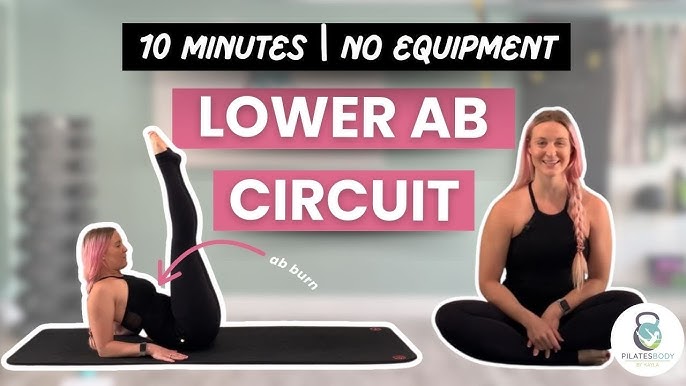
This high-efficiency circuit is precision-engineered to target the lower rectus abdominis and associated core stabilizers. It utilizes a metabolic conditioning protocol to maximize muscle engagement and caloric expenditure within a condensed timeframe.
Workout Protocol
- Work Interval: 45 seconds per exercise
- Rest Interval: 15 seconds of active recovery/transition between exercises
- Total Circuit Time: 6 minutes
- Recommended Structure: To complete a full 10-minute session, precede this circuit with a 2-minute dynamic warm-up (e.g., cat-cow stretches, bird-dog, standing torso twists) and conclude with a 2-minute cool-down (e.g., cobra stretch, child’s pose).
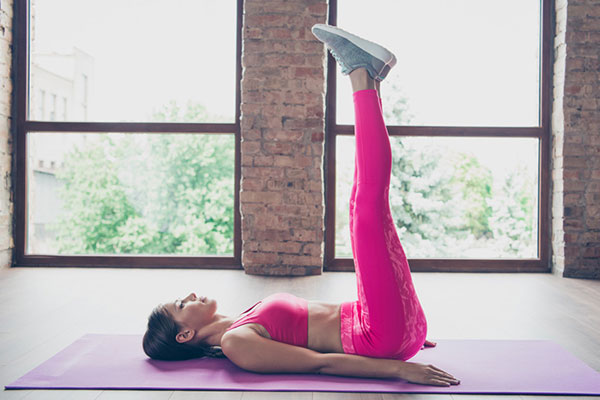
1. Leg Raises
Primary Muscle Group:
Rectus Abdominis (with emphasis on the lower fibers), Hip Flexors.
Execution:
- Assume a supine position on a mat with your legs fully extended.
- Place your hands palms-down underneath your glutes or lower back for lumbar support. This helps maintain a neutral spine.
- Engage your core by drawing your navel toward your spine. Exhale and slowly elevate your legs until they are perpendicular to the floor (90° angle). Maintain a slight bend in the knees if you have tight hamstrings.
- Inhale as you control the eccentric phase, lowering your legs back toward the floor without allowing them to touch.
Key Cues:
- Ensure your lower back remains in contact with the mat throughout the movement to prevent spinal hyperextension.
- The motion must be deliberate and controlled. Avoid using momentum; the abdominals should generate the force.
2. Reverse Crunches
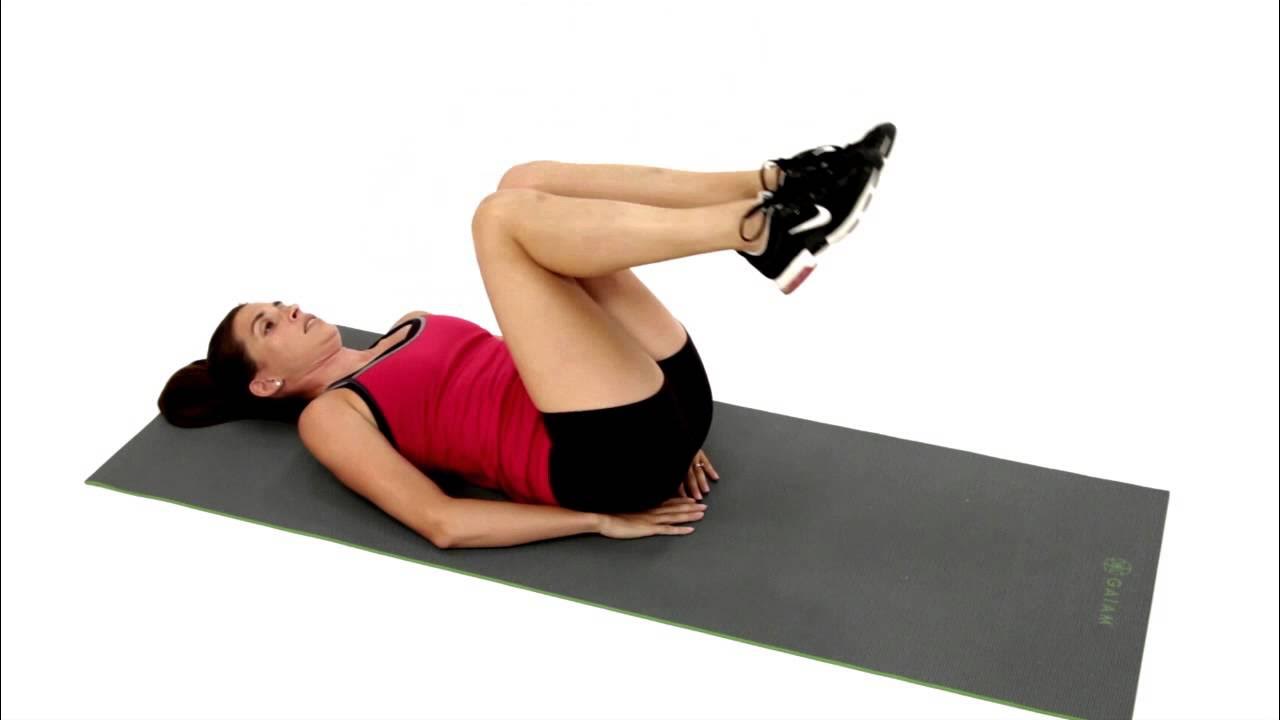
Primary Muscle Group:
Rectus Abdominis, Transverse Abdominis, Obliques.
Execution:
- Lie supine with your hands by your sides, palms down.
- Bend your knees to a 90° angle and lift your feet from the floor, so your shins are parallel to it.
- Exhale and contract your lower abdominals to initiate a pelvic tilt, pulling your knees toward your chest and lifting your hips slightly off the mat.
- Inhale and slowly return your hips and legs to the starting position with control.
Key Cues:
- Focus on curling your pelvis up off the floor rather than swinging your legs. The range of motion is small but highly effective.
- Press your hands lightly into the floor for stability, but do not use them to generate lift.
3. Flutter Kicks

Primary Muscle Group:
Rectus Abdominis, Hip Flexors, Transverse Abdominis (for stabilization).
Execution:
- From a supine position with hands under your glutes for support, engage your core and lift your heels approximately 6-8 inches off the floor.
- Optionally, you can lift your head and shoulders slightly to increase upper abdominal engagement.
- Keeping both legs straight, initiate small, rapid, alternating vertical kicks from the hip.
Key Cues:
- Maintain constant tension in your core. If you feel your lower back arching, reduce the range of motion or raise your legs higher.
- Breathing should be steady and controlled, not held.
4. Scissor Kicks (Criss-Cross)
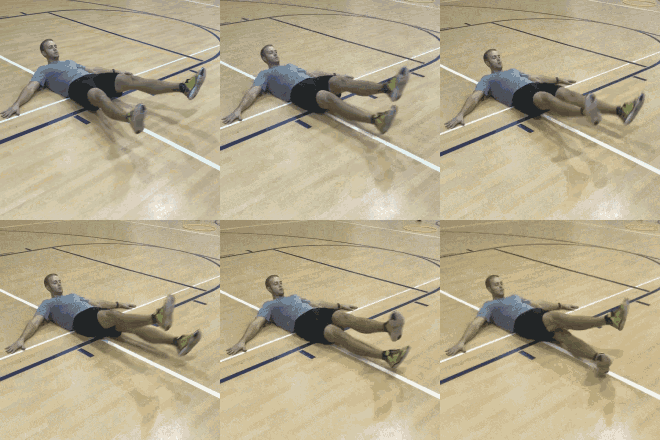
Primary Muscle Group:
Rectus Abdominis, Hip Flexors, Hip Adductors and Abductors.
Execution:
- Assume the same starting position as Flutter Kicks (supine, hands for support, legs elevated).
- Initiate the movement by crossing one leg over the other in the horizontal plane, creating a “scissoring” motion.
- Alternate which leg crosses on top for each repetition.
Key Cues:
- The difficulty is inversely proportional to the height of your legs—the lower they are, the greater the challenge to your core.
- Widen the horizontal range of motion to increase engagement of the inner and outer thigh muscles (adductors and abductors).
5. Mountain Climbers (Slow)
Primary Muscle Group:
Full Core (Rectus Abdominis, Obliques, Transverse Abdominis), Deltoids, Hip Flexors.
Execution:
- Begin in a high plank position (top of a push-up), with your hands directly under your shoulders and your body forming a straight line from head to heels.
- Brace your core to stabilize your spine. Slowly draw your right knee toward your chest without letting your hips sag or rise.
- Return the right leg to the starting plank position with control.
- Repeat the movement with your left knee. The slow tempo is key for maximizing core engagement.
Key Cues:
- This is an anti-rotation exercise. The primary goal is to keep the pelvis and spine perfectly stable and neutral throughout the movement.
- Maintain a posterior pelvic tilt (tucking your tailbone slightly) to ensure the abdominals are firing correctly.
6. Plank Hip Dips

Primary Muscle Group:
Internal and External Obliques, Transverse Abdominis.
Execution:
- Assume a forearm plank position, with elbows directly beneath your shoulders and your body in a straight line. Clasp your hands if it aids stability.
- Engage your core. Slowly rotate your hips to the right, dipping them until they almost touch the mat.
- Return to the center with control, then immediately repeat the motion on the left side.
Key Cues:
- The rotation should originate from your core and hips, not your shoulders. Keep your upper body as stable as possible.
- Focus on squeezing your obliques (the muscles on the sides of your stomach) at the lowest point of the dip.
Conclusion: Maximizing Your Results
Consistency is the cornerstone of any successful fitness regimen. Performing this circuit 3-4 times per week will yield significant improvements in core strength and definition. However, prioritize quality of movement over quantity. A controlled, mindful repetition where you feel the target muscles engage is far more valuable than a dozen rushed, improper ones. Focus on the mind-muscle connection with every contraction.
Remember that a sculpted core is built both in the gym and in the kitchen. This workout is a powerful tool, but its effects are amplified when combined with a balanced nutritional plan, adequate hydration, and sufficient rest for muscle recovery. You cannot out-train a poor diet; proper nutrition is essential for revealing the abdominal muscles you work so hard to strengthen.
Always listen to your body. If you feel sharp pain, stop and reassess your form. Modify exercises as needed to suit your current fitness level. Embrace the challenge, stay consistent, and you will be well on your way to achieving your core strength goals.