Exercise Guide
Walking is a great way to start the day. Even a short stroll can enhance your mood and benefit your bod.
Bonus: If you make it a habit, walking eventually decreases your risk of severe health concerns like strokes or heart attacks.
Benefits at a Glance
Here are the top reasons to add a morning walk to your routine:
- Better sleep
- Improved circulation
- Easy on the joints
- Strengthened muscles
- Boosted mood
- Increased energy
- Healthier daily choices
- Weight loss support
- Manage health conditions
Keep reading for the details on each, plus tips on how to add walking to your morning routine.

How Morning Walks Improve Your Physical Health
Morning walks can have a profound positive impact on your body. Here’s a detailed overview of the physical benefits.
1 – You’ll Sleep Better

Walking in the morning might help you get a better night’s sleep. In one small study, researchers observed adults ages 55 to 65 who lived with mild insomnia or had difficulty falling asleep. The participants who worked out in the morning had better sleep quality than those who worked out in the evening.
FYI: We need more studies to show if working out in the morning is *better* for sleep than working out at night. But we know that aerobic exercise can stimulate the brain and keep you awake. So try not to go too hard on the treadmill 2 hours before bedtime.
2 – You’ll Have Better Circulation
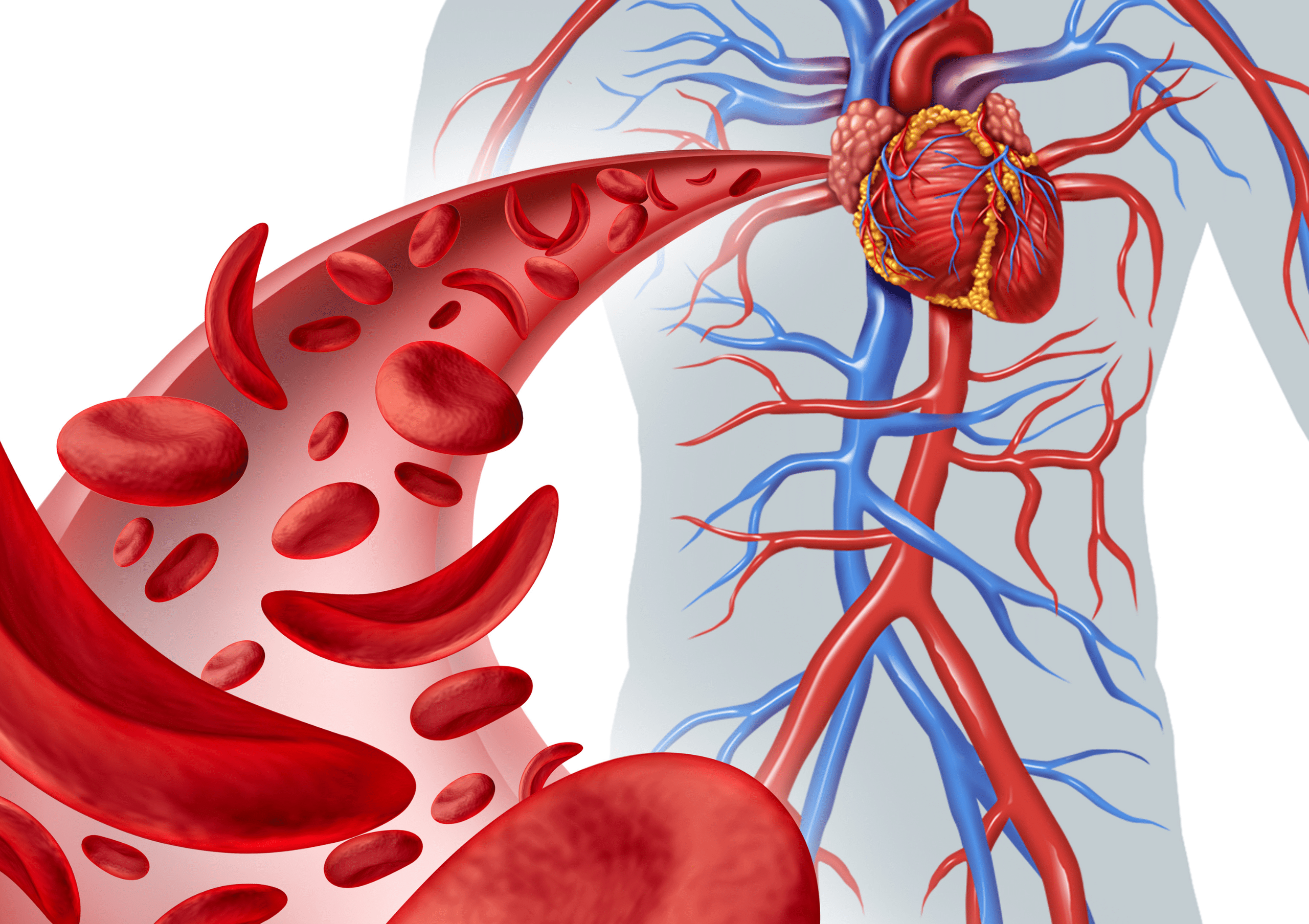
Your heart rate goes up when you walk. This lowers blood pressure, improves heart health, and decreases stroke risk. Even 20 or 30 minutes a day can make a big difference! Walking also helps with the promotion of new blood vessels. In some cases, this can increase muscle contraction in the legs and reduce pain.
3 – It’s Easy on the Joints

Walking is a fantastic low-impact activity. It helps keep your joints flexible and your bones healthy by gently lubricating the joints and strengthening the muscles around them. This makes it an excellent workout for folks with arthritis or joint pain.
Another perk? You get to pick your own pace. If your joints start hurting, you can always slow down or walk on a more supportive terrain (like a track or grass instead of concrete).
4 – It Strengthens Muscles

You don’t have to spend hours in a gym to get gains. Walking is a great way to increase muscle definition and strength, especially in your leg muscles (quads, hamstrings, glutes, and calves). For the best results, walk briskly at an incline. You can also incorporate other strengthening exercises *during* your morning walk. For example, stop walking every 5 minutes to do some lunges, squats, or push-ups.
5 – It’ll Bump Up Your Energy
Starting your morning with a walk may give you more energy throughout the day. One study of 18 sleep-deprived people found that 10 minutes of stair walking boosted energy more than a cup of coffee. BTW, you might reap even *more* benefits if you take a morning walk in nature. In one older study, researchers found participants who walked for 20 minutes outside experienced more energy and vitality than those who walked inside.
6 – You Might Make Healthier Choices

When you work out first thing in the morning, you might feel more inspired to make healthier choices during the day. This can come from the energy boost a morning walk gives you. It may also be because walking improves your mood and motivates you to continue that “healthy” feeling.
PSA: One healthy choice is to remember to drink lots of water before and after each sweat sesh. Even light morning walks can make you work up a sweat, especially if you’re strolling outside in the summer.
7 – It Can Promote Weight Loss
Walking is a great way to burn calories. That’s a major benefit for those who want to lose weight. The exact number of calories torched will depend on your body, pace, and terrain, but walking at a moderate pace for 30 minutes typically burns around 150 calories. Of course, walking is not the only path to weight loss. If your goal is to drop some lbs, you’ll get better results if you pair your morning walks with a nutrient-dense diet and other physical activities.
8 – It’ll Help You Manage Health Conditions

Walking can be amazing for your overall health. It can even boost immunity. Morning walks may also help you prevent and manage various health concerns. For instance, research shows that walking for 30 minutes daily can reduce your risk for heart disease by 19%. It can also help lower blood sugar levels in those who have diabetes. While walking is not a cure-all, regular morning walks can decrease your risk of certain cancers and cardiovascular diseases.
How Morning Walks Improve Your Mental Health
Morning walks aren’t just good for your body—they’re also amazing for your mind. Exercise boosts happy chemicals (aka, endorphins) in your brain. That means taking morning walks on the reg can help manage your mood.
Specifically, morning walks may help:
- Reduce stress
- Reduce anxiety
- Reduce fatigue
- Increase confidence and self-esteem
- Ease the symptoms of depression
Additionally, morning walks can help improve mental clarity and your ability to focus. One study found that people who started their days with a morning walk had improved cognitive function compared to sedentary participants. Research also shows that walking boosts creativity and encourages a free flow of ideas. This can help you solve problems better than if you’re sitting in place.
How to Start Your Morning Walk Habit

Knowing the benefits is one thing; getting out of a warm bed is another. Here are practical tips to make it a habit:
- Start Small: Don’t commit to an hour-long walk on day one. Start with just 10 or 15 minutes. The consistency is more important than the duration at first.
- Prepare the Night Before: Lay out your walking clothes, shoes, socks, and headphones the night before. This removes one major barrier (and excuse!) in the morning.
- Hydrate Immediately: Put a glass of water by your bed and drink it as soon as your alarm goes off. This helps wake up your body and brain.
- Make it Enjoyable: Listen to your favorite podcast, an audiobook, or an energizing music playlist. Or, convince a friend or partner to join you.
- Stay Safe: If it’s dark, wear reflective gear and stick to well-lit areas. Always be aware of your surroundings.
Tips for a Great Morning Walk
You don’t have to speed-walk up a mountain to reap the many benefits. In fact, one of the best perks of walking is that it’s so dang customizable. Play around with terrain, elevation, and treadmill settings to find the perfect mix for your unique needs and goals.
- Aim for a Brisk Pace: Generally, aiming for a brisk pace will help you bump up your heart rate and maximize the perks. A “brisk walking pace” is considered 3 to 3.5 miles per hour (about 100 steps per minute). Of course, every body is different, and a slower pace is better than skipping the walk altogether!
- Dress for the Occasion: Obvi, you have more leeway if you’re walking indoors. But for outdoor walkers, dress in layers in the winter and wear breathable, cool clothing in the summer.
- Don’t Forget Sunscreen: Finally, don’t forget your sunscreen, even on cloudy or rainy days! Gotta keep that skin protected.