Exercise Guide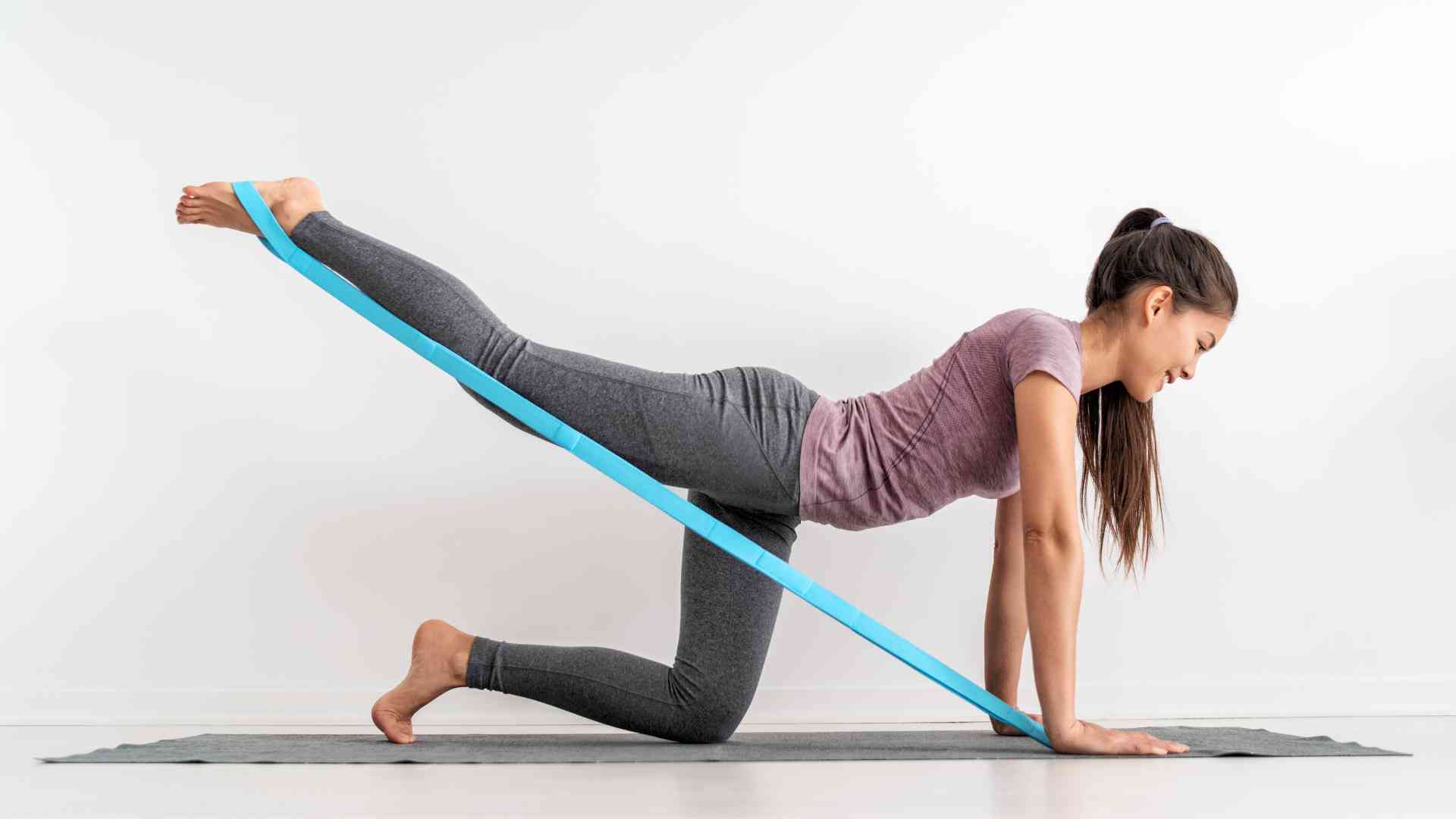
While compound movements like squats and deadlifts are fundamental for building overall strength, **Glute Kickbacks** stand out as one of the most effective isolation exercises for targeting the gluteal complex. This exercise allows for a specific focus on hip extension and gluteal contraction through a controlled range of motion (ROM), leading to enhanced muscle density and shape.
This comprehensive guide explores the biomechanics, detailed execution protocols for various formats (bodyweight, cable, banded, machine), and the significant functional benefits of incorporating glute kickbacks into your lower body routine.
🔬 Understanding the Gluteal Complex
The glutes are the largest and strongest muscle group in the body, primarily responsible for hip extension, hip rotation, and pelvic stabilization. They consist of three major muscles:
- **Gluteus Maximus:** The largest muscle, responsible for powerful hip extension (e.g., standing up, climbing stairs). This is the primary target of the kickback.
- **Gluteus Medius:** Located on the side of the hip, crucial for hip abduction and stabilizing the pelvis during walking and running (unilateral movements).
- **Gluteus Minimus:** The smallest muscle, assisting the Medius in hip abduction and stabilization.
Glute kickbacks are specifically designed to maximize the contraction of the **Gluteus Maximus** by isolating the hip extension movement and minimizing the recruitment of the hamstrings and lower back.
🏋️ Protocol I: Bodyweight Glute Kickback (Foundational Movement)
:extract_cover():upscale()/2023/10/06/802/n/1922729/7ec62e0165204eb649ac25.81329550_PS23_Fitness.jpg)
The bodyweight kickback is the essential starting point for mastering the mind-muscle connection and preventing lumbar hyperextension.
Execution Steps:
- **Setup:** Start on all fours (quadruped position). Ensure your hands are directly under your shoulders and your knees are directly under your hips. Flex your feet.
- **Spinal Neutrality:** Engage your core intensely (imagine bracing for a punch). Perform a slight **posterior pelvic tilt** (tuck the pelvis slightly) to flatten the lower back and prevent arching (lumbar lordosis).
- **Extension Phase:** Keeping the core tight and the knee bent at 90 degrees, slowly extend your left leg directly behind you, driving the heel toward the ceiling.
- **Peak Contraction:** Lift only until the thigh is parallel with the ground, or just before your lower back begins to arch. Squeeze the left glute hard and hold this peak position for 1–2 seconds.
- **Return:** Slowly and under control, return the knee to the starting position without allowing it to touch the floor before the next repetition.
Programming: 2–3 sets of 15–20 slow, controlled repetitions per leg.
⚙️ Protocol II: Machine and Cable Variations (Maximum Resistance)
Once bodyweight mastery is achieved, external resistance is necessary for continued strength and muscle growth (hypertrophy).
1. Cable Glute Kickbacks (Optimal Isolation)
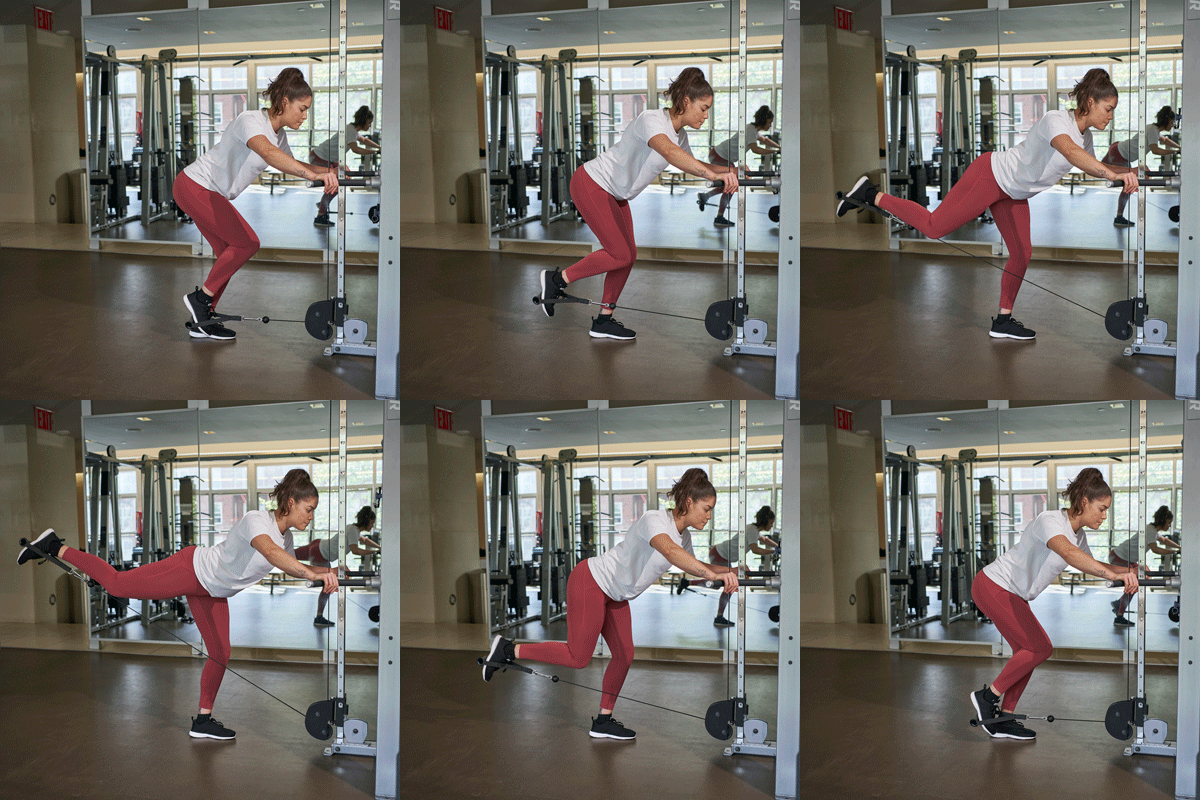
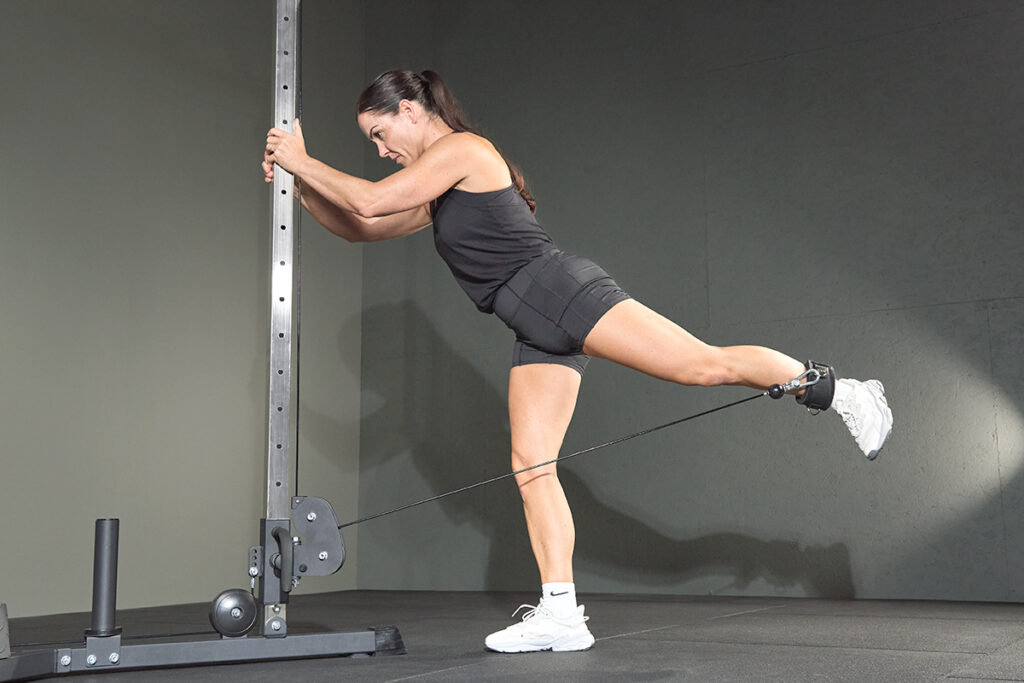
Using the cable machine is arguably the most effective variation because it provides consistent tension throughout the entire range of motion, unlike free weights.
Execution Steps:
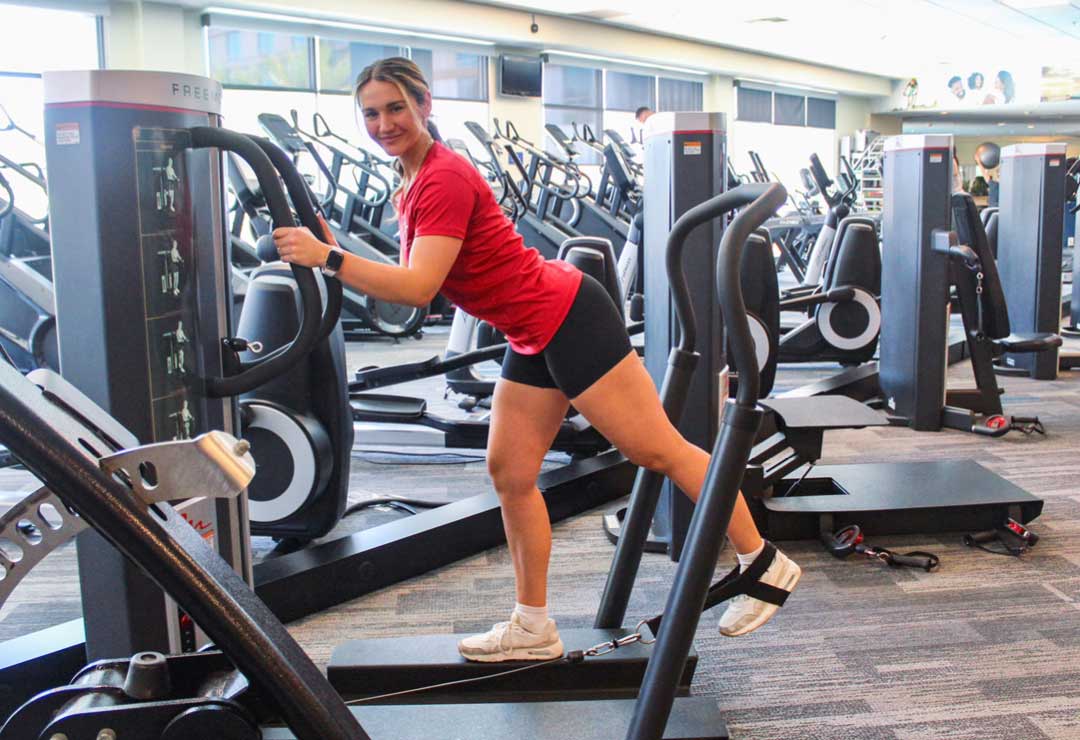
- **Setup:** Attach an ankle strap to the cable pulley set at the lowest position. Attach the strap around your working ankle (e.g., right).
- **Stance:** Stand facing the machine, holding the frame for support. Hinge slightly forward at the hips (about 15–30 degrees), maintaining a straight back and engaged core. Slightly bend the non-working knee (left).
- **Extension Phase:** Keeping the right leg straight (or slightly bent, depending on your goal), push the leg backward and slightly upward. Focus on driving from the heel.
- **Peak Contraction:** Extend the hip as far as comfortable without allowing the pelvis to rotate or the lower back to arch. Squeeze the glute forcefully.
- **Controlled Return:** Slowly return the leg to the starting position, resisting the pull of the cable. Do not let the weight stack touch down between reps to maintain constant tension.
Programming: 3 sets of 10–15 repetitions per leg. Adjust weight to achieve muscle failure near the end of the rep range.
2. Glute Kickback Machine (Fixed Path)

While convenient for adding heavy load, ensure the machine’s pivot point aligns correctly with your hip joint to prevent awkward movement or joint strain.
Execution Steps:
- **Adjustment:** Adjust the machine’s platform height so that the knee is comfortable and the footplate aligns with your heel. Place forearms on the padding and grip the handles.
- **Body Position:** Rest your knees forward on the padding. Flatten your lower back by engaging your core and squeezing your glutes slightly.
- **Push:** Push the footplate backward and upward using your **heel**, maintaining the 90-degree angle in the knee.
- **Focus:** Push until the thigh is roughly parallel to the ground. Hold and squeeze the target glute (Gluteus Maximus).
- **Return:** Slowly control the return to the starting position.
3. Banded Glute Kickbacks (Constant Tension)

Using a looped resistance band is a versatile, low-impact option that provides accommodating resistance—tension increases as the muscle shortens.
Execution Steps:
- **Setup:** Loop a mini resistance band around the middle of your left foot and just above your right knee. Assume the all-fours position.
- **Push:** Pushing back with your left foot, drive through the heel. Keep the toe pointing down to minimize external rotation (which shifts focus to the side glutes).
- **Hold and Control:** Hold the contracted position for 1–2 seconds against the maximum band resistance. Lower the leg slowly without allowing the knee to touch the ground.
Programming: 3 sets of 15–20 high-rep, high-tension repetitions per leg.
📈 Key Benefits of Isolated Glute Training
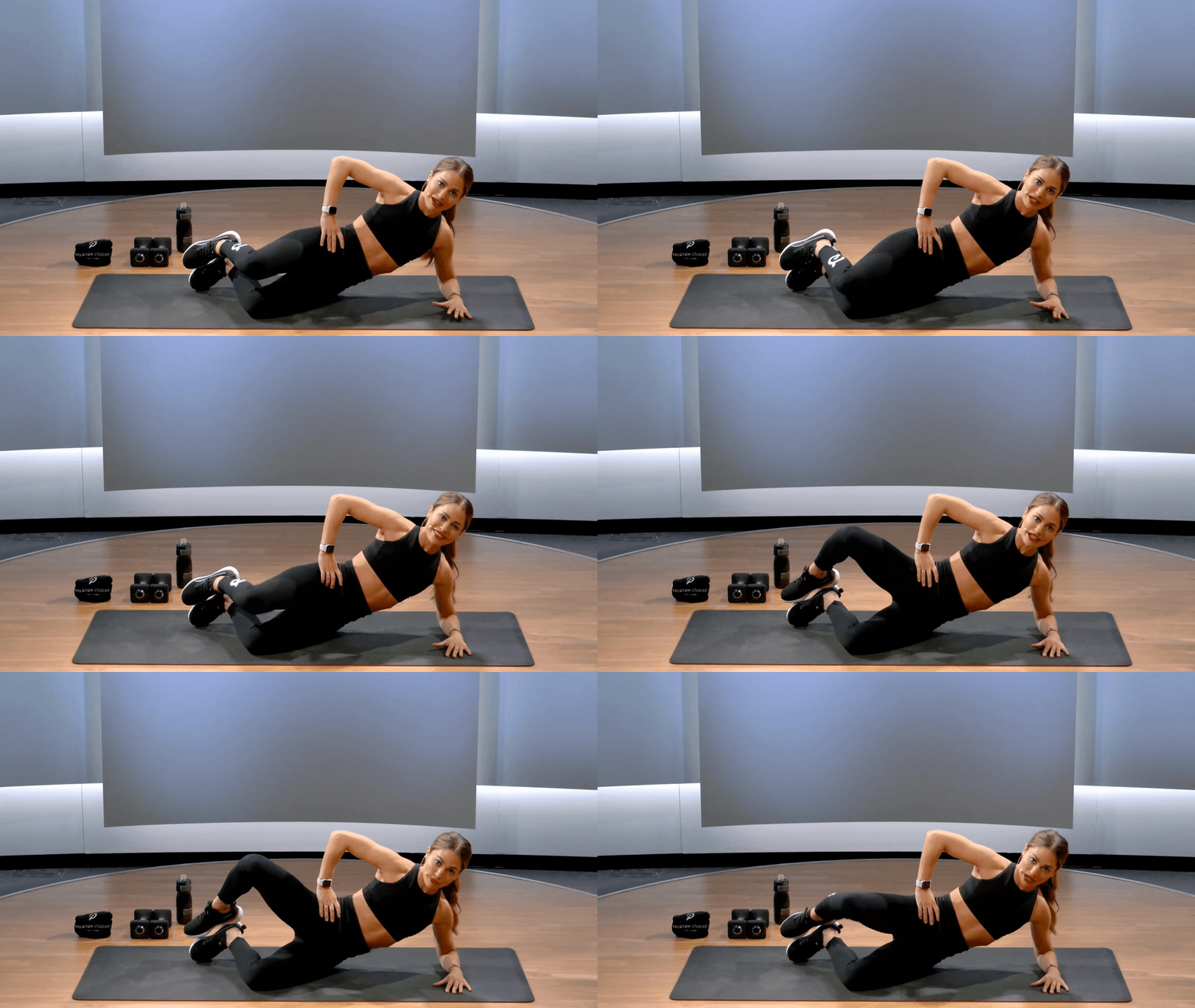
Glute kickbacks offer benefits that extend beyond aesthetics, playing a crucial role in injury prevention and athletic performance.
- **Maximal Gluteal Isolation:** Unlike squats and deadlifts where hamstrings and lower back muscles often compensate, kickbacks effectively isolate the Gluteus Maximus, leading to greater muscle fiber recruitment and hypertrophy specific to the glutes.
- **Enhanced Performance (Activation):** Performing light-to-moderate glute kickbacks before major compound lifts (like squats or deadlifts) serves as an excellent **glute activation** drill. This ensures the glutes are firing optimally, maximizing their contribution to the lift.
- **Improved Balance and Stability (Unilateral Training):** By loading one leg at a time, kickbacks challenge the stabilizing muscles of the standing leg (Gluteus Medius/Minimus) and improve balance, reducing the risk of injuries and falls.
- **Lower Back Health:** Strengthening the glutes helps support the pelvis and stabilizes the lower back. Strong glutes can help compensate for weak core muscles, improving overall posture and mitigating lower back strain.
🔄 Effective Substitutes for Glute Kickbacks
If machines or bands are unavailable, or if you need to vary your routine, these bodyweight exercises offer similar benefits in terms of hip extension and glute isolation.
1. Glute Bridges (Hip Bridges)

An excellent foundational movement for hip extension, suitable for all fitness levels, with minimal pressure on the knees.
Focus: Gluteus Maximus and Hamstrings.
- Lie on your back, knees bent, feet flat on the floor, hips neutral.
- Squeeze your glutes and press your hips off the ground until your body forms a straight line from shoulders to knees.
- Hold the peak contraction for 2–3 seconds. Slowly lower down without resting your glutes on the floor.
Programming: 3 sets of 15–20 repetitions.
2. Donkey Kicks

A very similar movement to the bodyweight kickback, often performed with a focus on raising the heel directly toward the ceiling.
Focus: Gluteus Maximus and Medius.
- Start on all fours. Keep your back flat and the working knee bent at 90 degrees.
- Push the left heel toward the ceiling until just before your lower back begins to arch.
- Squeeze the glute strongly at the top. Slowly return to the start.
Programming: 3 sets of 15–20 repetitions per side.
3. Prone Reverse Leg Lift (Hyperextension Focus)
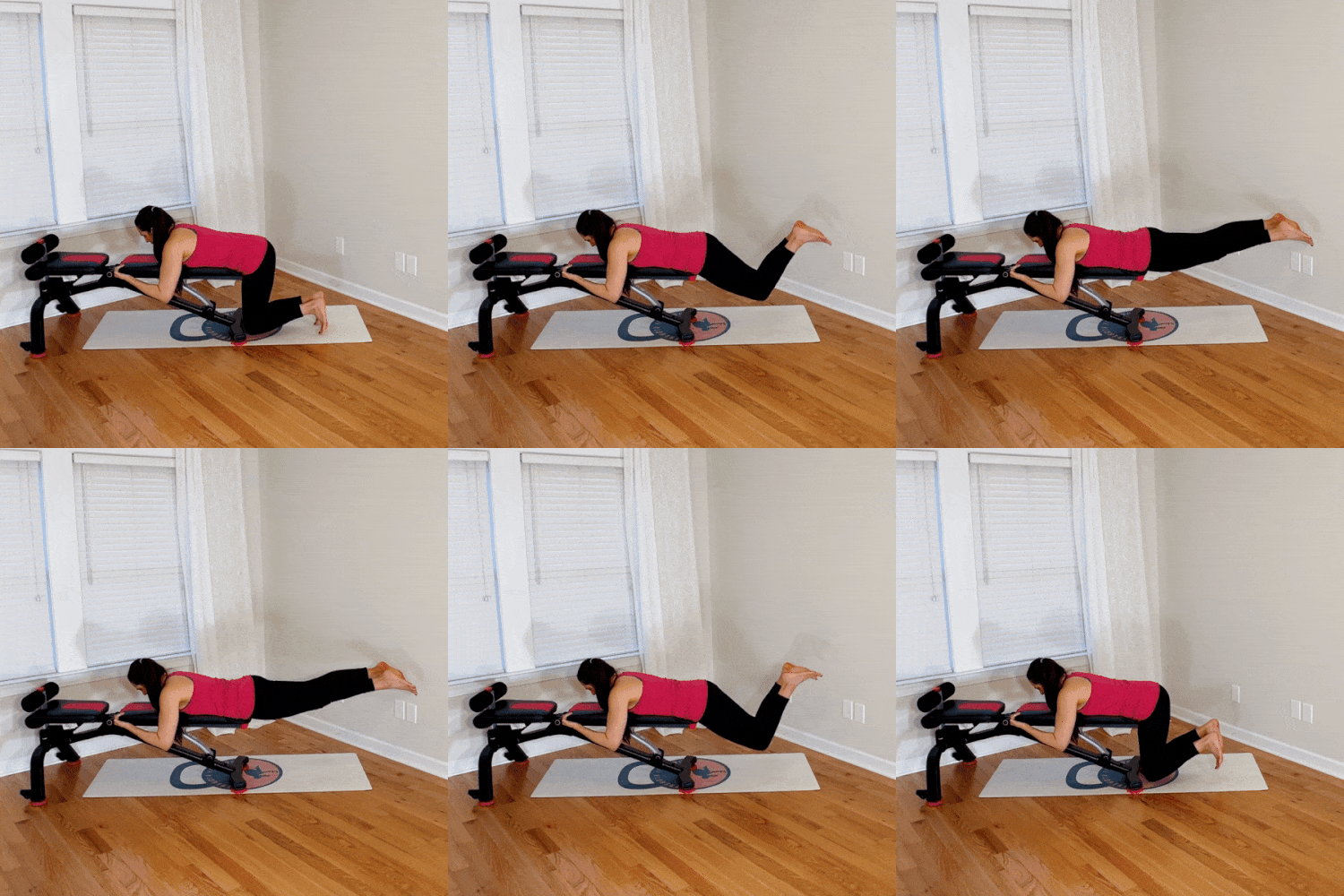
A simple isolation movement that focuses purely on hip extension while lying flat, useful for those who need to deload the upper body.
Focus: Gluteus Maximus and lower back extensors.
- Start face down on the floor, legs straight, hands under your forehead.
- Engage your core and contract your glutes to lift your right leg straight up into the air (keep the knee locked).
- Lift only a few inches—the range of motion is small. Hold for a moment, then slowly return.
Programming: 3 sets of 15–20 repetitions per side.
🔑 Takeaway: Mastering Glute Kickbacks
Glute kickbacks are an invaluable tool for building a strong, aesthetic, and functional posterior chain. The key to maximizing results, regardless of whether you use a cable, machine, or band, is to always prioritize **mind-muscle connection** and avoid using momentum or arching the lower back.
By consistently incorporating kickbacks into your routine, you directly target the Gluteus Maximus for hypertrophy, leading to improved strength, posture, and stability for all other athletic endeavors.