Exercise Guide
Persistent feelings of fatigue, irritability, and mental overwhelm—even without an acute trigger—often signal a **dysregulated Autonomic Nervous System (ANS)**. Chronic activation of the sympathetic (“fight-or-flight”) branch leads to sustained output from the Hypothalamic-Pituitary-Adrenal (HPA) axis, contributing to anxiety, insomnia, systemic inflammation, and digestive distress.
While therapy and lifestyle adjustments are paramount, nutrition provides readily accessible tools for modulating the neurobiological pathways of stress. Below are 10 foods, grounded in scientific literature, that promote nervous system calm by targeting key nutrients and the **Gut-Brain Axis**. The 10 Key Foods for Neurobiological Calm:
1. Spinach and Other Dark Leafy Greens

Key Nutrient & Mechanism: **Magnesium**. Acts as a critical cofactor in over 300 enzymatic reactions, notably supporting the function of **GABA receptors** (the primary inhibitory neurotransmitter). Low magnesium is associated with increased neuronal excitability and stress-related physiological responses.
**Practical Integration:** Incorporate 1–2 cups daily into morning smoothies (blending raw spinach minimizes oxidation) or lightly sauté kale or Swiss chard with healthy fats (olive oil).
2. Fatty Fish (Salmon, Mackerel, Sardines)
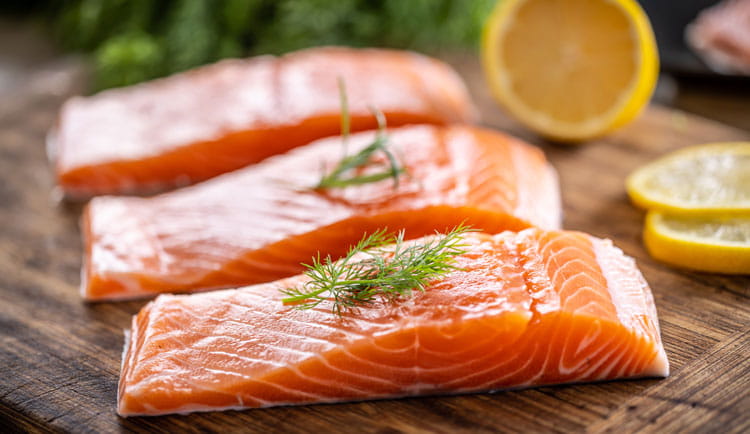
Key Nutrient & Mechanism: **Omega-3 Fatty Acids (EPA and DHA)**. These long-chain fats possess potent anti-inflammatory and neuroprotective properties. They are essential for maintaining neuronal membrane fluidity and modulating the HPA axis response to stress.
**Practical Integration:** Aim for two 3- to 4-ounce servings weekly (baked or grilled). **Plant-Based Alternative:** Combine walnuts and ground flaxseed to increase intake of Alpha-Linolenic Acid (ALA), the plant-based precursor.
3. Pumpkin Seeds

Key Nutrient & Mechanism: **Magnesium and Zinc**. Zinc is a neuromodulator that plays a crucial role in synaptic plasticity and supports GABAergic signaling. Deficiency can heighten stress reactivity and depress mood.
**Practical Integration:** Add a quarter-cup serving (approx. 30g) to oatmeal or salads. Soaking seeds overnight can optimize mineral bioavailability and absorption.
4. Chamomile Tea

Key Compound & Mechanism: **Apigenin**. This naturally occurring flavonoid exerts mild **anxiolytic** (anti-anxiety) and sedative effects by binding to benzodiazepine-sensitive sites on GABA-A receptors in the brain.
**Practical Integration:** Consume one hour before sleep for optimal relaxation support. Steep 1–2 tea bags for a minimum of 5 minutes to maximize apigenin extraction.
5. Fermented Foods (Kefir, Kimchi, Sauerkraut)
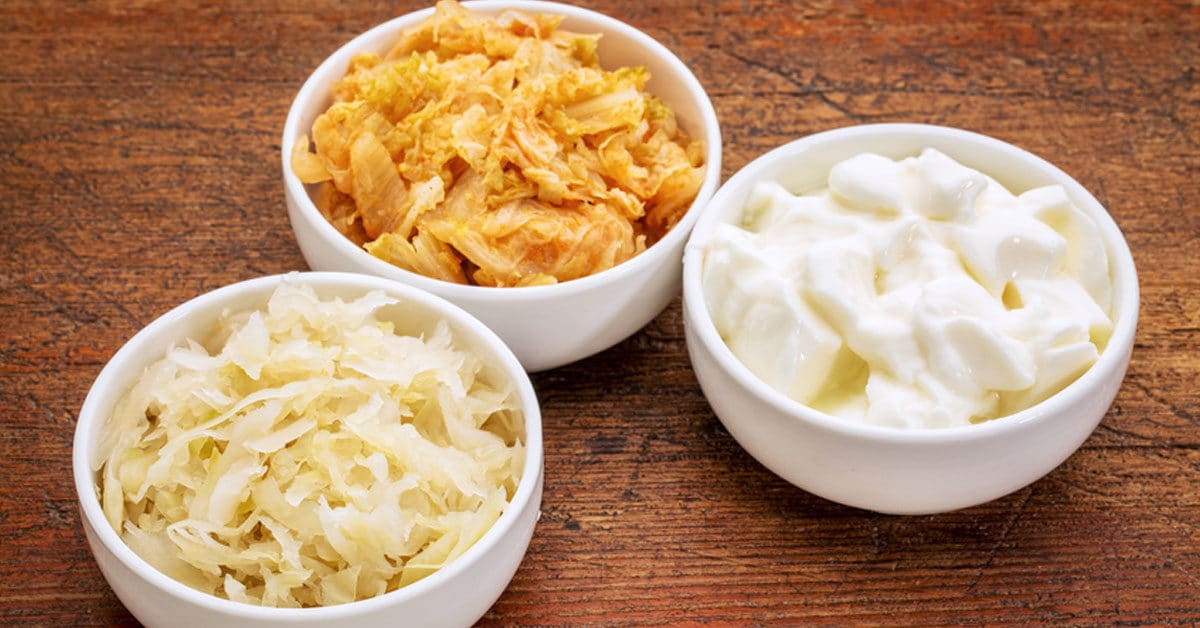
Key Compound & Mechanism: **Probiotic Strains**. These live cultures exert influence via the **Gut-Brain Axis**. They produce essential short-chain fatty acids (SCFAs, like butyrate) that maintain gut integrity and regulate systemic immune function, which in turn dampens HPA axis activity.
**Practical Integration:** Consume 30–60 grams daily of unpasteurized, refrigerated varieties (e.g., plain Kefir or high-quality Kimchi). Always verify the presence of “live and active cultures.”
6. Dark Chocolate (70% Cocoa or Higher)

Key Compound & Mechanism: **Flavonoids (Epicatechin)**. These antioxidants are noted for improving endothelial function and cerebral blood flow. The consumption of high-cocoa chocolate has been shown to modulate the body’s primary stress markers.
**Practical Integration:** Limit consumption to 20–30 grams per day (one to two small squares) to maximize flavonoid benefits while avoiding excessive sugar and calorie intake.
7. Oats (Rolled or Steel-Cut)
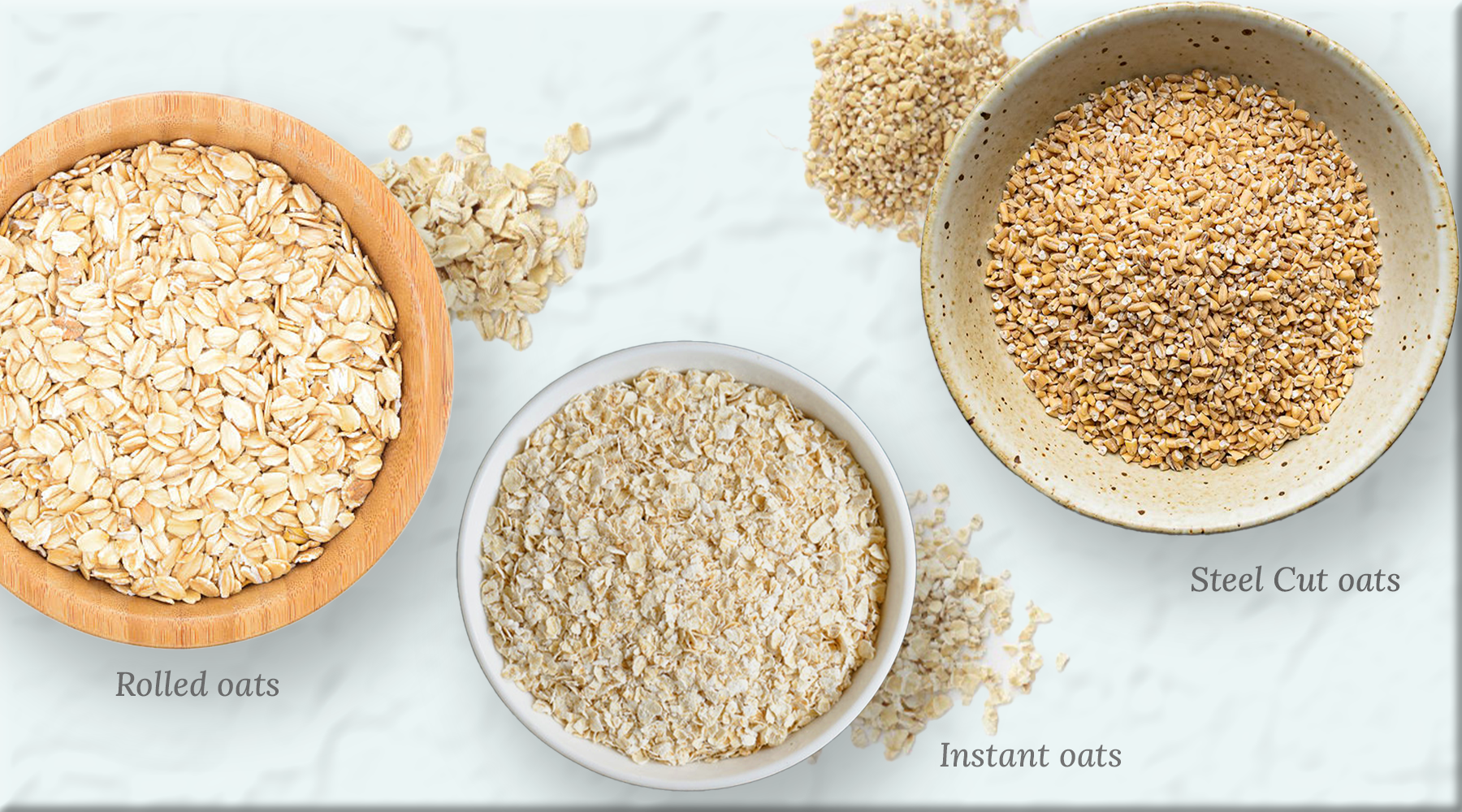
Key Nutrient & Mechanism: **Complex Carbohydrates and B Vitamins (B1/Thiamine, B6)**. The complex structure of oats ensures a gradual release of glucose, stabilizing blood sugar levels. This is vital, as fluctuations can trigger sympathetic adrenaline surges. B vitamins are crucial cofactors for nerve conduction and neurotransmitter synthesis.
**Practical Integration:** Prepare overnight oats with added fiber (chia seeds) and healthy fat (nuts) to further regulate blood glucose and support sustained energy.
8. Avocados
https://static.wixstatic.com/media/2e8078_70d06c0a04ce46849c1e60a4945dac75~mv2.png/v1/fill/w_480,h_360,al_c,q_85,usm_0.66_1.00_0.01,enc_avif,quality_auto/2e8078_70d06c0a04ce46849c1e60a4945dac75~mv2.png
Key Nutrient & Mechanism: **Monounsaturated Fats, Potassium, and Glutathione**. Monounsaturated fats support neuronal membrane fluidity. Potassium helps regulate nerve impulse transmission and counteracts sodium-induced vasoconstriction, supporting better **Heart Rate Variability (HRV)**—a marker of ANS flexibility.
**Practical Integration:** Slice onto whole-grain toast, blend into creamy salad dressings, or add to grain/protein bowls.
9. Green Tea

Key Compound & Mechanism: **L-Theanine**. This non-protein amino acid readily crosses the blood-brain barrier, directly increasing **alpha-wave activity**. Alpha waves are associated with a state of relaxed alertness, reducing subjective feelings of stress without inducing drowsiness.
**Practical Integration:** Consume 1–2 cups in the morning or early afternoon. Individuals sensitive to caffeine should avoid consumption after 2:00 PM (contains 25–35 mg caffeine per cup).
10. Bananas
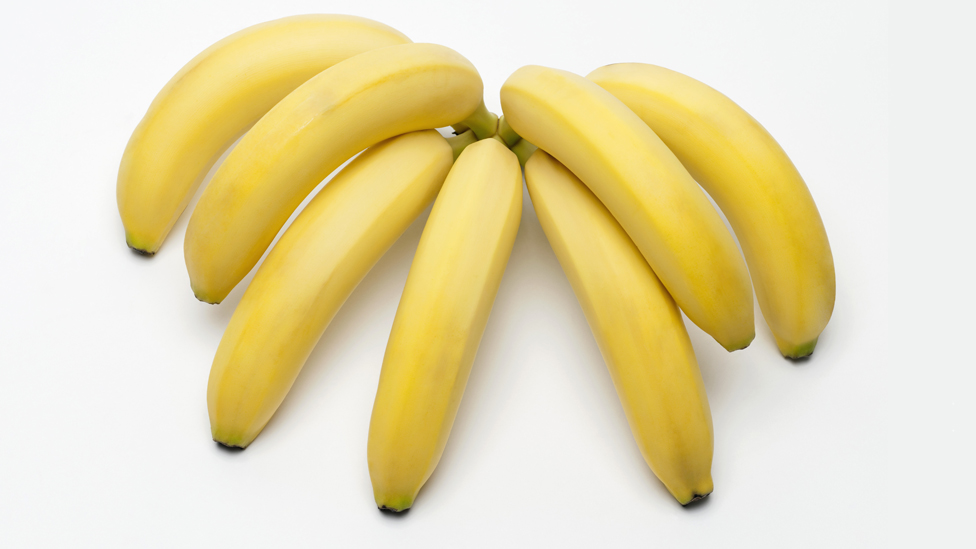
Key Nutrient & Mechanism: **Vitamin B6 and Potassium**. Vitamin B6 is essential as a cofactor in the conversion of tryptophan to serotonin (the “feel-good” neurotransmitter) and subsequently to melatonin (the sleep hormone). Potassium ensures efficient nerve impulse transmission.
**Practical Integration:** Consume a medium banana with a source of healthy fat (nut butter) as a balanced snack. Slightly underripe bananas provide higher resistant starch, which serves as a prebiotic, further supporting the Gut-Brain Axis.