Exercise Guide
The pursuit of a flatter, stronger stomach is driven by two simultaneous goals: **Caloric Expenditure** (to reduce body fat) and **Core Hypertrophy** (to define the underlying musculature). The truth is, “spot reduction” is a myth—no amount of crunches will melt fat from your midsection.
This routine bypasses endless, low-return crunches in favor of **high-intensity, compound core movements**. These exercises elevate your heart rate to accelerate fat loss while building superior functional strength across all three planes of the abdominal wall.
🧠 The Core Training Mandate: Intensity Meets Stability
This selection prioritizes movements that challenge the core’s functional roles: anti-extension, anti-rotation, and rotational power, ensuring comprehensive development of the entire muscular cylinder.
1. Mountain Climbers: The Full-Body Calorie Torch

Targets: **Entire Core**, Shoulders, Chest, Hip Flexors, Cardiovascular Endurance.
Why It Works: This is a high-intensity, dynamic movement that effectively blends cardio and strength training. By maintaining a plank position while dynamically moving the lower body, it maximizes metabolic demands, making it excellent for fat loss.
- Start in a high plank position (hands directly under shoulders, body in a straight line from head to heels).
- Keep the core braced and the hips low (anti-extension). Drive one knee toward your chest, then quickly switch legs as if running in place.
- Maintain a rhythmic pace without allowing your hips to pike or sag.
2. Russian Twists: Rotational Power and Oblique Definition
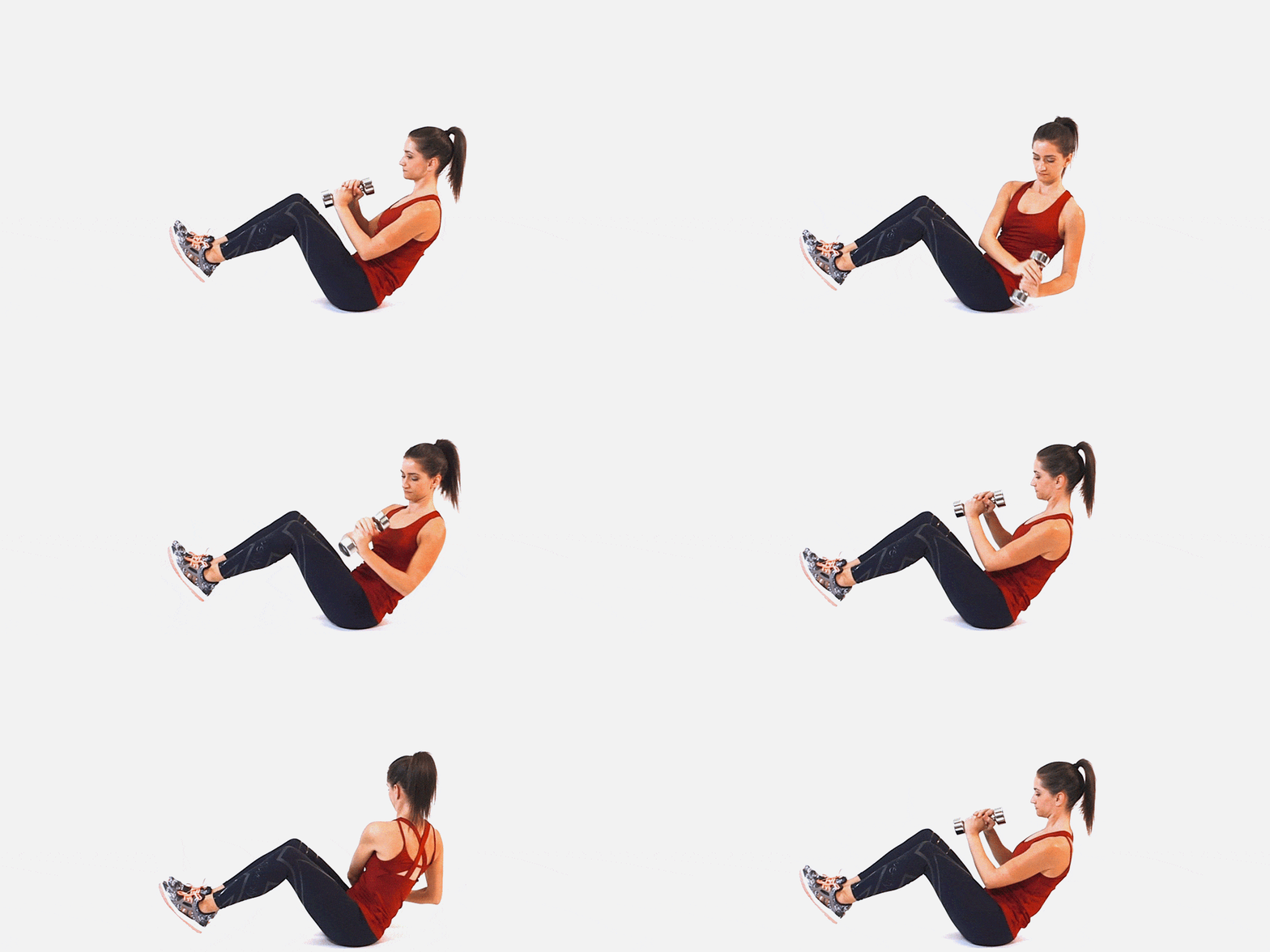
Targets: **Obliques (Internal/External)**, Transverse Abdominis, Hip Flexors.
Why It Works: Highly effective for building rotational strength and definition in the obliques. This movement enhances core-to-limb coordination, which is vital for athletic movements.
- Sit on the floor with knees bent. Lift your feet slightly off the ground (or cross them for stability). Lean back until you feel your core engage, maintaining a straight, neutral spine (avoid rounding).
- Hold a dumbbell, medicine ball, or simply clasp your hands together.
- Rotate your torso to the right, attempting to touch the object to the floor, then immediately reverse the motion to the left.
3. Side Plank with Reach-Through: Lateral Stability and Mobility
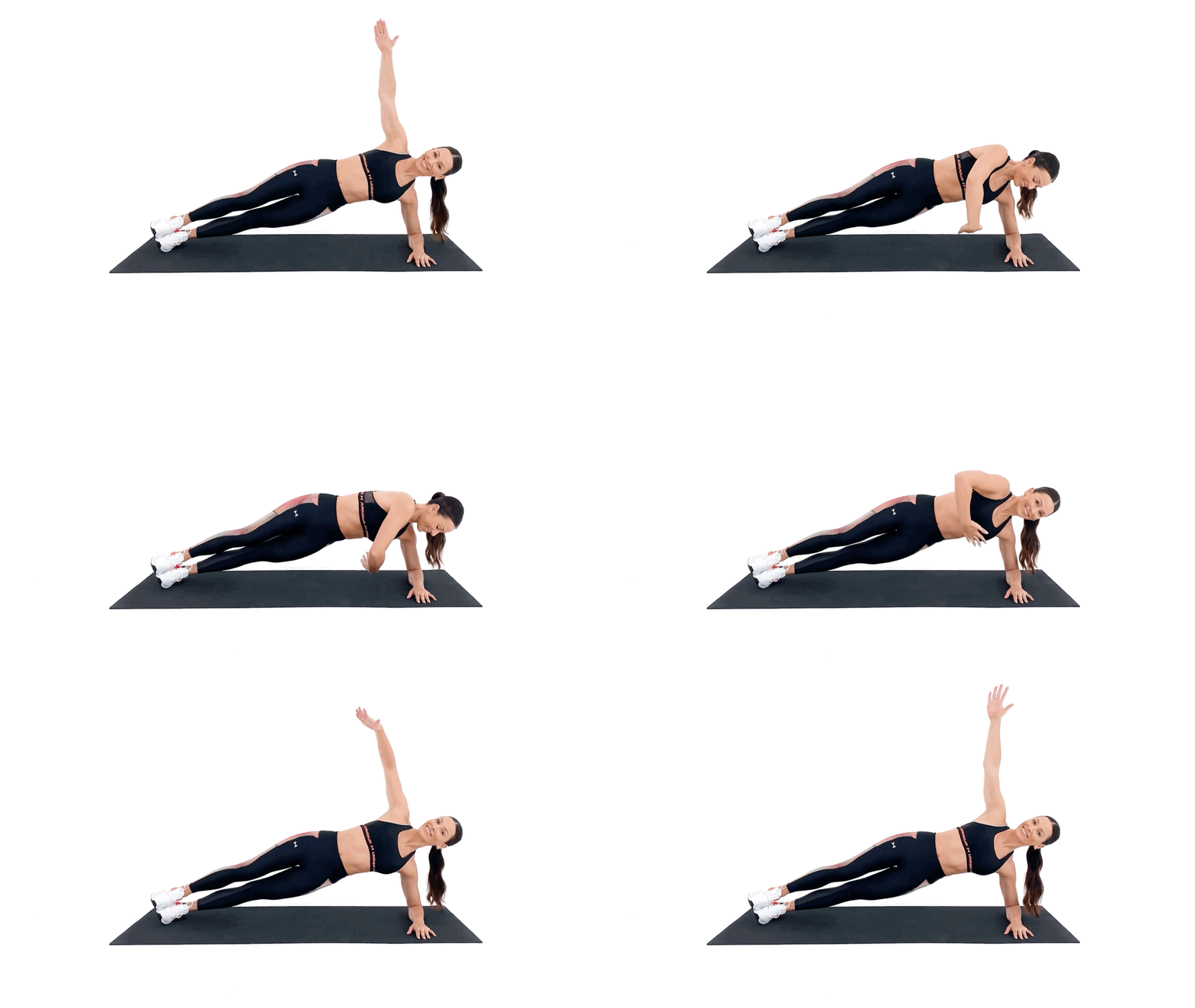
Targets: **Obliques (Lateral Chain)**, Shoulder Stability, Thoracic Mobility.
Why It Works: This advanced variation builds crucial **lateral core strength** (anti-lateral flexion), which stabilizes the spine during walking and running. The reach-through adds dynamic thoracic rotation, improving mobility.
- Start in a side plank position: elbow directly under the shoulder, feet stacked or staggered. Ensure the hips are lifted and the body forms a straight line.
- Extend your top arm straight up. Inhale.
- Exhale and reach your top arm under your torso, rotating your chest slightly downward. Open back to the starting position.
4. Plank Hip Drops: Anti-Rotation and Oblique Isolation
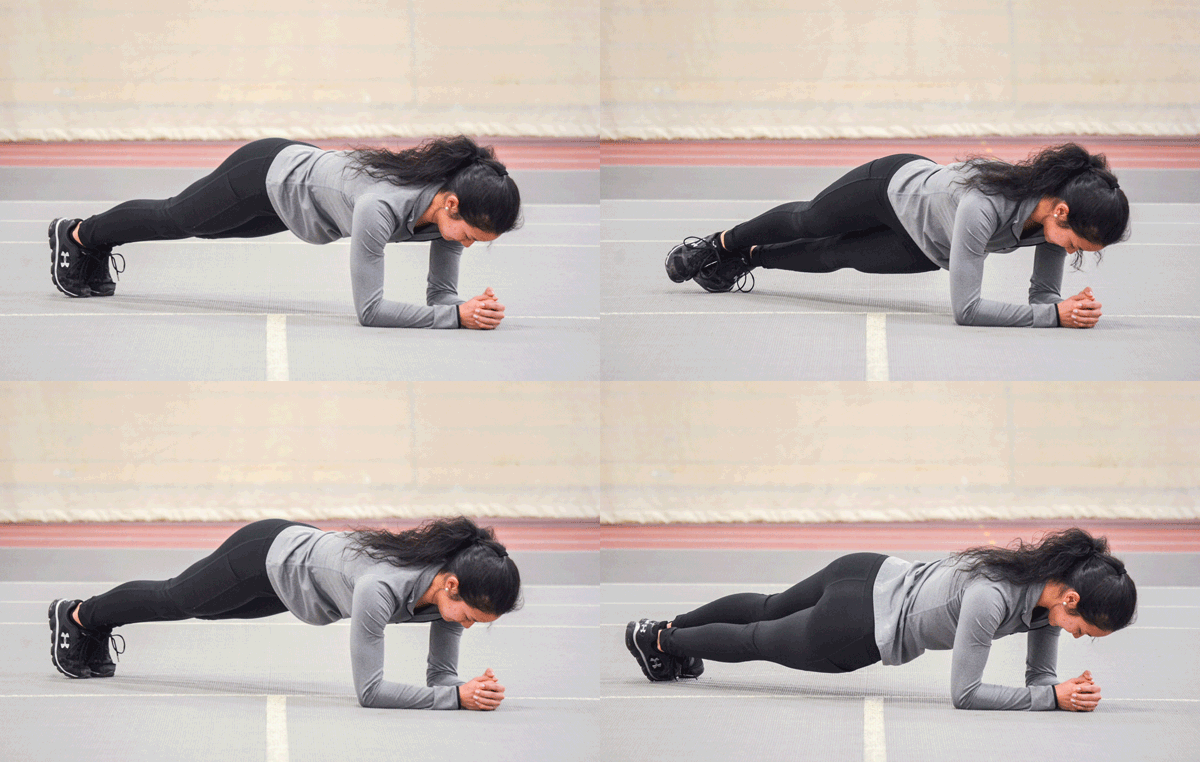
Targets: **Obliques**, Transverse Abdominis, Shoulder Stability (Anti-Rotation).
Why it Works: This plank modification maximizes oblique activation by challenging the core’s ability to stabilize the torso while rotating. It isolates the sides of the waistline without the strain of high-volume sit-ups.
- Begin in a forearm plank position (elbows under shoulders).
- Engage the core and slowly rotate your hips, lowering them toward the floor to gently tap the hip on one side.
- Return to the center, then drop to the opposite side.
- The movement should be controlled and fluid. Avoid lifting the hips too high in the middle.
5. Single Knee Raise Crunch (Cross-Body Crunch): Lower Ab Isolation

Targets: **Lower Rectus Abdominis**, Obliques, Neuromuscular Coordination.
Why It Works: This rotational crunch forces greater recruitment of the lower abdominal fibers while simultaneously engaging the obliques via the cross-body motion. It improves the body’s ability to coordinate upper and lower body flexion.
- Lie on your back, hands behind your head, elbows wide.
- Lift your right knee toward your chest.
- Simultaneously crunch up, bringing your left elbow toward the right knee.
- Lower back down with control, ensuring your lower back remains pressed into the floor to prevent strain. Alternate sides.
✅ Programming and Progression
Incorporate this routine 3–4 times per week, ideally as a finisher after your main strength training session. Focus on mastering the technique before increasing intensity.
- **Intensity Progression:** As the timed exercises (Mountain Climbers) become easier, increase the duration or use cross-body variations.
- **Resistance Progression:** For Russian Twists, Side Plank Reach-Throughs, and Single Knee Raises, hold a light dumbbell or medicine ball to increase the load for hypertrophy.
- **Consistency:** Remember, core visibility is directly proportional to reduced body fat. Use these exercises to strengthen the core while allowing your diet and cardio to drive the necessary **caloric expenditure**.