Exercise Guide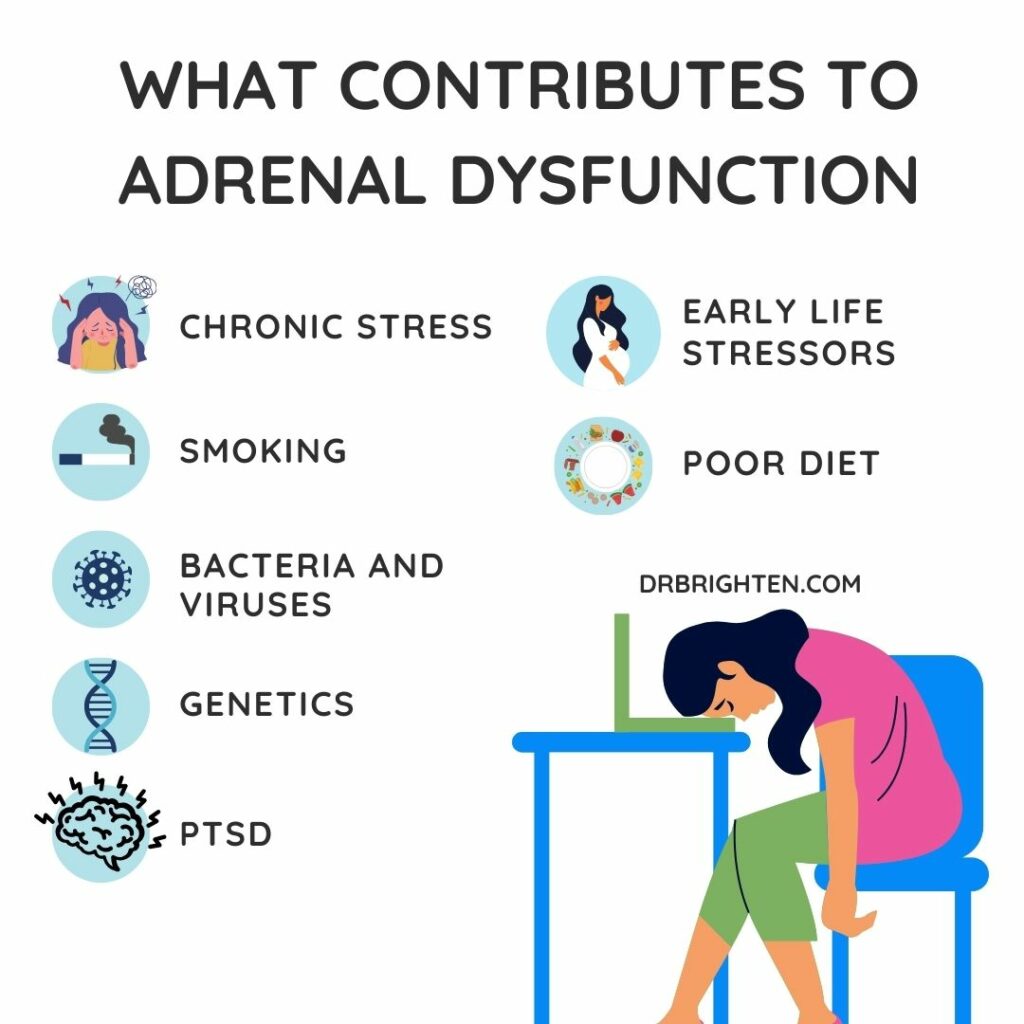
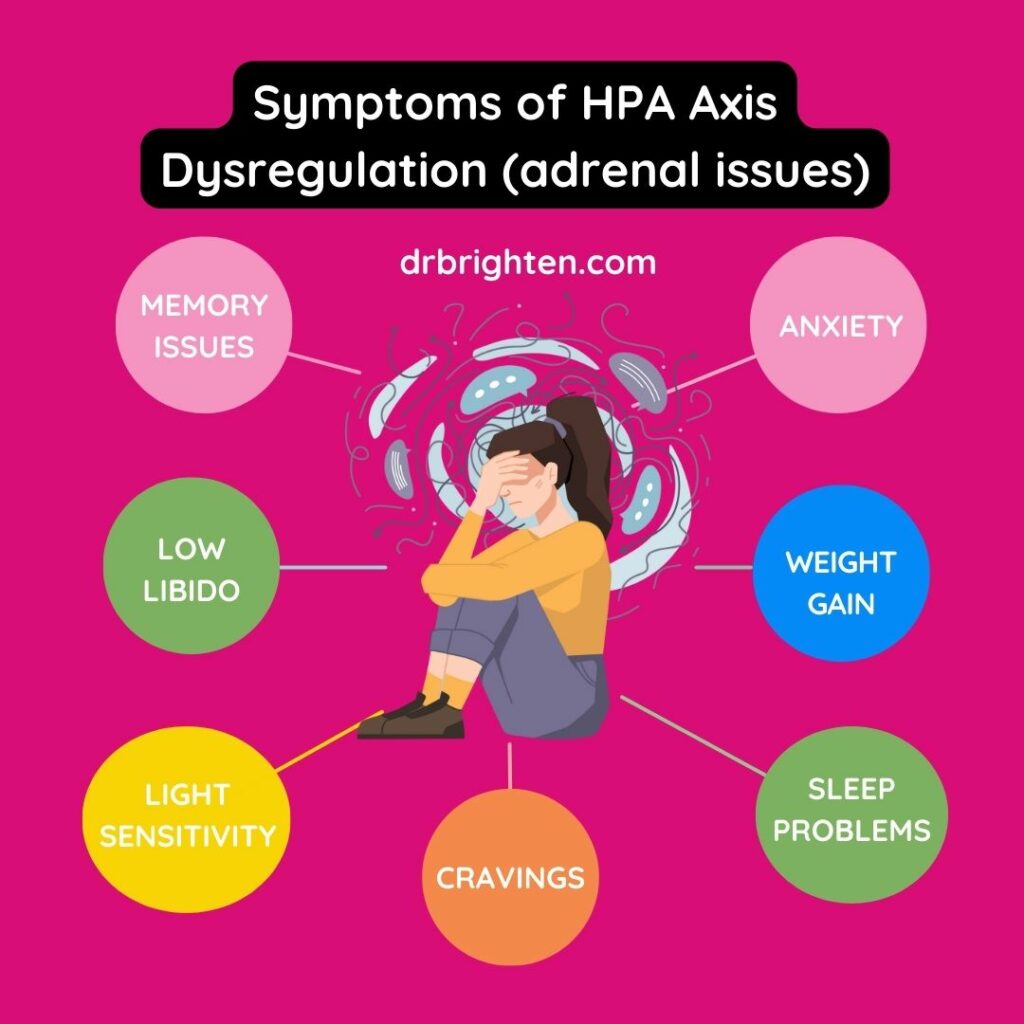
Cortisol, a primary glucocorticoid hormone, is essential for regulating the body’s metabolic processes, immune function, and stress response. It is released by the adrenal glands, primarily controlled by the **Hypothalamic-Pituitary-Adrenal (HPA) Axis**. When acute stress becomes chronic, the HPA axis remains hyperactive, leading to sustained, elevated levels of cortisol.
This chronic elevation ceases to be protective and begins to disrupt various homeostatic systems, resulting in symptoms that often mimic or mask other health issues. Recognizing these indicators is the first step toward restoring hormonal balance.
📈 10 Clinical Indicators of Chronic Cortisol Elevation
1. Persistent Fatigue That Sleep Doesn’t Fix

Underlying Mechanism: **Sleep Architecture Disruption.** Cortisol levels are naturally low in the evening to allow sleep. Chronically high levels, especially at night, suppress vital **REM** and **slow-wave sleep** (deep sleep), preventing cellular repair and cognitive restoration, creating a cycle of exhaustion.
2. Abdominal Weight Gain (Visceral Adiposity)
Underlying Mechanism: **Glucose Mobilization and Fat Redistribution.** Cortisol increases circulating glucose and stimulates the deposition of fat specifically in the abdominal region (visceral fat). This fat is highly metabolically active and directly linked to increased insulin resistance and cardiovascular risk.
3. Mood Disorders: Anxiety, Irritability, and Depression
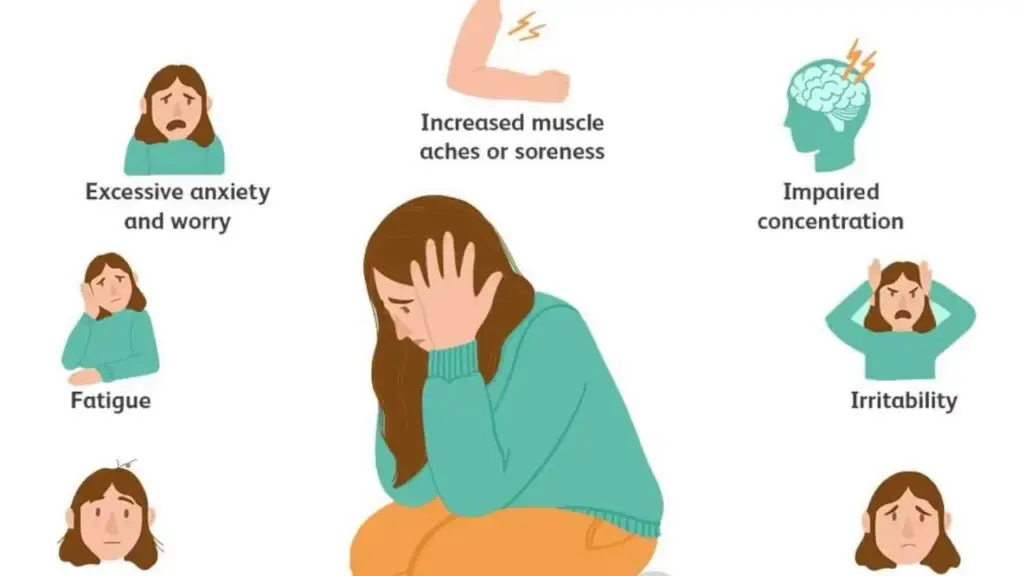
Underlying Mechanism: **Neurotransmitter and Brain Structure Impact.** High cortisol sensitizes the **Amygdala** (the brain’s fear center) and impairs the **Hippocampus** (memory/emotion regulation). It also lowers the activity of stabilizing neurotransmitters like serotonin and dopamine, increasing emotional reactivity and anxiety.
4. Insomnia or “Tired but Wired” Syndrome
Underlying Mechanism: **Disrupted Circadian Rhythm.** Elevated evening cortisol overrides the natural dip required for rest. This prolonged alertness suppresses the production of **melatonin**, fragmenting sleep and causing the characteristic feeling of mental restlessness despite physical exhaustion.
5. Frequent Illnesses and Slow Healing

Underlying Mechanism: **Immune Suppression.** While acute cortisol enhances initial immune response, chronic exposure down-regulates immune cell production and function. This leaves the body vulnerable to infections, prolongs recovery from illness, and impairs wound healing rates.
6. Digestive Distress: Bloating, IBS, or Leaky Gut
Underlying Mechanism: **Gut Permeability and Blood Flow Reduction.** Stress diverts blood flow away from the digestive tract and increases **intestinal permeability** (“leaky gut”). High cortisol fuels gut inflammation and dysbiosis, manifesting as chronic constipation, bloating, or Irritable Bowel Syndrome (IBS) symptoms.
7. Elevated Blood Pressure and Cardiovascular Strain
Underlying Mechanism: **Vasoconstriction and Sodium Retention.** Cortisol acts as a potent vasoconstrictor, narrowing blood vessels, and enhances the kidney’s retention of sodium. These actions directly increase overall blood volume and vascular resistance, significantly raising blood pressure over time.
8. Intense Cravings for Sugar, Salt, or Carbs

Underlying Mechanism: **Blood Glucose Dysregulation.** Cortisol’s primary role is to raise blood sugar (gluconeogenesis). This spike is followed by a reactive crash, driving intense biological signals for quick energy (sugar) or mineral replenishment (salt) to stabilize the stressed nervous system.
9. Hormonal Imbalances (Sex Hormones)
Underlying Mechanism: **Pregnenolone Steal.** Cortisol and sex hormones (estrogen, testosterone, progesterone) share the same biochemical precursor, **pregnenolone**. Under chronic stress, the body prioritizes survival, diverting pregnenolone production away from sex hormones to produce more cortisol, leading to: irregular cycles, reduced libido, worsened PMS, and fertility challenges.
10. Cognitive Decline: Brain Fog, Poor Memory, and Lack of Focus
Underlying Mechanism: **Impaired Prefrontal Cortex Function.** Chronically elevated cortisol levels have been shown to cause structural changes, including atrophy (shrinking) of the **Hippocampus** (the memory center). This impairs neuroplasticity and executive function, leading to “brain fog,” difficulty concentrating, and issues with retrieval memory.
:max_bytes(150000):strip_icc()/Health-GettyImages-1187537630-b6920c9c9369493c9f091675453ff0c4.jpg)
✅ Strategies for Cortisol Management and HPA Axis Support
Actionable Steps to Restore Balance:
- **Prioritize Sleep Hygiene:** Strict adherence to a dark, cool bedroom and a consistent sleep schedule is the most powerful modulator of nighttime cortisol.
- **Mindfulness and Relaxation:** Integrate 10–15 minutes of deep breathing, meditation, or Yoga daily to directly activate the **Parasympathetic Nervous System** (Rest-and-Digest).
- **Strategic Exercise:** Substitute intense training (HIIT, maximal weight) with lower-intensity forms like walking (LISS cardio) or light weight training during peak stress periods.
- **Nutritional Support:** Increase intake of **Magnesium** (leafy greens, nuts, seeds), **Omega-3 Fatty Acids** (fatty fish, flaxseed) to reduce systemic inflammation and support neurotransmitter pathways.
- **Avoidance:** Reduce intake of caffeine (especially after noon) and simple sugars, both of which artificially stimulate the adrenal glands.