Exercise Guide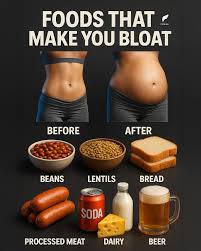
Achieving a flatter, more toned stomach requires more than just crunches and core workouts. Often, what you are **drinking and eating** is silently contributing to **belly bloat, water retention, or fat accumulation** around the midsection.
The good news is that you don’t need an extreme diet change. By simply swapping out a few common culprits, you can significantly reduce uncomfortable swelling and support a flatter, healthier stomach.
Culprits and what you can do instead.
1. Carbonated Drinks – Hidden Bloat Boosters
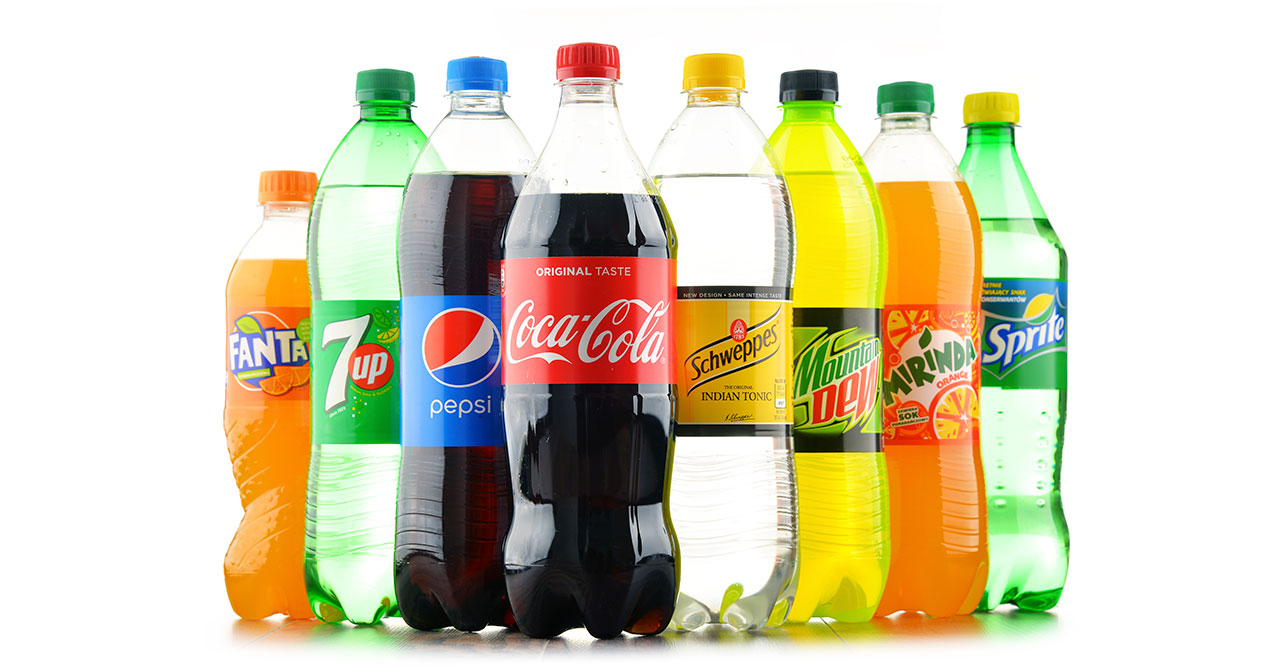
Soda, sparkling water, and fizzy energy drinks are notorious offenders. **Carbonation** introduces excess air (gas) into your digestive system, causing uncomfortable swelling and pressure that visibly distends the stomach.
- Even “diet” versions are problematic: Artificial sweeteners like aspartame and sucralose can disrupt gut bacteria, leading to gas, bloating, and increased cravings.
What You Can Do:
- Drink **still water** with natural additions (lemon, lime, mint, or cucumber) for refreshing flavor.
- Try **herbal teas** like peppermint or ginger, which are known to soothe digestion and help expel trapped gas.
2. Refined Carbs – The Blood Sugar Rollercoaster

White bread, most packaged cereals, pastries, and standard pasta lack the **fiber and nutrients** found in whole grains. They are quickly digested, leading to rapid blood sugar spikes and subsequent crashes.
- This metabolic instability can, over time, signal the body to store fat—often preferentially around the belly area.
- For gluten-sensitive individuals, refined wheat products also cause inflammation and immediate bloating.
What You Can Do:
- Swap white grains for **whole-grain or legume-based options** such as brown rice, quinoa, whole wheat pasta, or oats.
- Choose snacks with **complex carbs and protein** (e.g., apple slices with peanut butter) to keep energy and appetite stable.
3. Salty Snacks – Water Retention Triggers
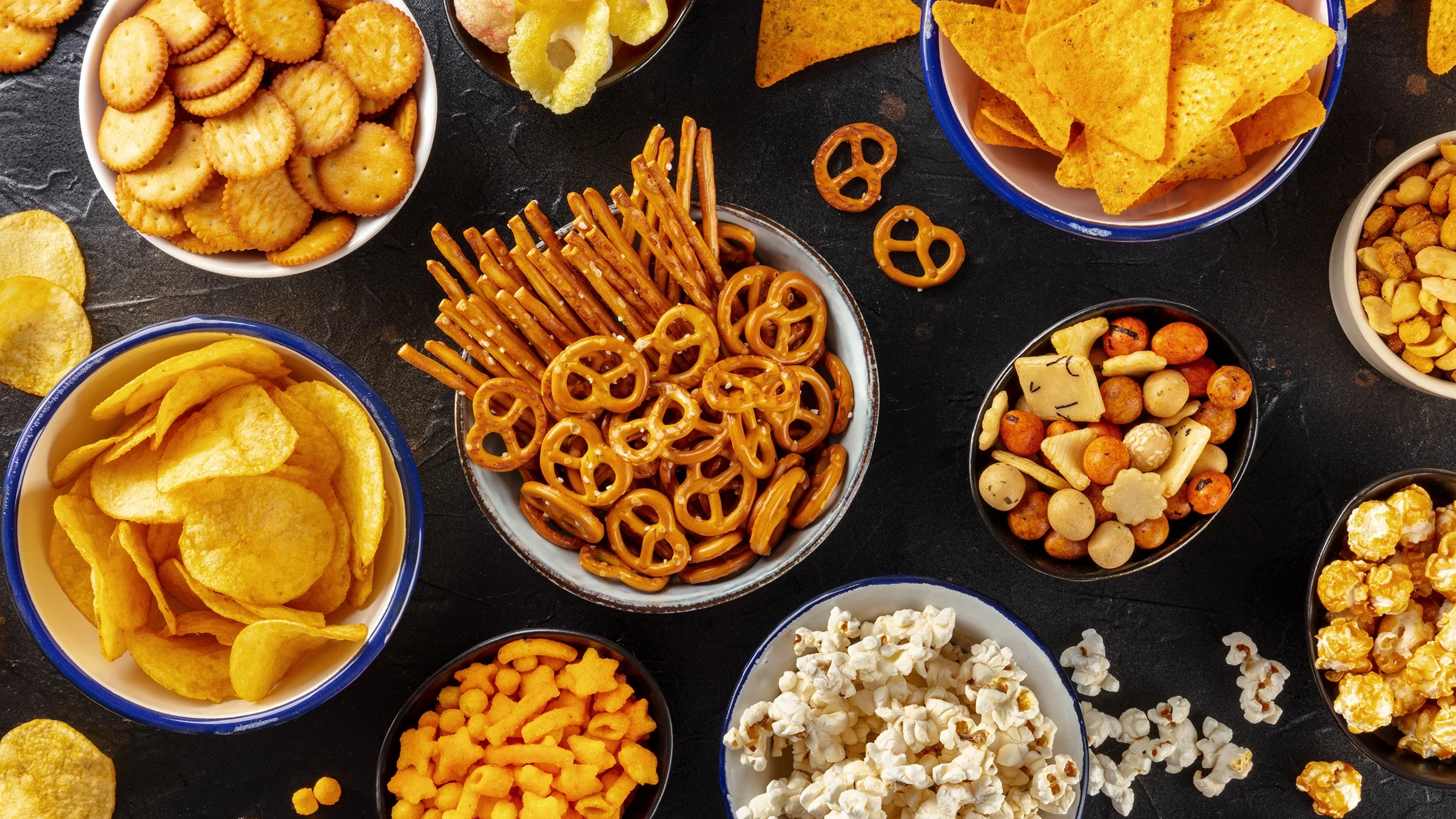
Processed snacks like chips, pretzels, crackers, and high-sodium nuts are loaded with **sodium**. High sodium intake triggers your body to cling to water to maintain a balanced fluid ratio, resulting in that puffy, bloated look, particularly in the midsection and face.
- Chronic high salt intake can contribute to chronic abdominal pressure, even independent of fat gain.
What You Can Do:
- Reach for **low-sodium, whole-food snacks** like fresh fruits, vegetables, and unsalted nuts/seeds.
- Consume **potassium-rich foods** (bananas, spinach, avocados, sweet potatoes) as potassium helps balance sodium levels and acts as a natural diuretic.
4. Alcohol – A Fat and Bloat Booster
Regular alcohol consumption, even in moderate amounts, interferes significantly with fat metabolism. When alcohol is present, your liver **prioritizes breaking down the alcohol** as a toxin, putting the process of burning fat on hold.
- Many alcoholic drinks are high in **empty calories and sugar** (especially cocktails).
- Alcohol also causes systemic inflammation, leading to general puffiness and water retention in the belly.
What You Can Do:
- Limit alcohol to **1–2 drinks per week**.
- Choose cleaner, low-sugar mixers like **club soda and lime** instead of juice or sugary sodas.
- **Stay hydrated**—drink a full glass of water between alcoholic beverages.
5. Artificial Sweeteners – The Hidden Gut Disruptors
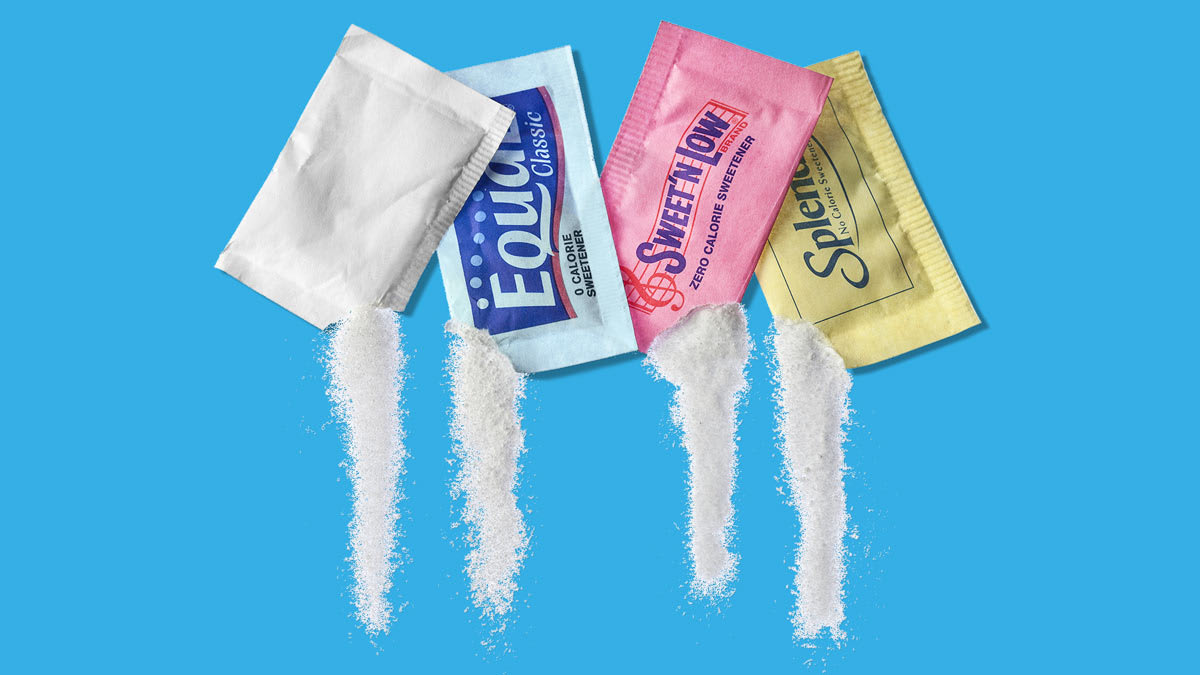
Found in diet sodas, sugar-free gum, “low-sugar” snacks, and many protein bars, artificial sweeteners (like sucralose, aspartame) and **sugar alcohols** (sorbitol, erythritol, xylitol) cause multiple issues:
- They **confuse the metabolism** and may increase sugar cravings.
- They are poorly digested, fermenting in the gut and causing significant **gas, cramping, and bloating**.
What You Can Do:
- Use natural sweeteners like **raw honey, maple syrup, or stevia** sparingly.
- Try to **reduce your overall sweet tooth** by choosing unsweetened versions of coffee, yogurt, and beverages.
✨ Bonus Tips for a Flatter, Happier Stomach
- Hydrate Powerfully: Drink water throughout the day to help flush out excess sodium and toxins.
- Mindful Eating: Eat slowly and **chew your food well**—this is the first step in digestion and drastically reduces swallowed air and bloating.
- Cook at Home: Maximize your control over salt, sugar, and inflammatory additives.
- Move Daily: Even a short walk after a meal helps stimulate digestion and circulation, preventing gas buildup.
Final Thoughts: That stubborn belly bulge isn’t always fat—it’s often reversible **bloating, water retention, or digestive discomfort** caused by simple dietary choices. Start by reducing these five common culprits and replacing them with nourishing, gut-friendly alternatives to see a noticeable difference.