Exercise Guide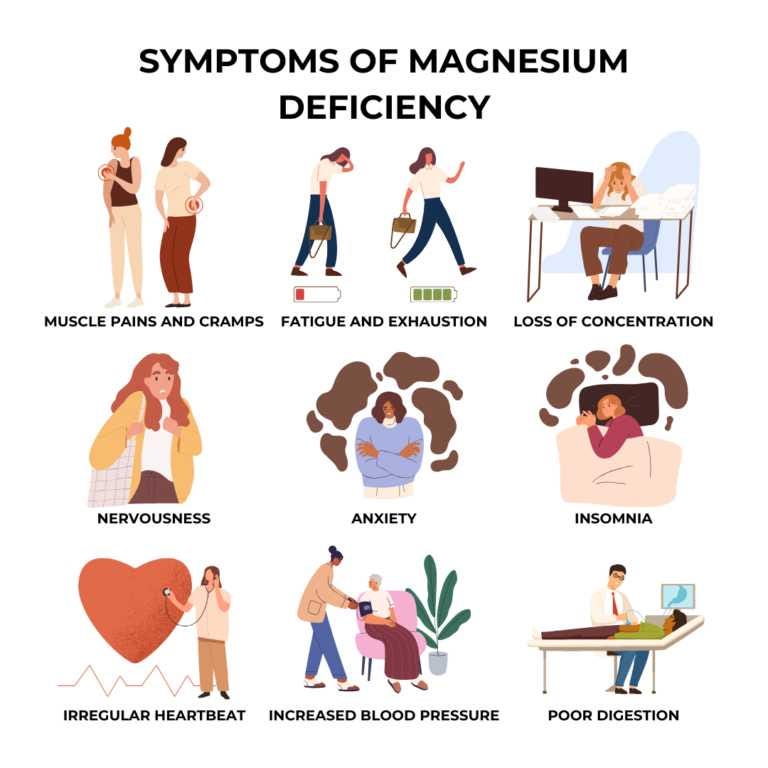
Magnesium is a nutritional “quiet superhero,” involved in over 300 essential biochemical reactions. From nerve conduction to heart rhythm regulation, it is vital for almost every system in the body. Despite its importance, deficiency is shockingaly common due to soil depletion, high-stress lifestyles, and processed diets.
Because symptoms often start small, they are frequently misdiagnosed. Here are the early warning signs your body is crying out for more magnesium.
🚩 The Warning Signs
1. Muscle Cramps and Twitches

Magnesium regulates muscle contractions and relaxation. Low levels lead to involuntary spasms.
⚠️ Watch For: Eyelid twitching, leg cramps, or “charley horses.”
2. Fatigue and Physical Weakness

It is essential for the production of ATP (energy) at a cellular level. Without it, your cells physically cannot create fuel.
⚠️ Watch For: Feeling drained even after 8 hours of sleep.
3. High Blood Pressure (Hypertension)

Magnesium acts as a natural calcium channel blocker, helping blood vessels to relax.
⚠️ Watch For: Unexplained spikes in blood pressure.
4. Irregular Heartbeat (Arrhythmia)

Magnesium maintains the electrical stability of the heart. Deficiency can cause “fluttering” or skipped beats.
⚠️ Watch For: Heart palpitations or a racing pulse while resting.
5. Anxiety and Mood Swings

It regulates neurotransmitters like GABA, which has a calming effect on the brain.
⚠️ Watch For: Heightened irritability, panic attacks, or persistent “on-edge” feelings.
6. Insomnia or Restless Sleep

Magnesium binds to calming receptors in the brain and regulates melatonin.
⚠️ Watch For: Tossing and turning or waking up feeling unrefreshed.
7. Migraines or Chronic Headaches

Low levels can cause blood vessels in the brain to constrict and release inflammatory chemicals.
⚠️ Watch For: Debilitating light-sensitive headaches.
8. Bone Pain or Brittle Nails

Magnesium is a co-factor for Vitamin D and Calcium absorption. Low levels weaken the skeletal matrix.
⚠️ Watch For: Brittle nails or frequent fractures.
9. Constipation

Magnesium has an osmotic effect, drawing water into the intestines to keep digestion moving.
⚠️ Watch For: Hard stools or infrequent movements.
10. Brain Fog and Memory Issues

It protects neurons and facilitates synaptic plasticity, which is necessary for learning.
⚠️ Watch For: Forgetfulness and mental sluggishness.
11. Numbness or Tingling

Proper nerve conduction requires magnesium. Deficiency can cause “pins and needles.”
⚠️ Watch For: Tingling in the hands, feet, or face.
12. Post-Exercise Exhaustion

Magnesium is lost through sweat. A deficiency makes recovery times much longer.
⚠️ Watch For: Excessive soreness after mild physical activity.
13. Hormonal Imbalances

It regulates the production of insulin, estrogen, and progesterone.
⚠️ Watch For: Severe PMS or worsening menopausal symptoms.
14. Intense Chocolate Cravings

Dark chocolate is one of nature’s highest sources of magnesium.
⚠️ Watch For: Persistent, uncontrollable cravings for cocoa.
🛠️ How to Restore Your Levels
1. Focus on Magnesium-Dense Foods

- Leafy Greens: Spinach and Kale.
- Nuts/Seeds: Pumpkin seeds, Almonds, and Cashews.
- Fruits: Avocado and Bananas.
- Treats: Dark Chocolate (at least 70% cocoa).
2. Strategic Supplementation

Magnesium Glycinate: Best for sleep and anxiety (highly absorbable).
Magnesium Citrate: Best for digestion and constipation.
Magnesium Malate: Best for muscle pain and energy.
3. Lifestyle Adjustments

- Epsom Salt Baths: Absorb magnesium sulfate through the skin to relax muscles.
- Limit Depletors: Reduce excessive caffeine, alcohol, and refined sugar.
- Manage Stress: Cortisol (stress hormone) causes the body to “dump” magnesium through urine.
Recognizing these signs early is the key to preventing long-term health issues.
Would you like me to help you create a Magnesium-Rich Meal Plan or explain the dosage requirements for specific supplements?
“`