Exercise Guide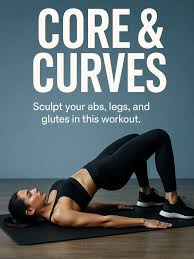
The Pelvic Curl is a high-efficiency movement that targets multiple muscle groups simultaneously. Frequently utilized in Pilates and physical therapy, this exercise does more than just tone your lower body—it improves spinal mobility, stabilizes the pelvis, and corrects postural imbalances.
🎯 Muscles Targeted
Core (Abs)
Hamstrings
Quadriceps
🛠️ How to Perform the Pelvic Curl
Step 1: The Setup

Lie flat on your back on a mat. Bend your knees and place your feet flat on the floor, hip-width apart. Position your arms alongside your body, palms facing down for stability.
Step 2: The Lift

Engage your core by drawing your navel toward your spine. Press through your heels and squeeze your glutes to lift your hips toward the ceiling. Your body should form a straight line from shoulders to knees.
Step 3: The Hold

Pause at the top. Focus on a deep glute squeeze and maintain a “neutral” neck position. Avoid arching your lower back excessively.
Step 4: The Articulation
Slowly “unroll” your spine back to the mat, one vertebra at a time. Imagine your spine is a string of pearls being laid down gently, starting from the upper back and ending with the tailbone.
📈 Variations for Maximum Intensity
- Single-Leg Curl: Extend one leg toward the ceiling to double the load on the working glute.
- Weighted Lift: Place a dumbbell or kettlebell across your hips to increase resistance.
- Elevated Feet: Place feet on a bench or medicine ball to increase the range of motion.
- The Pulse: Add 20 small “pulses” at the top of the range to finish the set.
✅ Key Benefits
- Spinal Mobility: Alleviates back stiffness by encouraging vertebral movement.
- Postural Correction: Strengthens the posterior chain to counteract the effects of sitting.
- Low Impact: Highly effective for muscle toning without stressing the joints.
⚠️ Who Should Proceed with Caution?
Consult a professional if you experience:
- Severe lower back injuries or herniated discs.
- Sharp pain during spinal articulation.
- Advanced pregnancy (unless cleared by a specialist).
Next Step: Incorporate 3 sets of 15 repetitions into your next warm-up or cool-down. Would you like me to suggest a full Pilates-inspired routine to pair with the Pelvic Curl?