Exercise Guide
Time poverty is no longer an excuse for physical stagnation. This Intensive Leg Routine is engineered for maximum muscle recruitment and EPOC (Excess Post-exercise Oxygen Consumption). By utilizing high-frequency, bodyweight-only movements, we can effectively spike the heart rate, torch adipose tissue, and stimulate lower-body hypertrophy in under 10 minutes.
1. Kinetic Bodyweight Squats

Primary: Quadriceps, Gluteus Maximus | Secondary: Core Stabilizers
- Position feet shoulder-width apart, toes slightly abducted (10–30°).
- Initiate the movement by hinging at the hips, maintaining a neutral lumbar spine.
- Descend until the femurs are parallel to the floor, ensuring knees track over the mid-foot.
- Drive explosively through the heels, finishing with a hard gluteal squeeze.
Scientific Rationale: As a compound “king” movement, squats engage the largest muscle groups in the body, creating a significant hormonal response and systemic fat-burning effect.
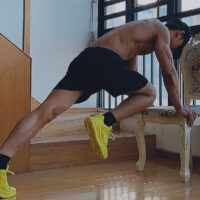
2. Alternating Dynamic Lunges
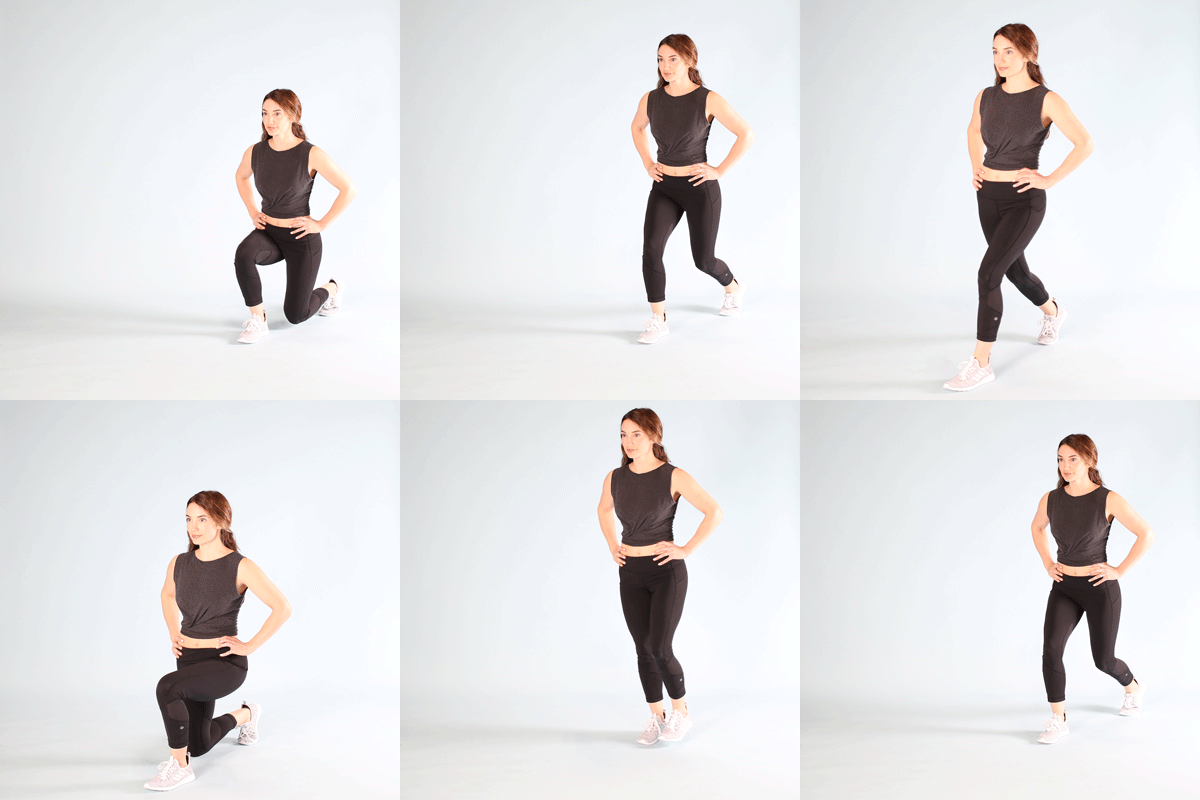
Primary: Quads, Glutes | Secondary: Hip Stabilizers, Proprioception
- Step forward into a deep lunge, creating 90-degree angles at both knee joints.
- Keep the torso perpendicular to the floor to maximize core engagement.
- Push back to the starting position using unilateral force from the front heel.
- Alternate legs immediately without rest to maintain cardiovascular intensity.
Scientific Rationale: Unilateral loading corrects muscular imbalances and forces the gluteus medius to stabilize the pelvis, enhancing overall athletic functionality.
3. Posterior Chain Bridge

Primary: Gluteus Maximus, Hamstrings | Secondary: Erector Spinae
- Lie supine; drive through the heels to elevate the pelvis.
- Ensure a straight kinetic line from the acromion (shoulder) to the patella (knee).
- Execute an isometric hold at the peak for 2 seconds to maximize fiber recruitment.
- Lower under control, stopping just before the sacrum touches the floor.
Scientific Rationale: This movement counteracts “Gluteal Amnesia” caused by prolonged sitting, strengthening the posterior chain to improve posture and lower-back health.
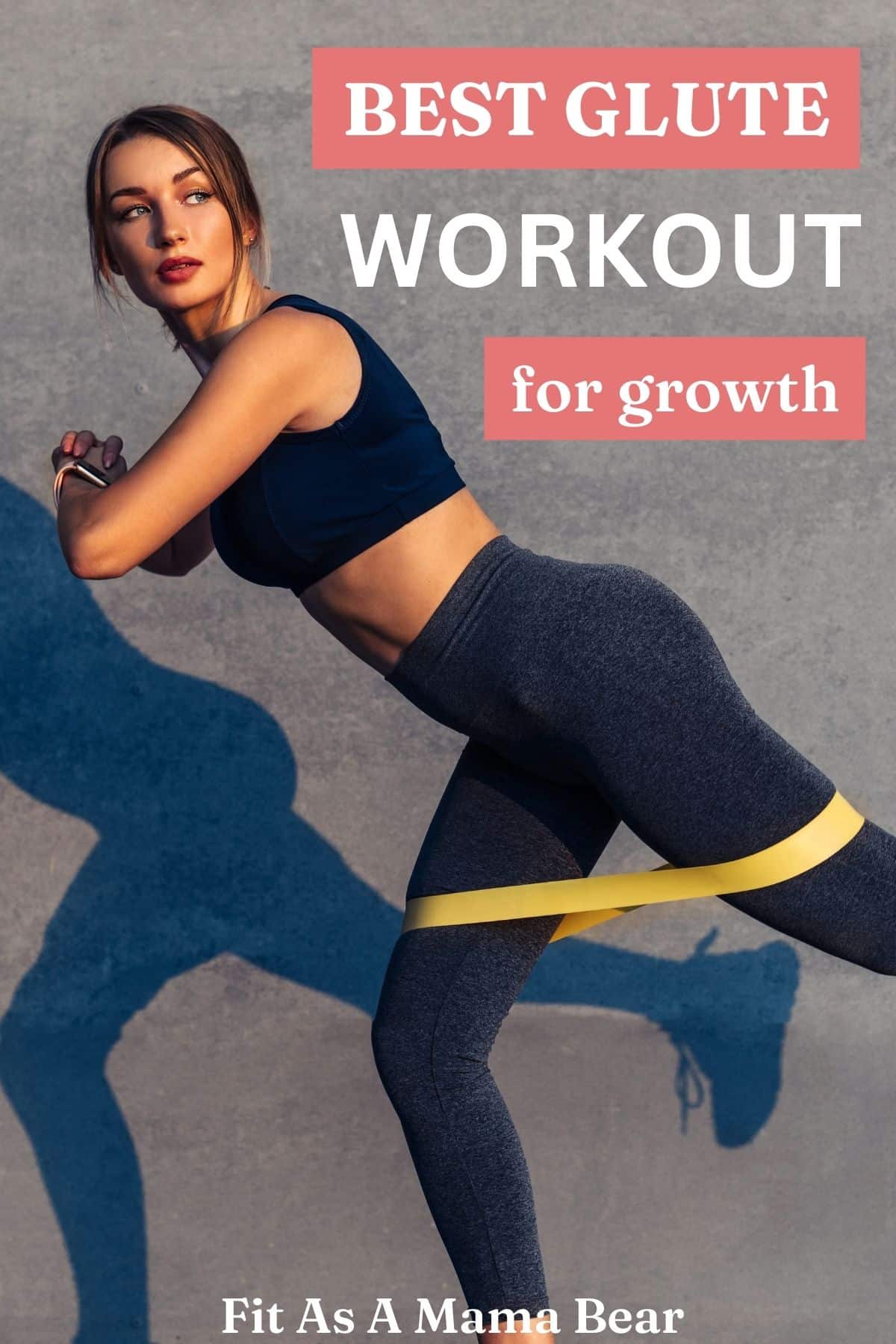
4. Single-Leg Isometric Kickbacks

Primary: Gluteal Isolation, Hamstring Tie-in
- Maintain the bridge elevation while extending one leg horizontally.
- Focus on keeping the pelvic “headlights” level; do not allow the hip to drop.
- Alternate the extension while keeping the core braced and the stationary glute contracted.
Scientific Rationale: By removing one point of contact, you increase the stability demand on the core and the contralateral glute, leading to superior muscle density.
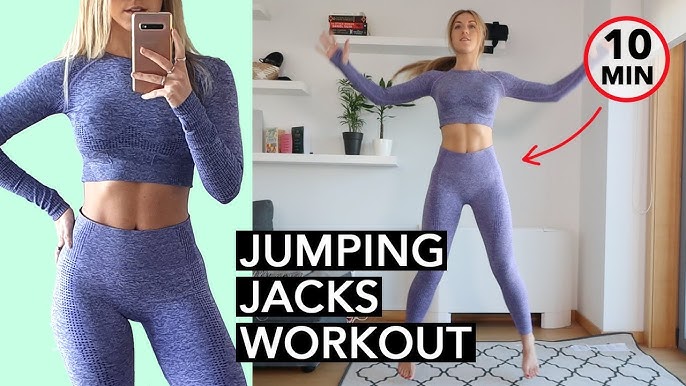
5. Plyometric Jumping Jacks
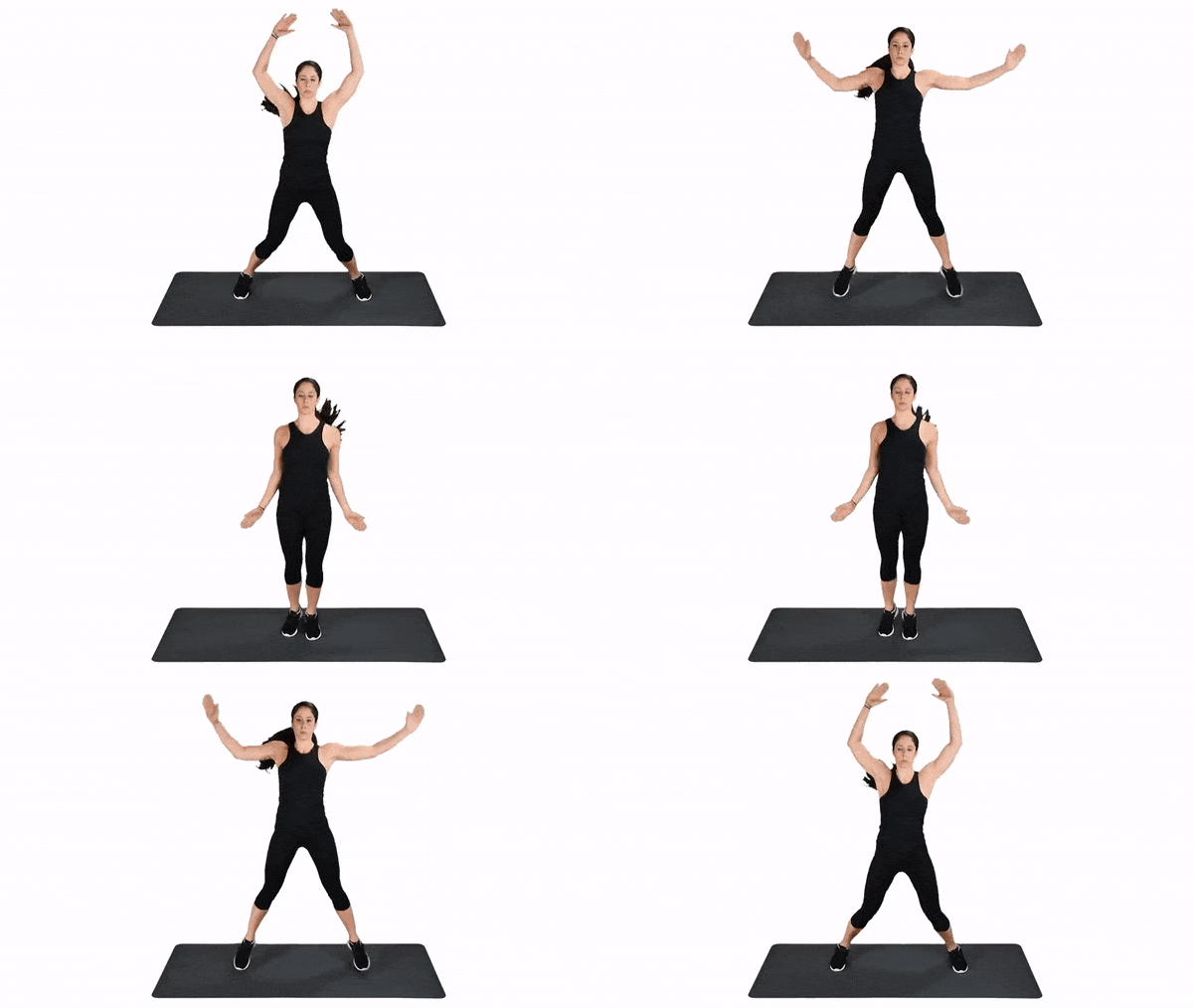
Primary: Cardiovascular System, Calves, Adductors/Abductors
- Execute rapid, rhythmic jumps with a focus on light, forefoot landings.
- Maintain full range of motion in the upper extremities to increase caloric output.
- Keep a consistent tempo to maximize the aerobic-anaerobic transition.
Scientific Rationale: This plyometric stimulus increases the heart rate to the target fat-burning zone while improving lymphatic drainage and lower-body elasticity.
6. Triple-Phase Calf Raises

Primary: Gastrocnemius, Soleus | Secondary: Ankle Stability
- Rise onto the metatarsals (balls of feet) with maximum explosive force.
- Pause for a 1-second peak contraction to optimize the mind-muscle connection.
- Eccentrically lower the heels slowly to maximize muscle fiber micro-trauma.
Scientific Rationale: Strengthening the calves enhances the “second heart” (venous return) and provides the finishing aesthetic touch to a toned lower body.