Exercise Guide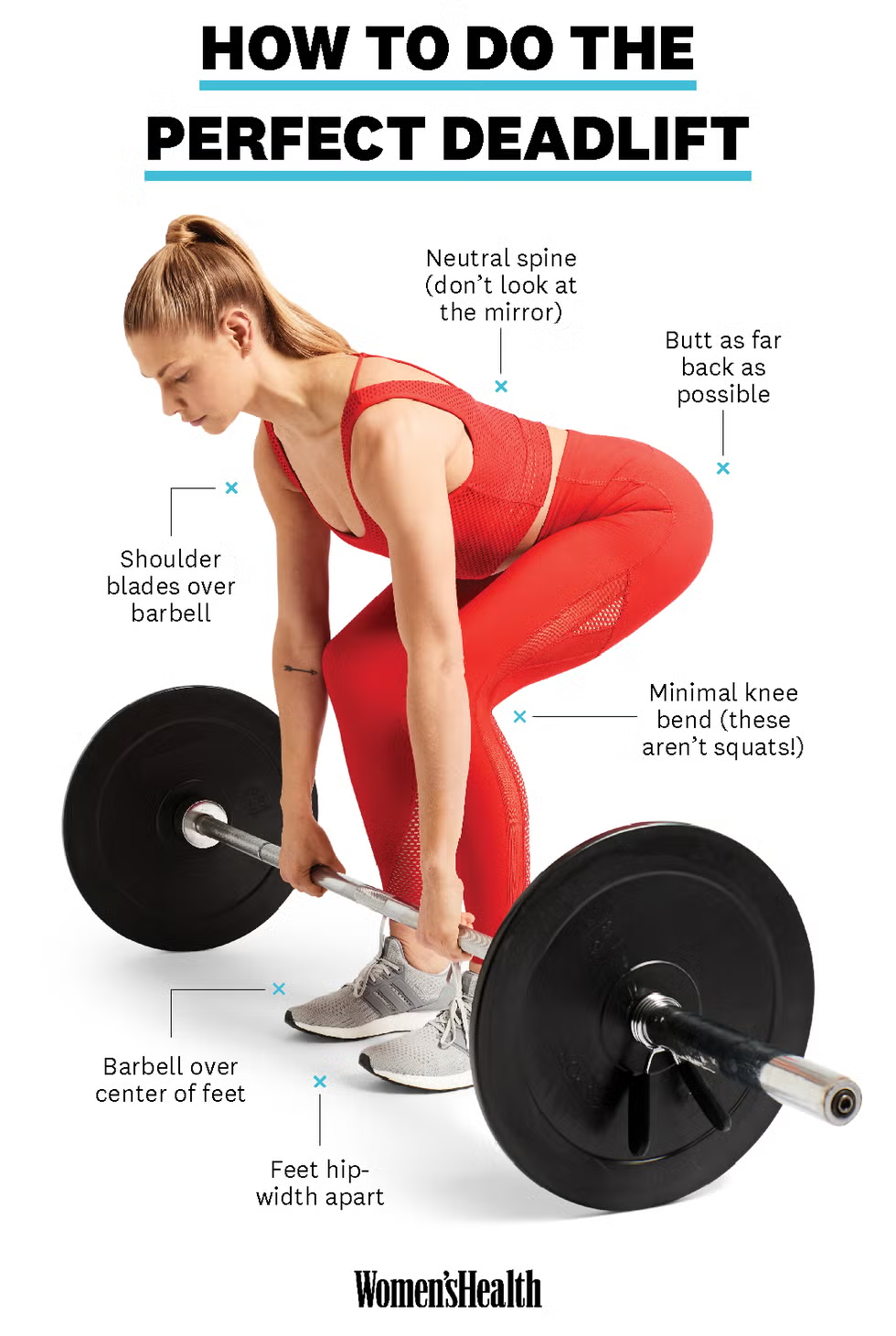
The barbell deadlift is a compound exercise renowned for building strength, promoting functional movement, and delivering various physical and mental benefits. It’s a fantastic exercise for fitness newbies and bodybuilding pros alike. But don’t be fooled by its straightforward nature—when it comes to deadlifts, your form is critical.
What Muscles Does the Deadlift Work?
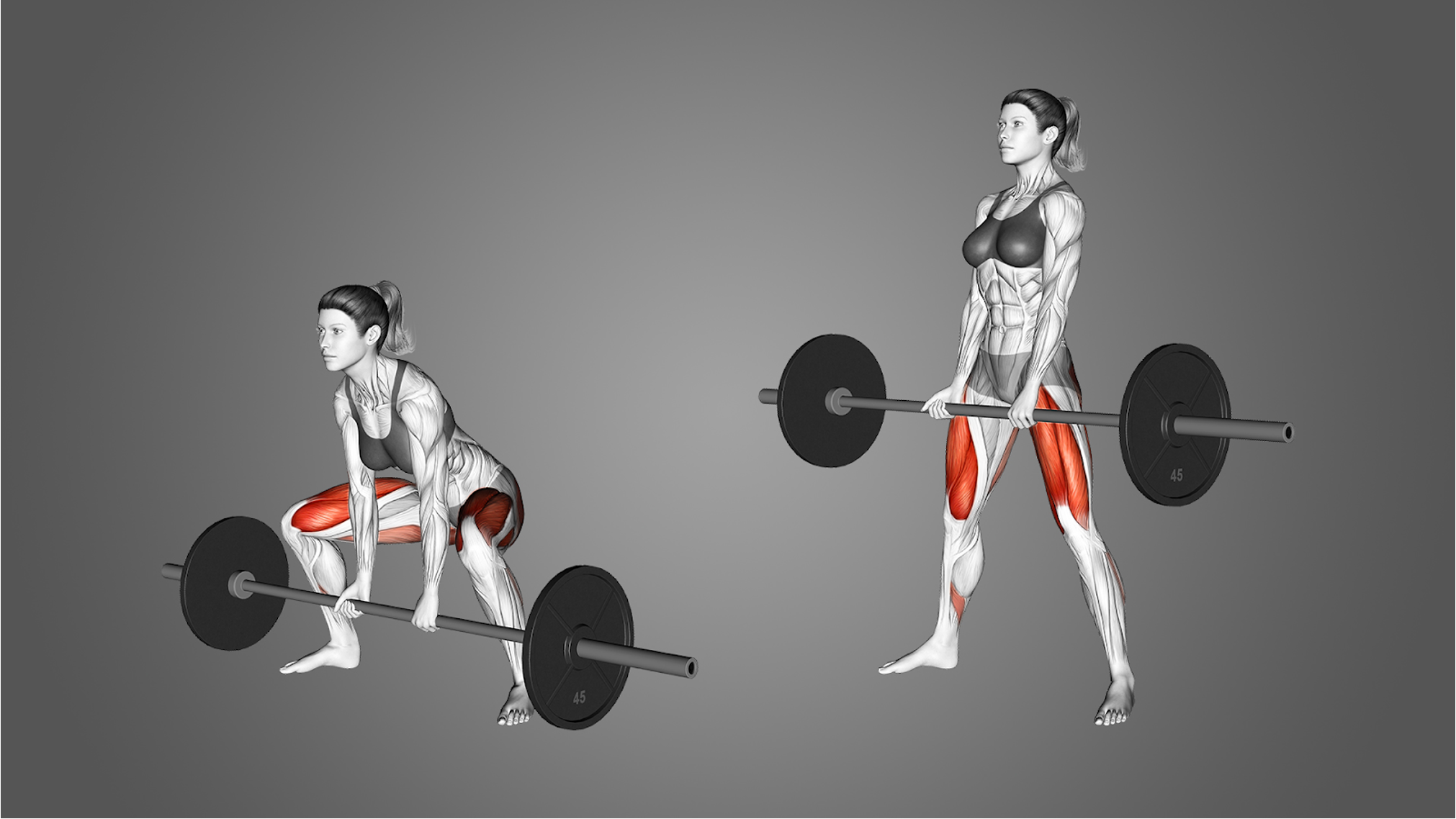
The deadlift is a true full-body exercise, engaging almost every major muscle group. Its primary focus is the posterior chain (the muscles on the back of your body).
- Primary Movers: Glutes, Hamstrings, Erector Spinae (Lower Back).
- Secondary Movers & Stabilizers: Quadriceps, Lats (Upper Back), Trapezius (Traps), Core (Abs & Obliques), and Grip (Forearms).
How to Do a Conventional Deadlift
Mastering the deadlift begins with the setup. This is the blueprint for a strong and safe lift. Your physical proportions (e.g., short thighs vs. long thighs) will influence your exact setup, so focus on these form cues rather than trying to copy someone else’s form exactly.
Step 1: The Setup (Feet & Stance)
- Place Your Feet: Stand with your feet about hip-width apart. Your toes can point straight ahead or slightly outward.
- Bar Position: Position yourself so the barbell is directly over the middle of your feet. Your shins should be very close to, or lightly touching, the bar.
Step 2: The Grip
-
- Hinge Your Hips: Hinge at your hips, pushing your butt back while keeping your spine straight, until you can reach the bar.
- Grab the Bar: Grab the bar with your hands placed just outside your legs. Your arms should be completely straight, like ropes.
- Grip Type: For most people, a standard **double overhand grip** (both palms facing you) is best. If grip becomes an issue on heavy sets, an **alternating grip** (one palm facing you, one facing away) can be used, but use it sparingly to avoid muscular imbalances.
Step 3: The Hinge (Creating Tension)
-
-
- Align Your Spine: With your grip set, drop your hips until your shins touch the bar. Pull your chest up and shoulders back. Your back must be perfectly flat and neutral. Do not let your lower back round.
- “Pull the Slack”: Pull up on the bar just enough to feel the tension and hear a ‘click’ as it connects with the plates. This creates full-body tension before the lift.
- Hold Your Breath: Take a deep breath into your belly and brace your core, creating an “internal weight belt” to protect your back.
-
Step 4: The Lift (The Pull)
-
-
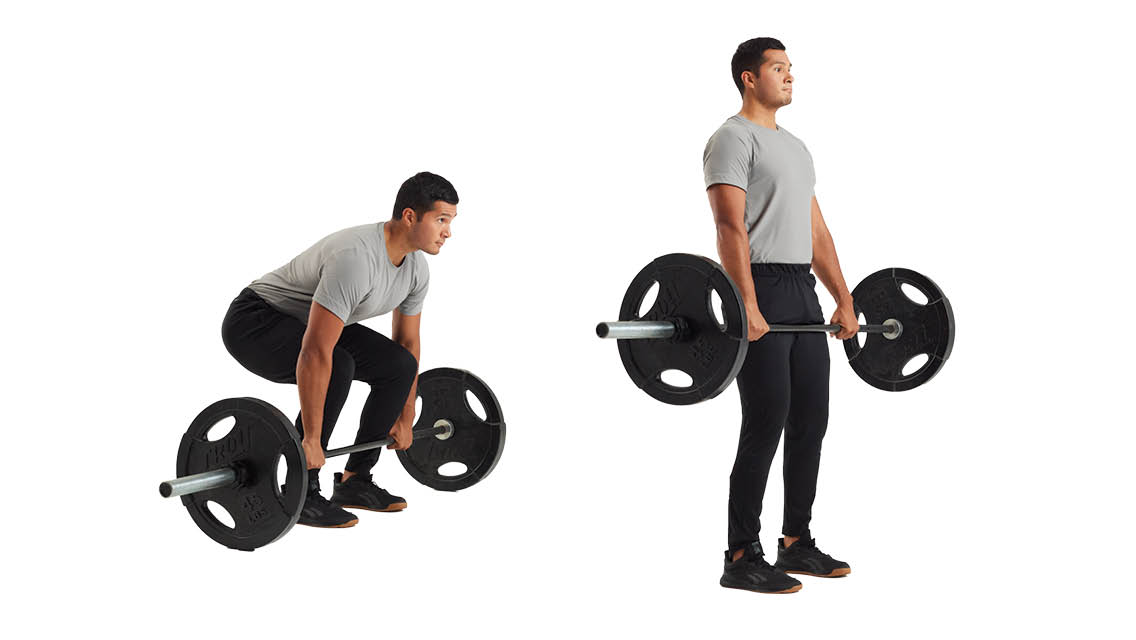
- Drive with Your Legs: Initiate the lift by thinking “push the floor away” with your feet. Your hips and chest should rise at the same time.
- Keep the Bar Close: Actively pull the bar *into* your body. It should graze your shins and thighs on the way up.
- Drive Your Chest Up: This helps you maintain a strong, upright upper back and prevents rounding.
-
Step 5: The Lockout
-
-
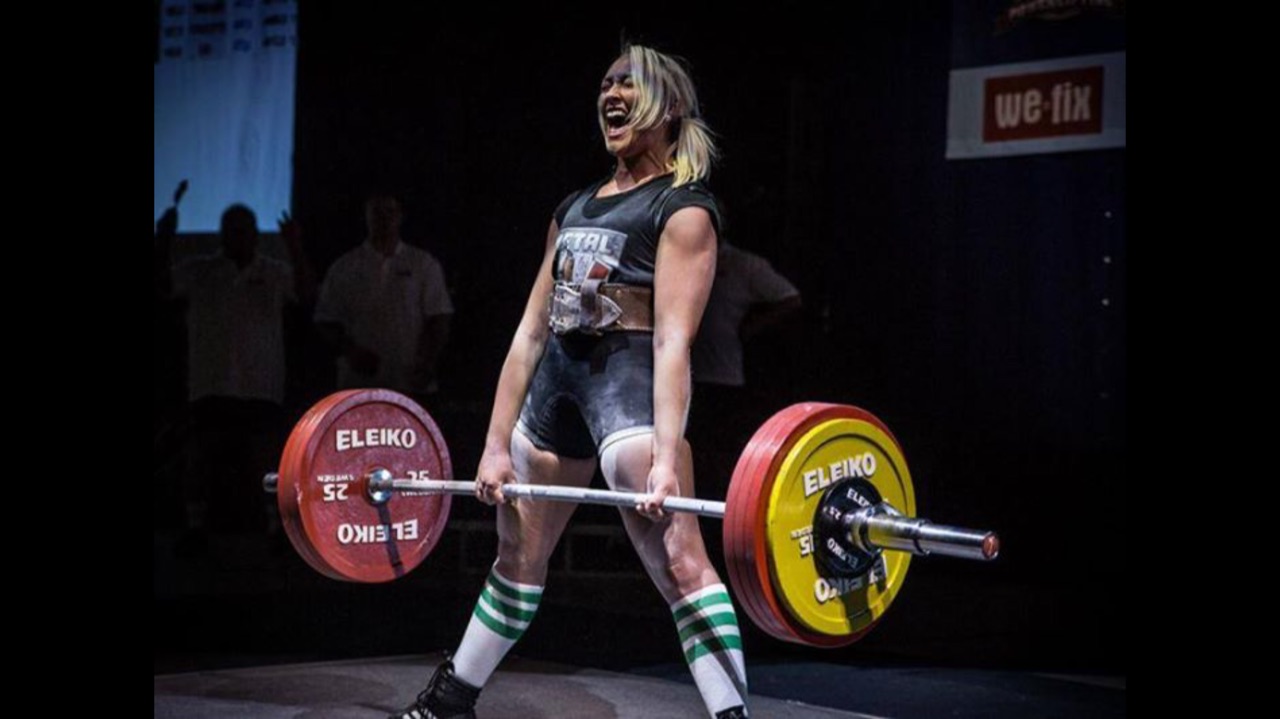
- Extend Your Hips: As the bar passes your knees, drive your hips forward forcefully.
- Stand Tall: Finish the lift by standing tall with an upright, proud posture. Squeeze your glutes firmly at the top. Do not lean back.
-
Step 6: The Finish (Lowering the Weight)
-
- Hinge to Lower: To lower the bar, reverse the motion. Push your hips back *first* (hinge) while keeping your back straight.
- Control the Descent: Once the bar passes your knees, you can bend your knees more to return the bar to the floor. Lower the weight with control; don’t just drop it haphazardly.
Common Deadlift Mistakes (and How to Fix Them)
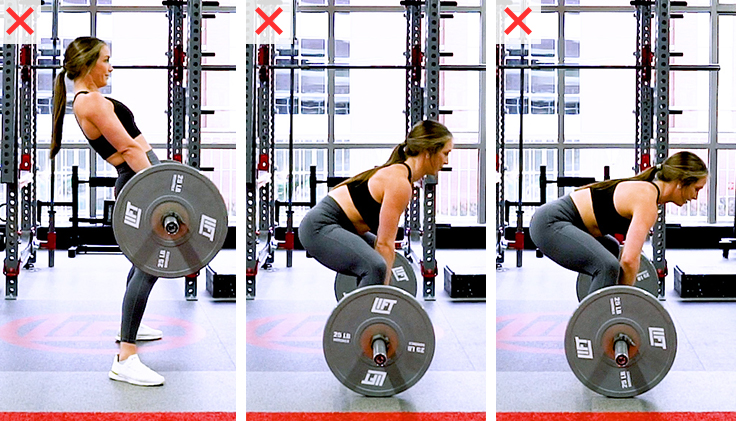
Mistake: Rounding the Lower Back
The Problem: This is the most dangerous deadlift mistake and puts your spinal discs at risk of injury.
The Fix: Keep your chest up and your core braced. If you can’t keep your back flat, the weight is too heavy or you need to work on hip mobility. Practice the hip hinge with a dowel or light weight.
Mistake: Lifting with Your Back (Not Your Legs/Hips)
The Problem: Your hips shoot up first, leaving your back to do all the work. This turns the lift into a “stiff-leg deadlift” and strains your back.
The Fix: Focus on the cue “push the floor away.” Your chest and hips must rise together at the same rate.
Mistake: Hyperextending (Leaning Back) at the Top
The Problem: Leaning back at the lockout puts unnecessary compression and strain on your lumbar spine.
The Fix: Finish the lift by standing tall and squeezing your glutes. Your hips, knees, and shoulders should be in a straight vertical line.
Mistake: The Bar Drifts Away From Your Body
The Problem: If the bar swings away from your shins, it pulls your center of gravity forward and forces your lower back to take the load.
The Fix: Actively engage your lats (the large muscles on your back) to “pull” the bar into your body. It should graze your shins and thighs all the way up.
Benefits of Deadlifts

Here are some of the many benefits of adding deadlifts to your workout:
- Builds overall strength and power, targeting multiple muscle groups at once.
- Enhances functional strength, mimicking everyday movements and making daily tasks easier.
- Improves posture and spinal health by strengthening the entire posterior chain.
- Increases bone density as a weight-bearing exercise, helping to prevent osteoporosis.
- Boosts athletic performance by improving strength, power, and explosive force.
- Supports metabolism and fat burning by engaging a large number of muscles.
- Improves grip strength as you hold onto heavy weights.
Reps and Sets
Your rep and set scheme depends on your goal:
- For Pure Strength: Aim for 3-5 sets of 1-5 reps with very heavy weight.
- For Hypertrophy (Muscle Growth): Aim for 3-4 sets of 6-12 reps with a challenging weight.
- For Beginners: Start with just the bar or light weight for 3-4 sets of 8-10 reps, focusing 100% on perfect form.
Takeaway
Proper form is key to a successful deadlift. By mastering the hip hinge, maintaining a neutral spine, and embracing the power of this exercise, you can transform your body and unlock new levels of strength and confidence. Start light, be patient, and respect the lift.