Exercise Guide
We’ve all been there—deciding to “get in shape,” opening YouTube, and ten minutes later, you’re wondering how people do burpees without crying. The truth is, exercise doesn’t have to be punishment. A proper full body workout can make you feel strong, energized, and proud—without complex machines or 2-hour sessions.
Why Choose a Full Body Workout?
A Full Body Workout is the most effective way to build lean muscle, burn fat, and improve overall fitness, especially if you’re short on time. Instead of isolating muscle groups, you’re training your entire body to work together—increasing strength, balance, and endurance all at once.
Working multiple muscle groups together helps your body burn more calories, boosts your metabolism, and builds strength faster. You’re teaching your body to move better and function as a unified, strong unit. It also helps prevent workout boredom.
Warm-Up: Dynamic Movements for Injury Prevention
Skipping a warm-up is like starting a car and immediately flooring the gas. A warm-up gets blood flowing, loosens joints, and prepares muscles for efficient work—helping you train harder and avoid injury.
Effective 5-10 Minute Warm-Up:
- Arm Circles: Loosen up shoulders and upper back.
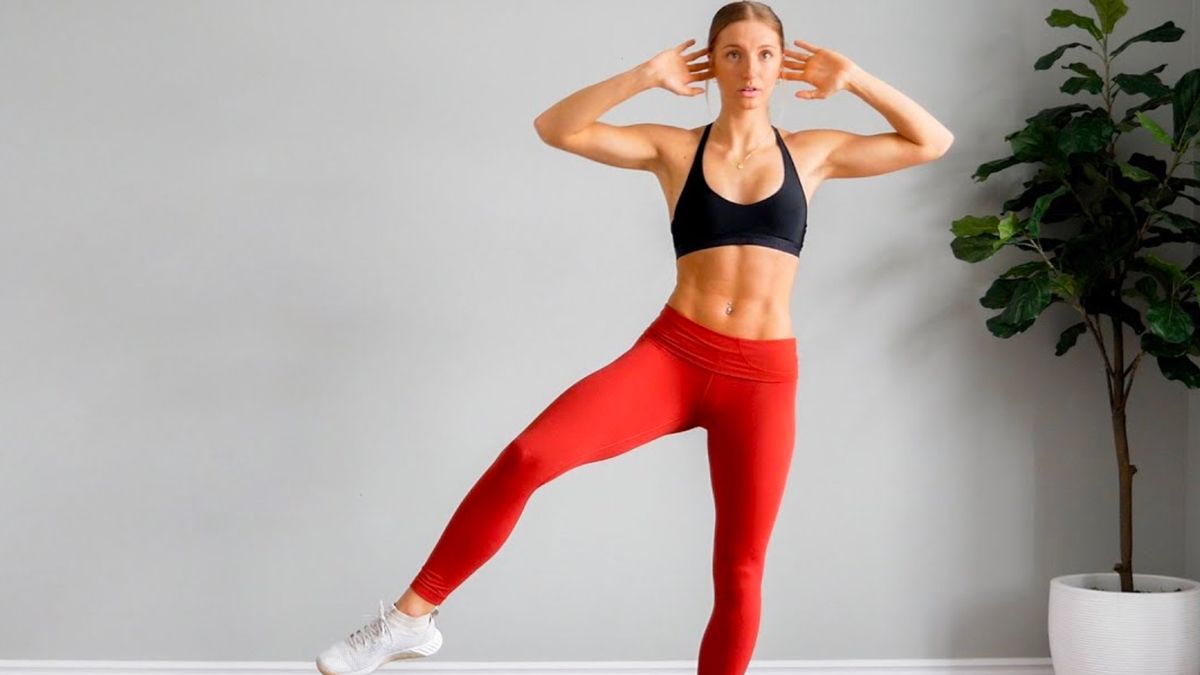
- Leg Swings: Swing legs front-to-back and side-to-side to open the hips.
- Torso Twists: Wake up the core and improve spinal mobility.
- High Knees or Jogging in Place: Warm up the body and increase heart rate.
- Bodyweight Squats or Lunges: Activate legs and glutes.
7 Most Effective Full Body Exercises
1 – Squats – King of Lower Body Strength
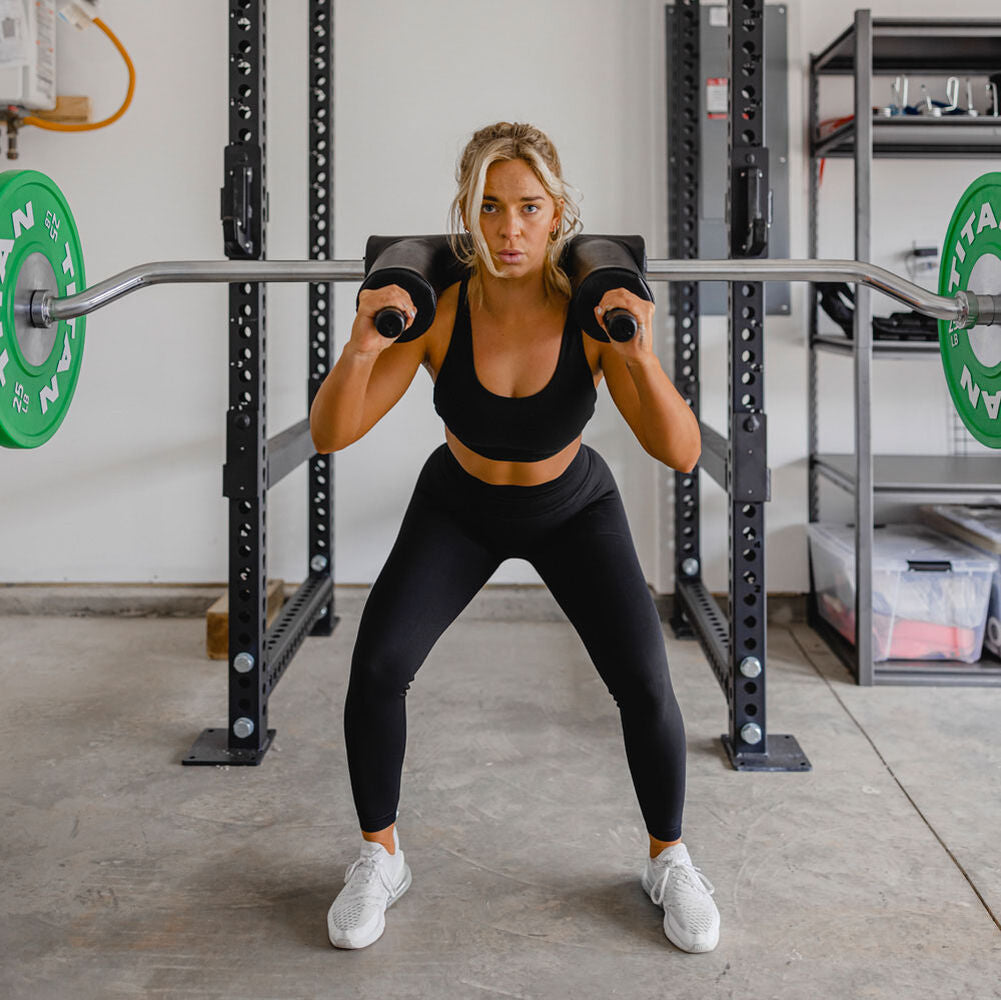
Why it’s effective:
Squats target multiple muscle groups at once—quads, hamstrings, glutes, and even your core—to move your body in a natural, functional way. They are a fantastic calorie-burning exercise and build the foundation for a strong, toned body.
Step-by-Step Guide:
- Stand with your feet shoulder-width apart, toes slightly pointed out.
- Keep your chest up, shoulders back, and engage your core.
- Lower your body as if you’re sitting in a chair—push your hips back, knees tracking over your toes.
- Go as low as you comfortably can, keeping your heels flat on the floor.
- Push through your heels to stand back up, squeezing your glutes at the top.
Variations: Increase difficulty with Goblet Squats (holding a dumbbell at your chest) or Jump Squats for a cardio boost.
2 – Push-Ups – Total Upper Body Activation
Why it’s effective:
Push-ups target the chest, shoulders, triceps, and core. This is a full-body exercise disguised as an upper-body move. It builds strength, endurance, and stability for your upper half.
Step-by-Step Guide:
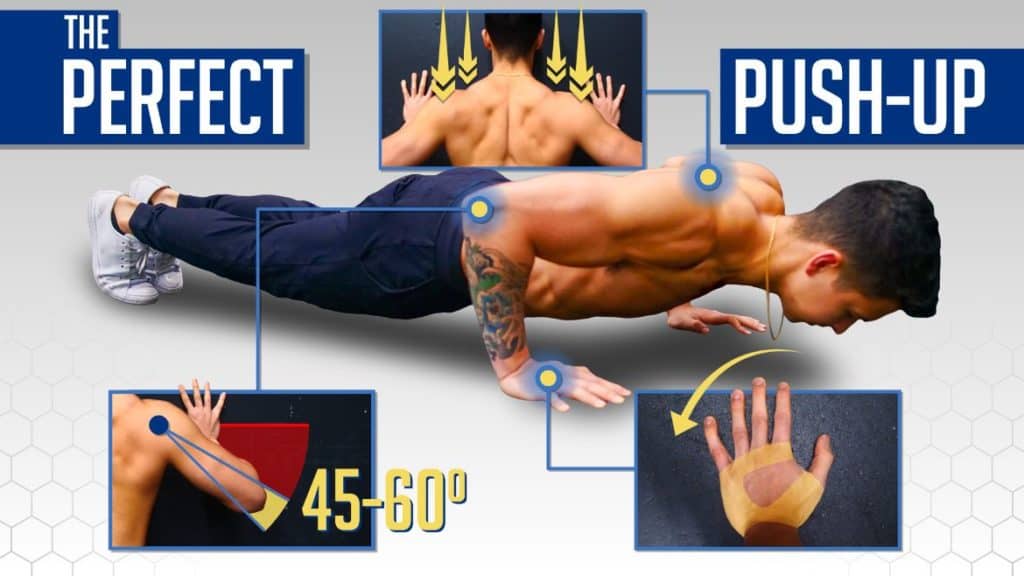
- Start in a high plank position with your hands slightly wider than your shoulders.
- Keep your body straight from head to heels—no sagging hips or raised butt.
- Lower your chest to the floor by bending your elbows at about a 45-degree angle.
- Pause briefly, then push back up to the starting position.
Beginner Variation: Perform Knee Push-ups (on your knees) or Incline Push-ups (hands on an elevated surface) to reduce the difficulty.
3 – Plank – Core Strength and Stability

Why it’s effective:
The plank is the ultimate test of strength, stability, and endurance. It works your entire core—not just your abs, but your lower back, shoulders, glutes, and legs. A strong core improves posture and makes all other movements stronger.
Step-by-Step Guide:
- Start in a plank position on your forearms or hands, with elbows (or wrists) directly under your shoulders.
- Keep your body in a straight line from head to heels.
- Engage your core (pull your belly button in), squeeze your glutes, and keep your gaze slightly forward.
- Breathe deeply and hold the position for as long as you can maintain good form.
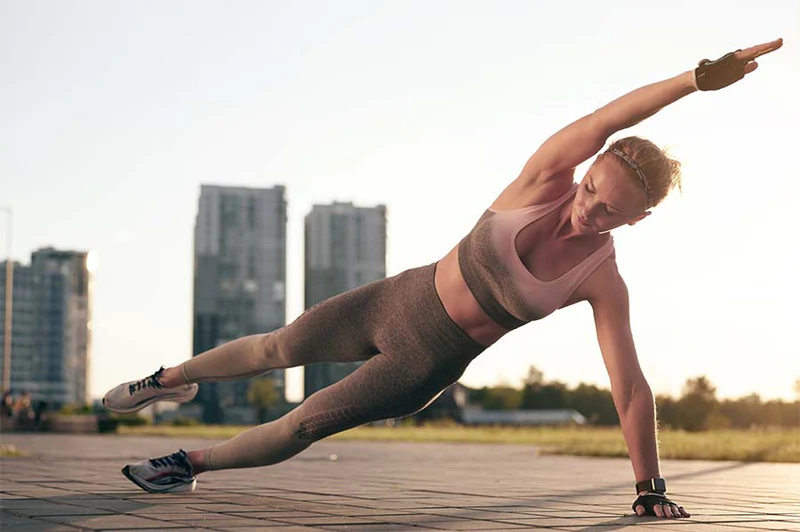
Variations: Try Side Planks to target your obliques, or Plank Shoulder Taps for an added stability challenge.
4 – Dumbbell Rows – Back and Arm Sculptor
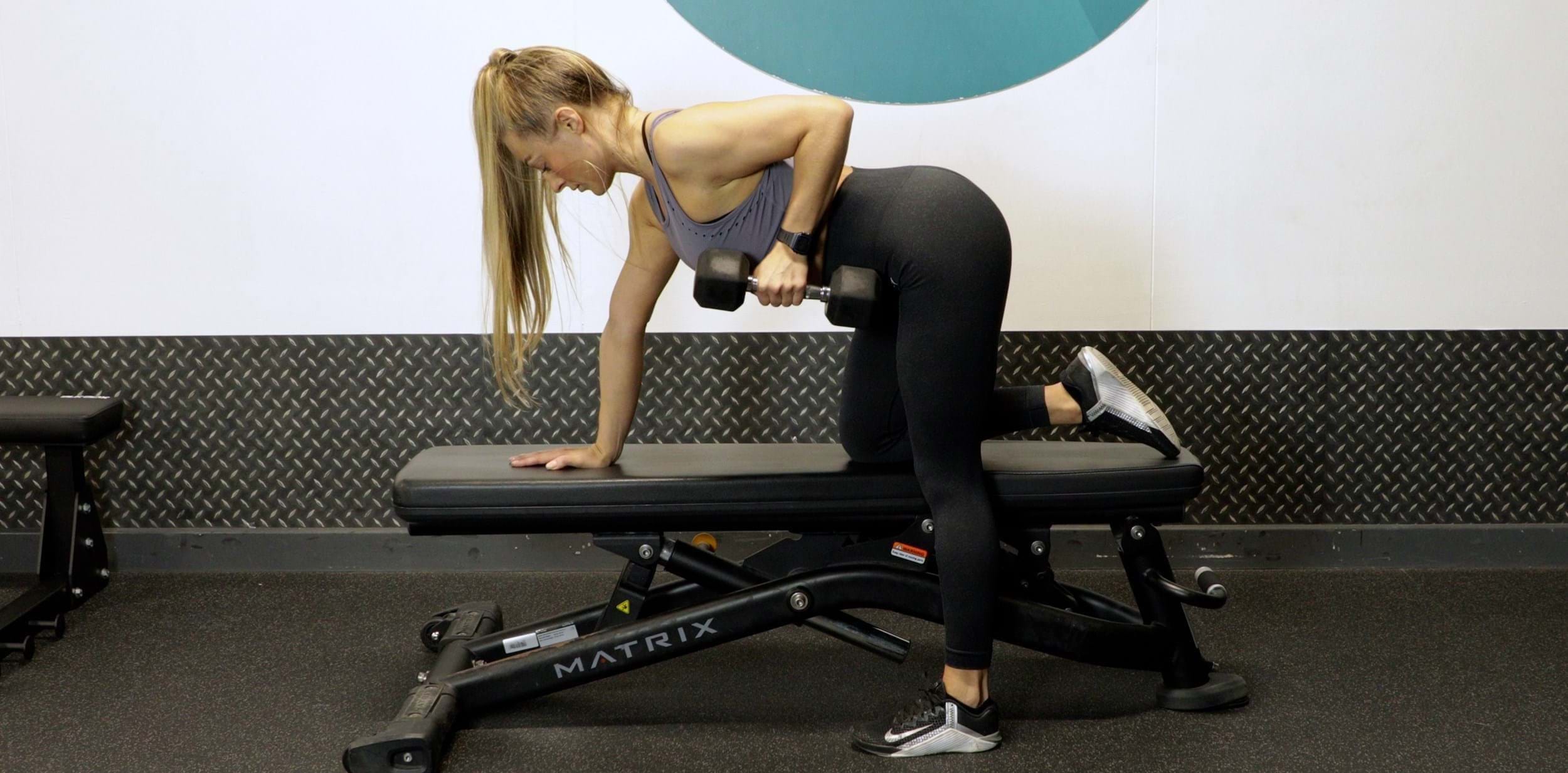
Why it’s effective:
This exercise is highly effective for building a strong, defined back and toning your arms. It targets the lats, rhomboids, biceps, and even your core.
Step-by-Step Guide:
- Hold a dumbbell in each hand with palms facing each other (or do one arm at a time, bracing on a bench).
- Hinge slightly at your hips, keeping your back straight and core engaged.
- Pull the dumbbells toward your ribcage by driving your elbows back and squeezing your shoulder blades together.
- Lower the weights slowly and with control to the starting position.
Reps: Perform 3 sets of 10–12 reps. Keep your spine neutral and avoid using momentum.
5 – Lunges – Build Balance and Leg Strength

Why it’s effective:
Lunges are a great unilateral (one-sided) exercise to target your quads, hamstrings, and glutes. They also significantly improve your balance, core stability, and help fix muscle imbalances between your legs.
Step-by-Step Guide:
- Stand tall, feet hip-width apart. Engage your core.
- Step one foot forward into a long stride.
- Lower your hips until both knees are bent at a 90-degree angle. Make sure your front knee doesn’t go past your toes.
- Push off your front heel to return to the starting position. Repeat on the other leg.
Variations: Try Reverse Lunges to reduce pressure on the knees, or Walking Lunges to increase difficulty.
6 – Glute Bridges – Activate the Posterior Chain
:max_bytes(150000):strip_icc()/Verywell-12-3567220-Bridge02-772copy-5c631946c9e77c0001d93219.jpg)
Why it’s effective:
Glute Bridges are essential for activating and strengthening the posterior chain (glutes and hamstrings), which often becomes weak from sitting. Strong glutes support your lower back and improve hip mobility.
Step-by-Step Guide:
- Lie on your back with knees bent, feet flat on the floor, hip-width apart.
- Place your arms by your sides with your palms down.
- Push through your heels to lift your hips off the floor until your body forms a straight line from shoulders to knees.
- Squeeze your glutes at the top for 1-2 seconds, then slowly lower.
Reps: Perform 3 sets of 12-15 reps. For a challenge, try Single-Leg Glute Bridges.
7 – Jumping Jacks – Cardio Boost for Fat Burn

Why it’s effective:
Jumping Jacks are a classic full-body exercise combining cardio and coordination to increase your heart rate, burn fat, and energize your body. It works your legs, core, and shoulders while improving endurance.
Step-by-Step Guide:
- Stand tall with your feet together and your hands at your sides.
- Jump your feet out to the sides while raising your arms overhead.
- Immediately jump back to the starting position and repeat in a rhythmic motion.
Reps: Perform 3 sets of 30–60 seconds, with 15 seconds of rest in between.
:max_bytes(150000):strip_icc()/3.1-goblet-squat-700x700_0-cd0f62362c834bafa47f1bc315c4cd73.jpg)
Frequently Asked Questions (FAQs)
How often should I do a full body workout?
2–4 times per week is ideal. Allow for rest days between sessions for recovery. Your muscles grow during rest.
Are full body workouts good for weight loss?
Absolutely. They burn more calories by recruiting more muscles in a single session and build lean muscle, which boosts your metabolism.
How long should a full body workout be?
Aim for 30–45 minutes, depending on your fitness level and goals. The quality of your reps is more important than the duration.
Can beginners do full body workouts?
Yes, this is a great choice. Start with low-impact versions (e.g., knee push-ups) and gradually build strength. Always focus on correct form.
Conclusion
A full body workout is one of the most efficient and rewarding ways to transform your fitness. By focusing on movements that combine multiple muscle groups, you’ll improve strength, endurance, and coordination while boosting your metabolism. Remember, consistency and proper form are key. Approach each workout with intention, breathe deeply, and enjoy the process of moving your body. Fitness isn’t just about looking good—it’s about feeling strong, confident, and capable in your everyday life.