Exercise Guide
With so many of us working from home, poor posture from slumping over laptops on sofas and beds is leading to a rise in neck and back pain. The combination of non-ergonomic setups and daily stress can cause significant muscle tension. Fortunately, yoga offers a safe and effective way to find relief.
I – The Problem with the WFH Setup
Most home office setups are not ergonomically designed. When you glance down at your device, your neck is pulled forward and down, placing significant strain on the muscles. This is compounded by the fact that many of us hold stress physically in our neck and upper back, leading to constant tension and discomfort.
II – 5 Yoga Poses to Relieve Neck Pain
A longtime antidote to both muscle tension and stress, yoga can be incredibly helpful for neck pain. These five exercises, recommended by wellness coach Donna Noble, are a great place to start. Remember to stop if you feel any sharp pain.
1. Shoulder Roll
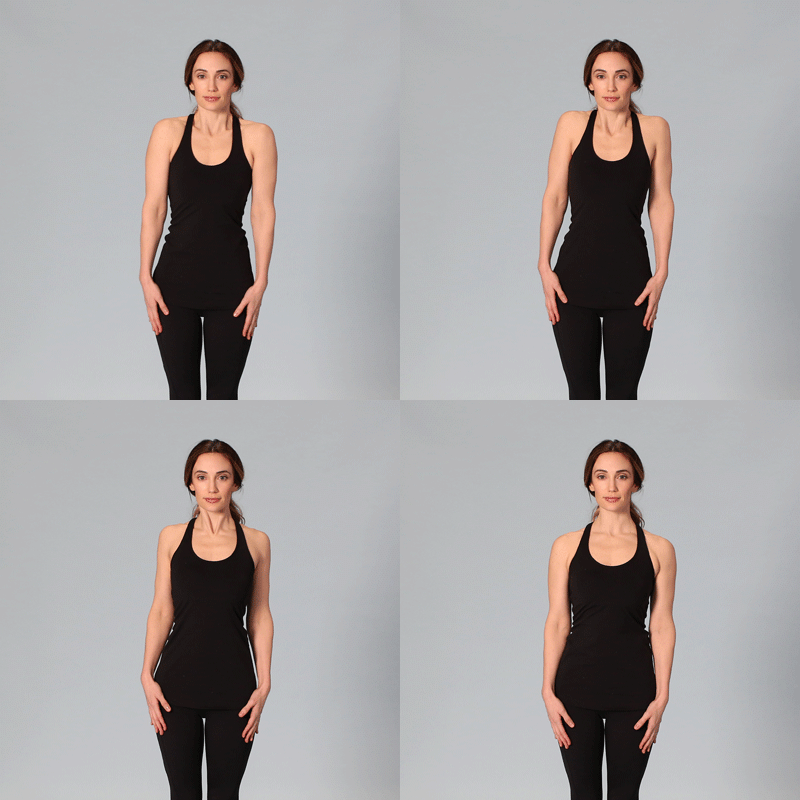
A simple yet powerful move to release tension from the shoulders and the base of the neck. Focus on pulling your shoulders away from your ears to feel the tension melt away.
How to do it:
-
- Stand or sit with your feet planted hip-width apart and brace your core.
- Maintaining a neutral gaze, roll your shoulders up toward your ears, then back, and finally down in one fluid motion.
- Repeat 10 times, breathing throughout.
- Switch directions, rotating your shoulders up, forward, and then down. Repeat 10 times.
2. Cat-Cow
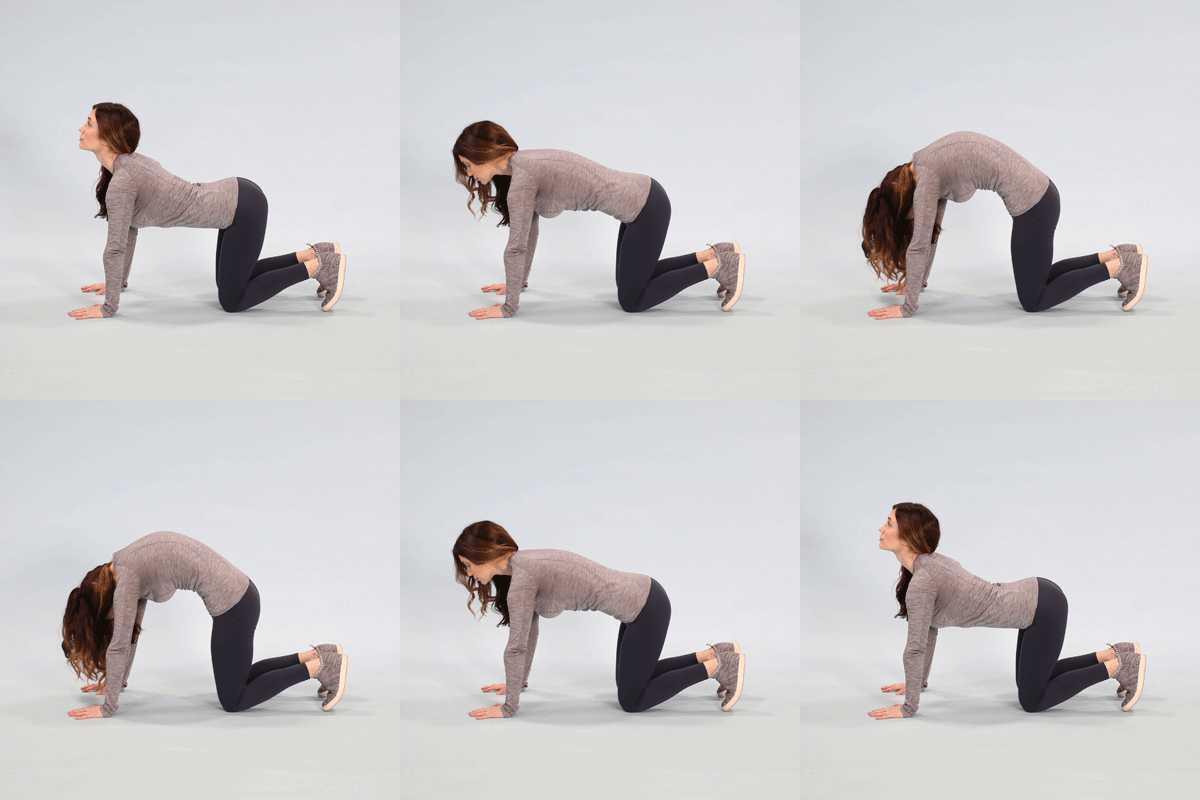
This dynamic pose warms up the entire spine, from your head to your tailbone, loosening tension that exists all along it and relieving pressure on the neck.
How to do it:
-
- Start on all fours, with wrists directly under your shoulders and knees under your hips.
- (Cat) On an exhale, arch your back and round your spine toward the ceiling, like an angry cat. Let your head hang heavy between your arms. Hold for 3 breaths.
- (Cow) On an inhale, lift your tailbone, roll your shoulders back, and allow your belly to sink toward the floor as you gaze up.
- Repeat the flow between Cat and Cow for 10–12 repetitions.
3. Standing Forward Fold
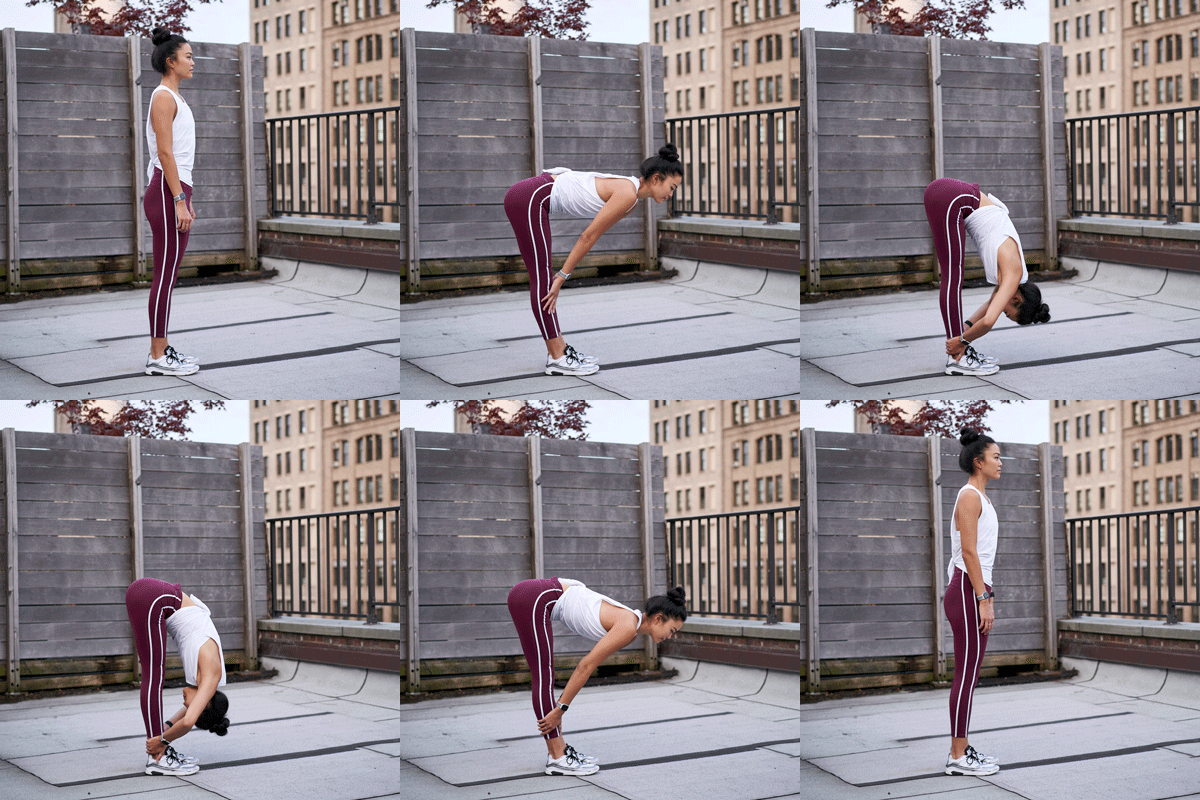
This pose provides a gentle stretch for the neck, back, and the entire back of your legs, releasing built-up tension.
How to do it:
-
- Stand with your feet hip-width apart and knees slightly bent.
- Engage your core by drawing your belly button in toward your spine.
- Hinge forward at your hips (not your waist), resting your palms on the floor or a yoga block.
- Tuck your chin into your chest and allow your head to hang heavy toward the floor.
- Hold for 4–6 deep breaths.
4. Seated Forward Fold
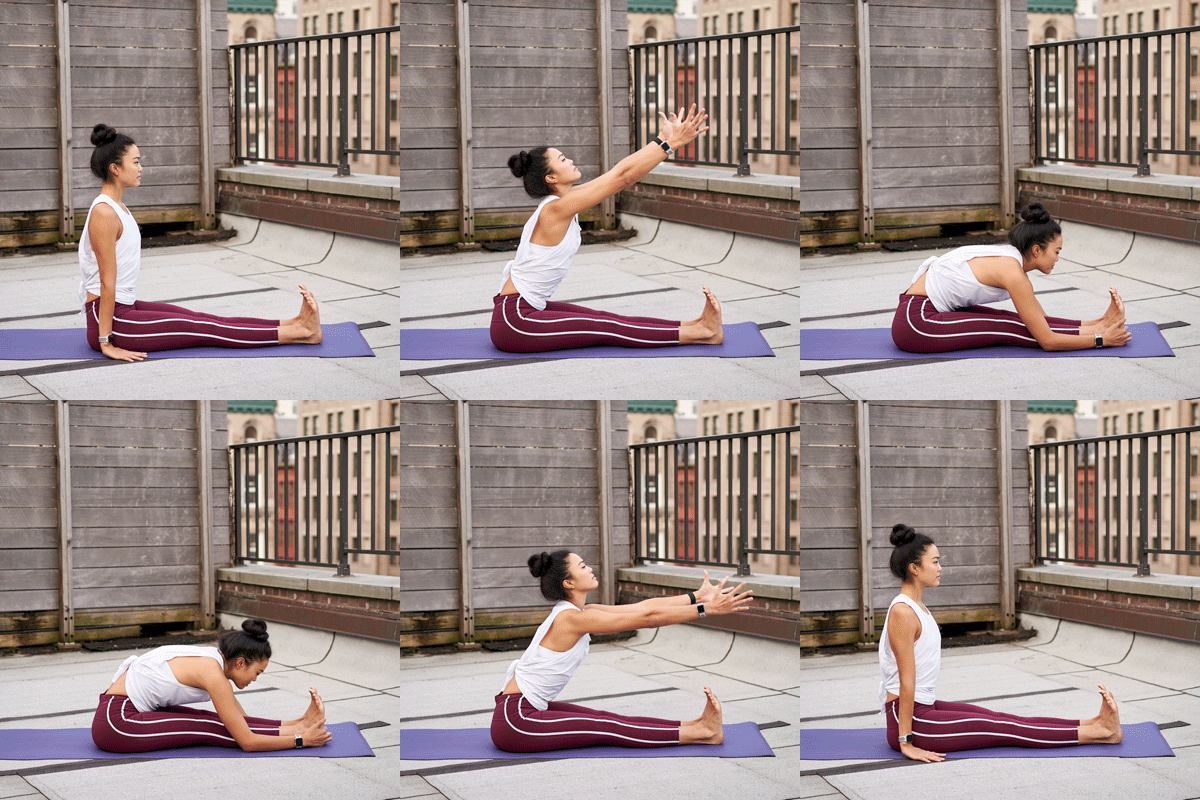
Similar to the standing version, this pose helps relieve stress and tension in the neck and back, but with more support for those who prefer sitting.
How to do it:
-
- Sit on the floor with your legs extended straight in front of you.
- Reach your arms straight overhead to lengthen your spine.
- Keeping your spine long, hinge forward from your hips, allowing your upper body to fold over your legs.
- Continue lowering until just before your back starts to round. Take hold of your knees, shins, or toes.
- Deepen the fold on each exhale as is comfortable. Hold for 4-6 breaths.
5. Thread the Needle
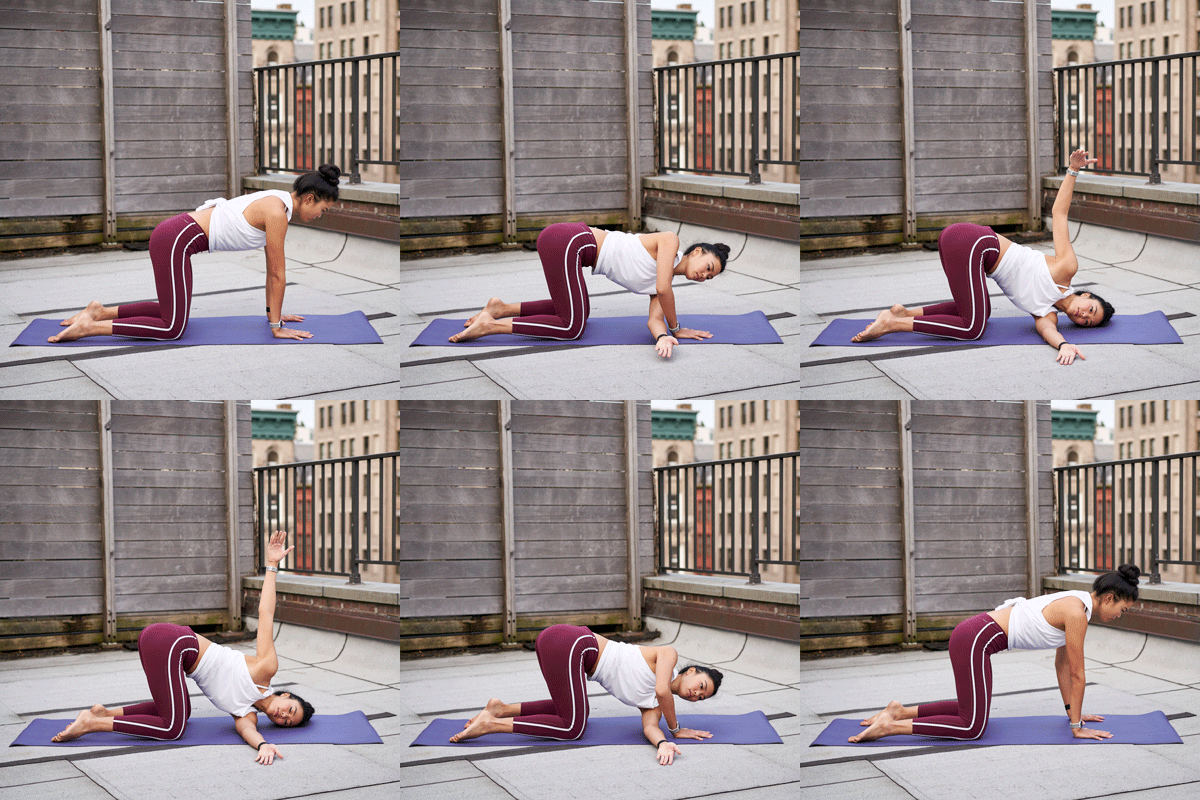
This pose may look unusual, but it’s excellent for relieving deep-seated tension in the neck, shoulders, and upper back.
How to do it:
-
- Start on all fours in a tabletop position and brace your core.
- Press into your left hand for stability. Lift your right hand and slide it, palm-up, on the floor between your left hand and left knee.
- As your right hand travels, bring your right shoulder and the side of your head to rest on the floor.
- Hold for 4–6 breaths, then slowly return to the starting position before switching sides.
III – What Else Can I Do for My Neck Pain?
While yoga is fantastic for managing symptoms, addressing the root cause is crucial. If your home office setup is to blame, it’s time for a workspace makeover.
- Monitor Position: Position your monitor at eye level and about an arm’s length away from you.
- Keyboard: If you use a detachable keyboard, position it so that your elbows are in line with your wrists as you type.
- Chair Choice: Choose a chair that allows your feet to rest flat on the floor, promoting a more neutral spine.