Exercise Guide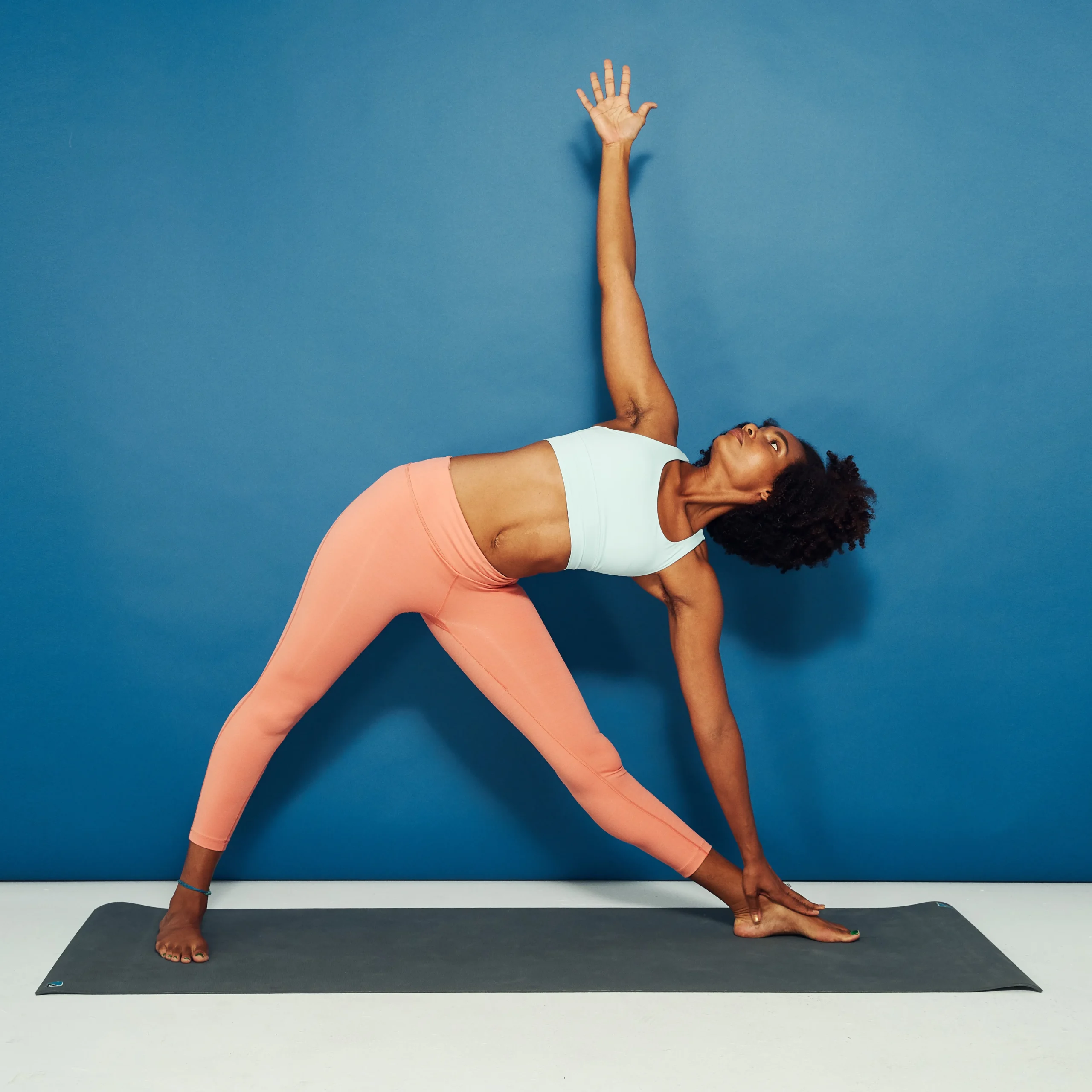
There are many great reasons to incorporate yoga into your routine. Yoga improves muscle tone, flexibility, strength, and balance. It helps you relax and reduce stress, and research has shown it can enhance overall well-being and quality of life. Ready to give it a try? Here are ten beginner poses recommended to get you started.
1. Cat–Cow Pose (Marjariasana)
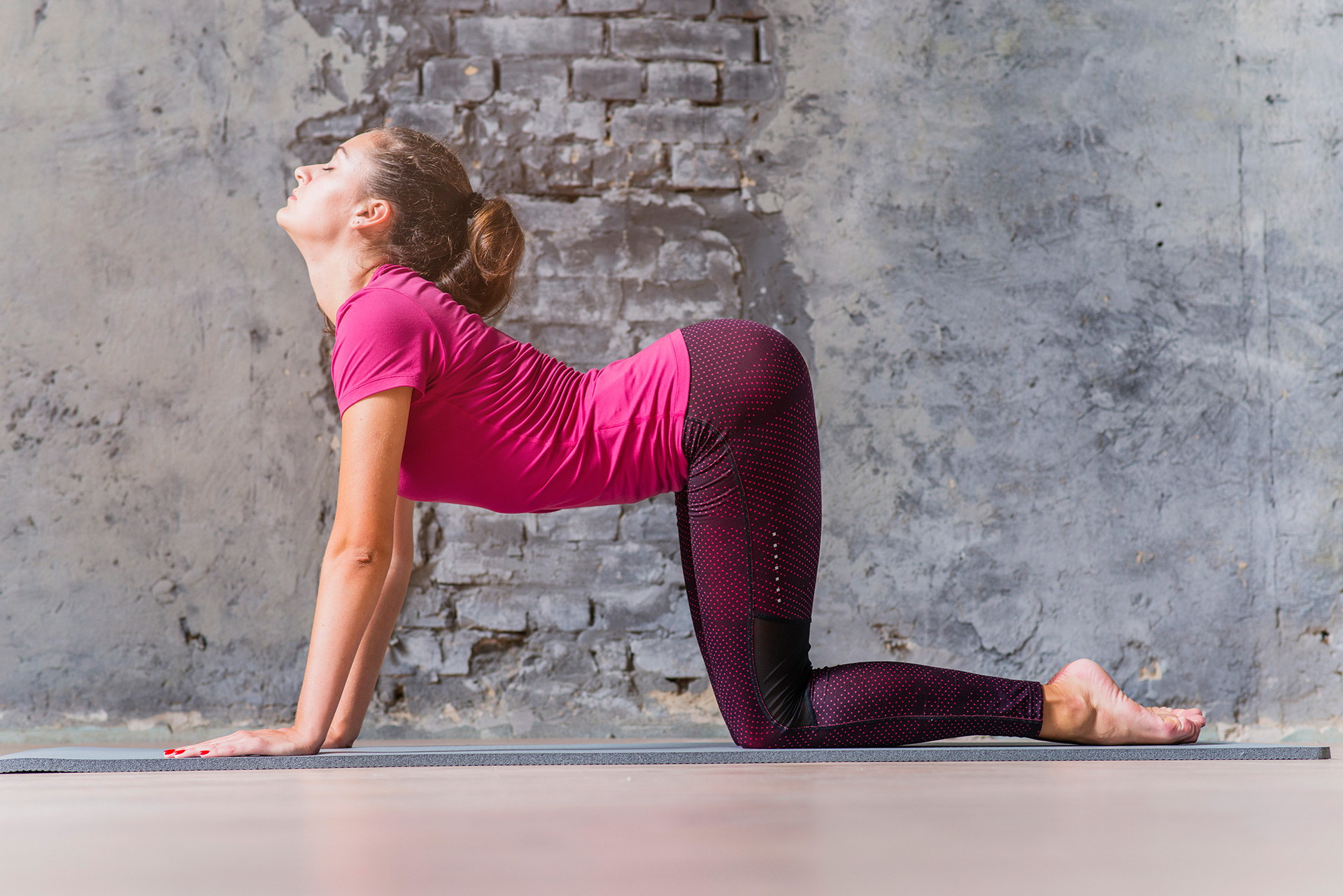
Cat-cow is a great way to warm up your back and work your core without extra stress on your wrists and shoulders.
How to do it:
- Get on your mat on all fours with your hands directly below your shoulders and your knees directly below your hips.
- (Cat) Inhale and round your back, arching it up as you lower your chin to your chest; feel the stretch from your neck to your tailbone.
- (Cow) As you exhale, lower your back down into a scoop shape as you lift your head and tilt it back.
2. Child’s Pose (Shishuasana)
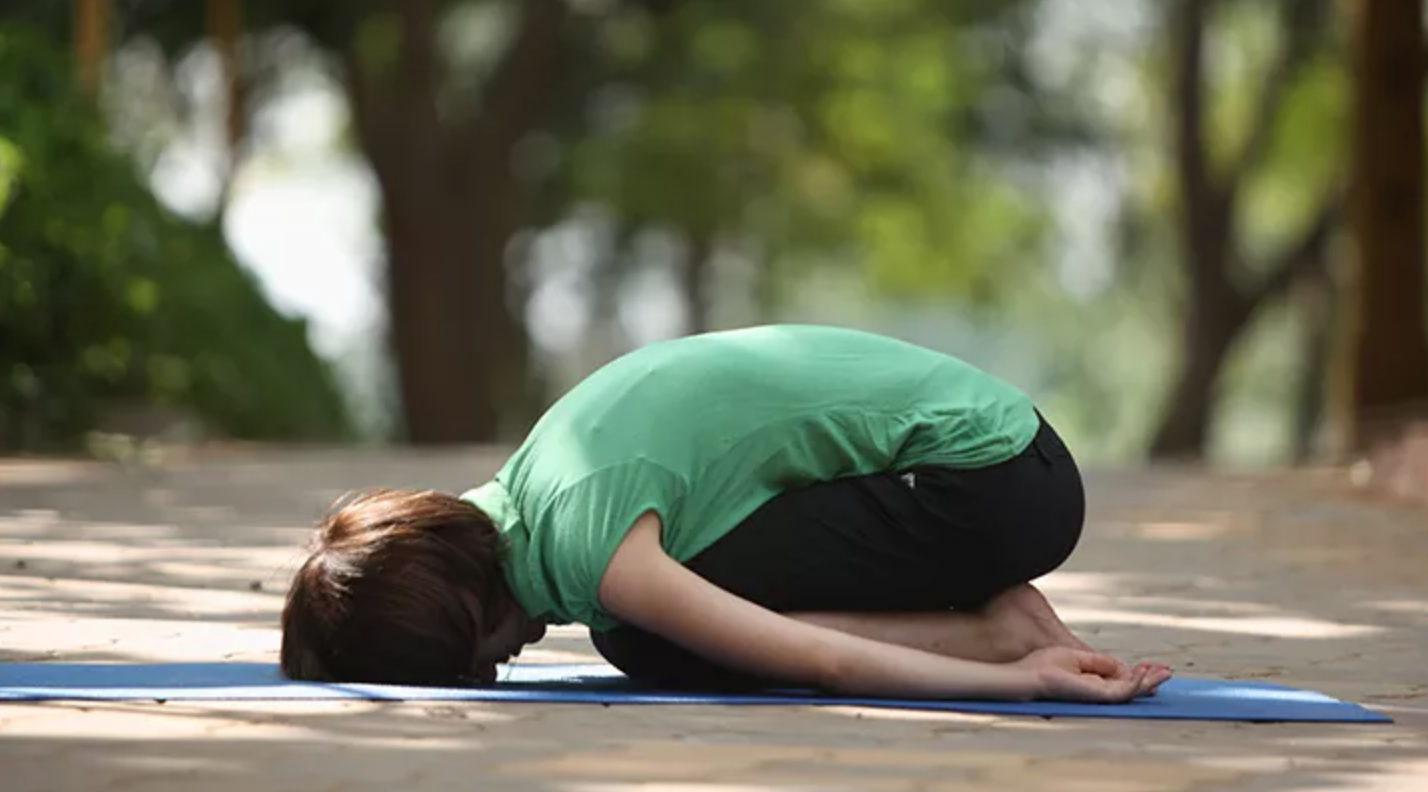
Consider this pose as your reset moment. It is a great place to take a breather during class if you need one.
How to do it:
- From cat-cow pose, lower your butt to your heels as you bring your chest toward the floor over your knees.
- Lower your shoulders and head to the floor.
- Place your arms along your sides, palms down, or support your head by folding your arms under your forehead. Breathe and relax for as long as you need.
3. Downward-Facing Dog (Adho Mukha Svanasana)
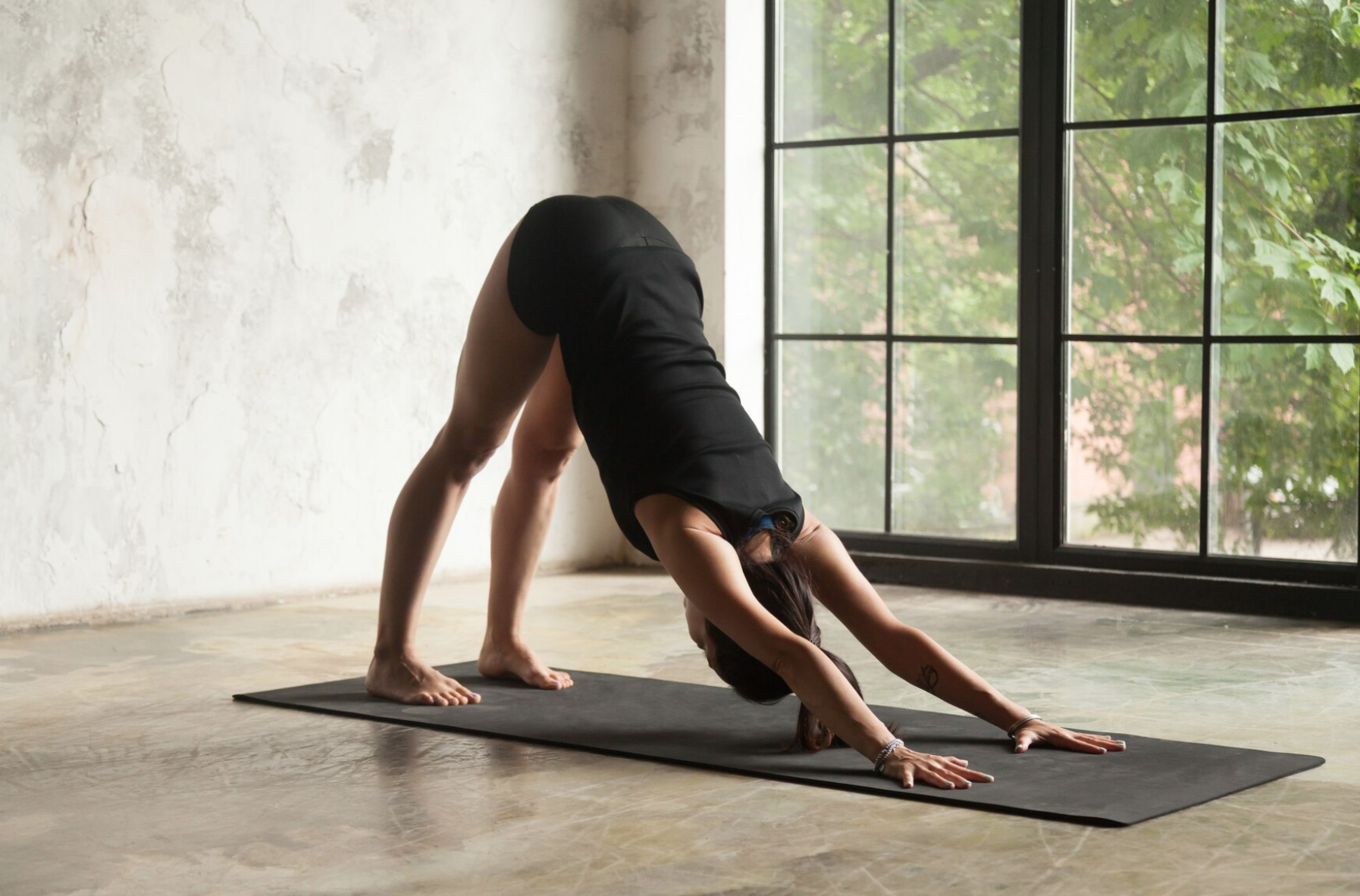
One of the most recognizable and popular poses of the bunch with lots of strength-building benefits.
How to do it:
- Start on all fours. Place your hands slightly in front of your shoulders.
- Exhale as you lift your knees off the ground and lift your hips toward the ceiling, forming an inverted V-shape.
- Push the top of your thighs back and stretch your heels down toward the floor. Keep your head down between your upper arms.
- If you notice your lower back rounding, try bending your knees to help lengthen your back.
4. Bound Angle Pose (Baddha Konasana)
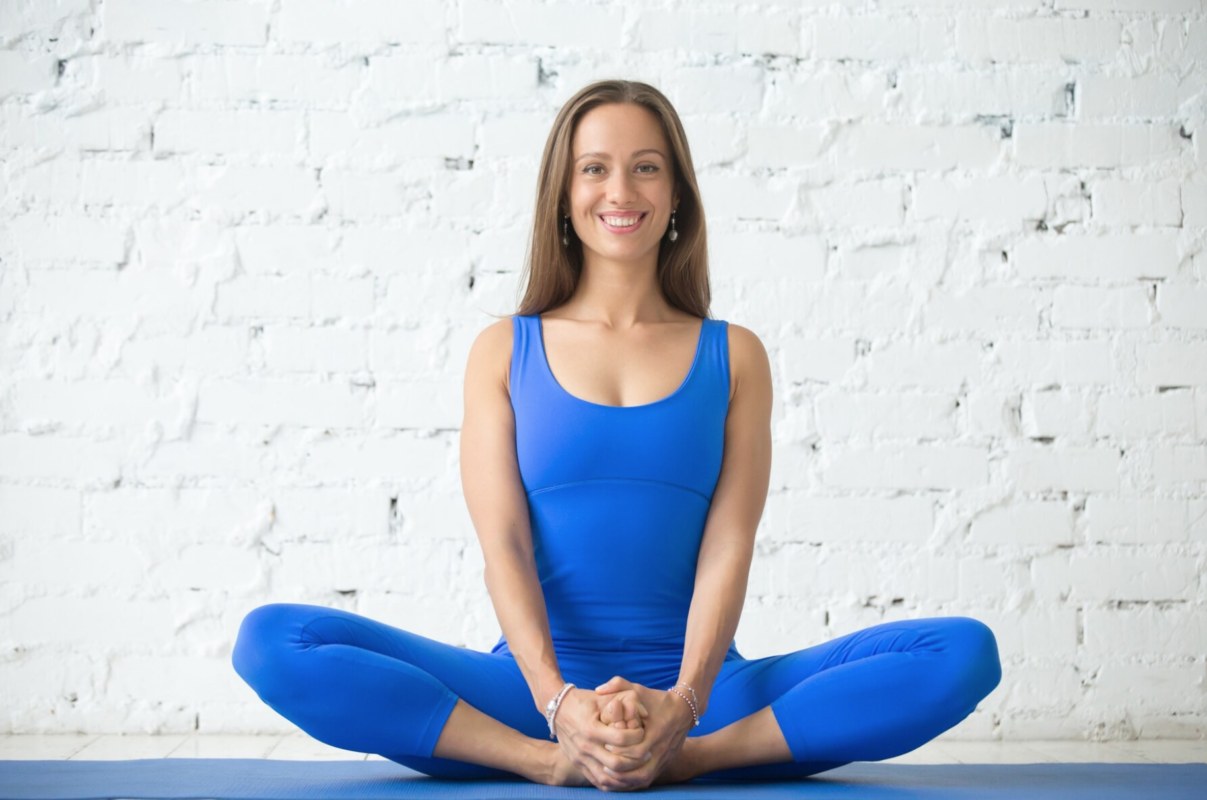
This pose is popularly known as Butterfly Pose due to the movement of the legs, which gives the appearance of a butterfly flapping its wings.
How to do it:
- Sit comfortably with your legs stretched in front of you.
- Fold your knees and bring your feet closer to your pelvis with the soles touching each other.
- Sit straight, hold your feet with your hands, and breathe. You can gently flap your knees like a butterfly.
5. One-Legged Forward Bend (Janu Shirasana)
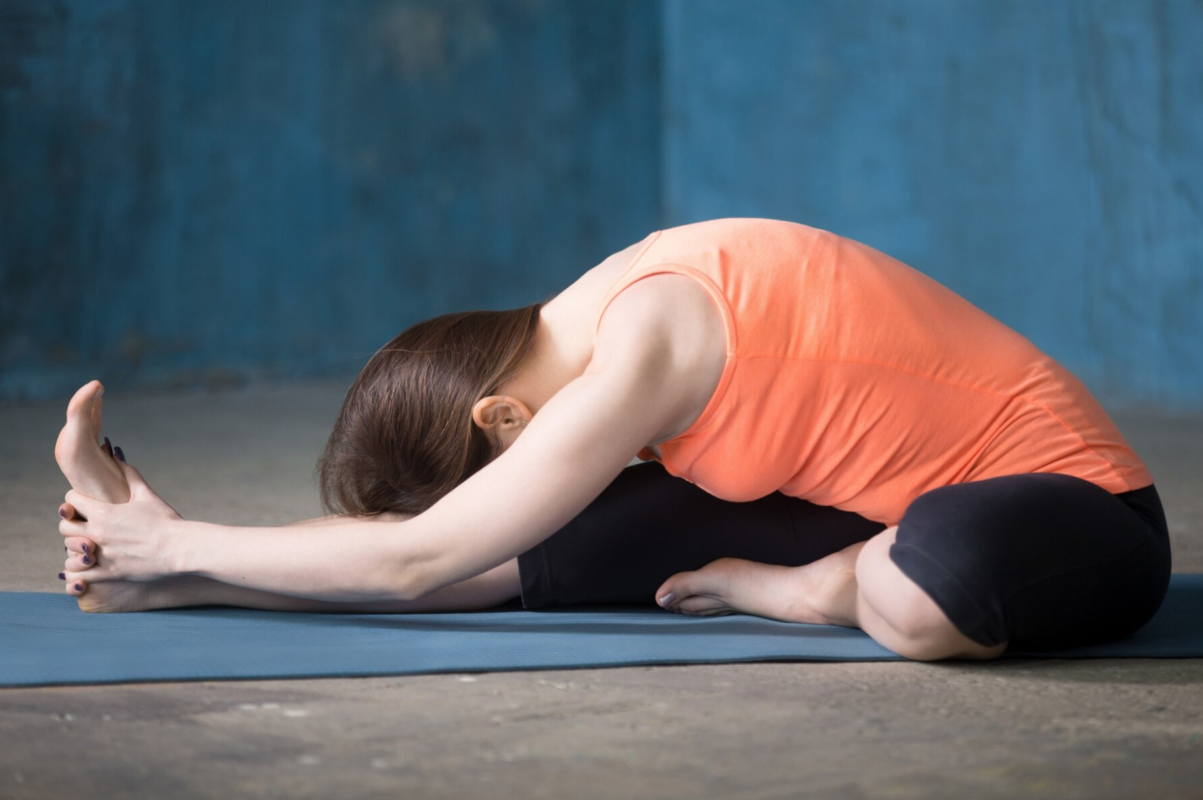
An excellent pose for practitioners of all levels. The pose provides a full-body stretch and provides a mild spinal twist.
How to do it:
- Sit with your legs stretched out straight in front of you.
- Bend your left knee and place your left foot against your right thigh, keeping your left knee on the floor.
- Breathing in, raise both arms above your head and stretch up.
- Breathing out, bend forward from your hip joints, keeping the spine straight, and reach for your right foot. Hold for a few seconds.
- Breathing in, come up, and bring your arms down. Repeat on the other side.
6. Mountain Pose (Tadasana)
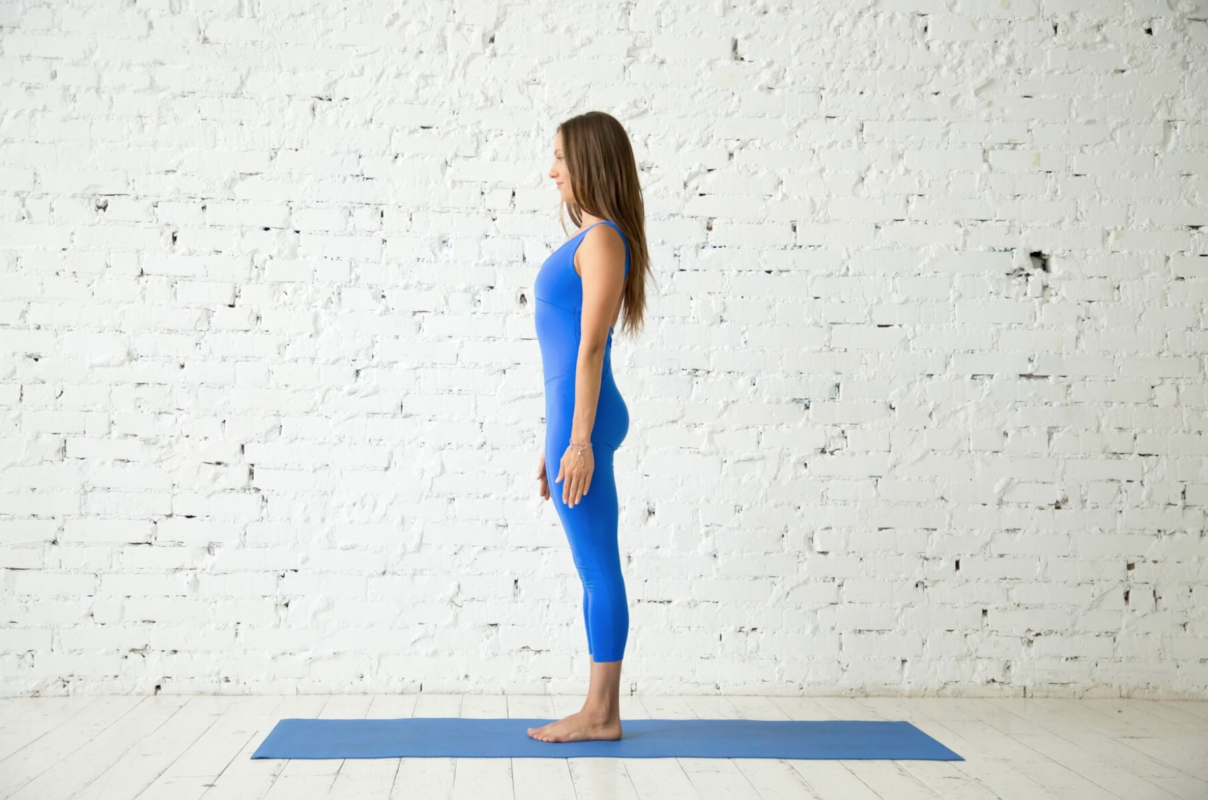
Considered the mother of all yoga poses, this pose is the foundation for many other positions that require awareness and balance.
How to do it:
- Stand with feet together and arms at your side. Ground your feet, pressing all four corners into the ground.
- Straighten your legs, tuck your tailbone in, and engage your thigh muscles.
- As you inhale, elongate through your torso. Exhale and release your shoulder blades down your back.
7. Angle Pose (Konasana)
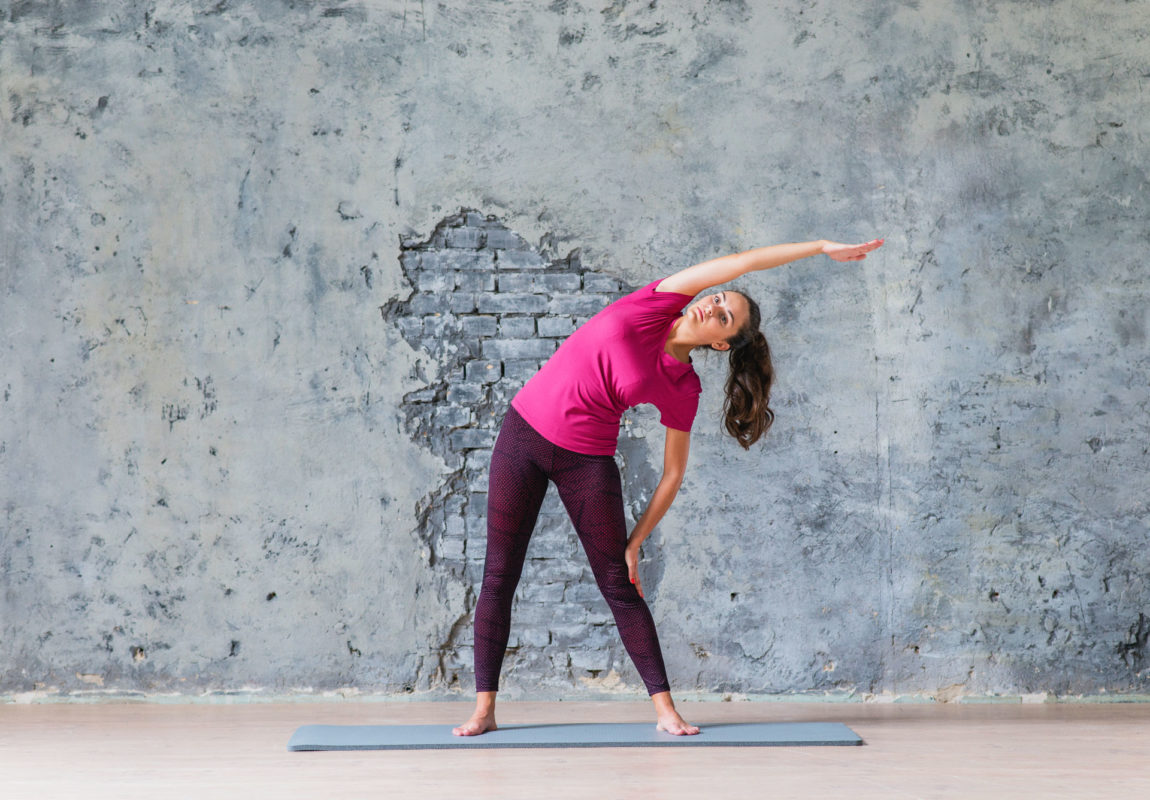
Feeling stiff and sore after a long day? Get a good stretch throughout your body and relieve back pain with this easy side bend.
How to do it:
- Stand straight with feet hip-width apart.
- Breathing in, raise your left arm up. Breathing out, bend to the right, keeping your chest facing forward.
- Keep both knees straight and turn your head to look up at your left palm.
- Breathing in, straighten your body back to the center. Exhale as you bring the left arm down. Repeat on the other side.
8. Warrior I (Virabhadrasana I)
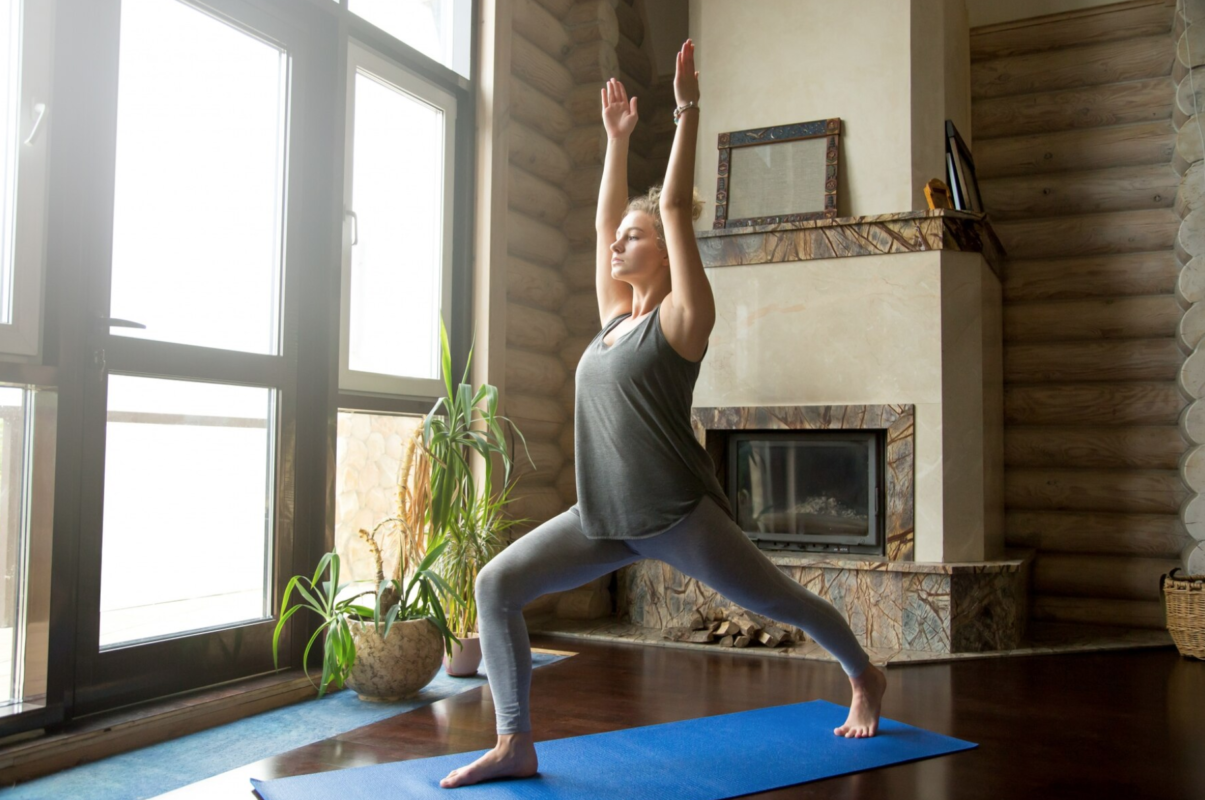
Channel your inner strength, courage, and poise with this dynamic posture!
How to do it:
- Start in mountain pose. Exhale and step your left foot back about four feet into a lunge position.
- Your right ankle should be over your right knee. Turn your left foot about 90 degrees.
- Raise your arms straight overhead, biceps by your ears.
- Expand your chest, pull your shoulders back, and make sure your hips stay square to the front as you breathe.
9. Full Yogic Breath (Pranayama)
A simple deep breathing technique that offers many profound benefits by revitalizing the entire body.
How to do it:
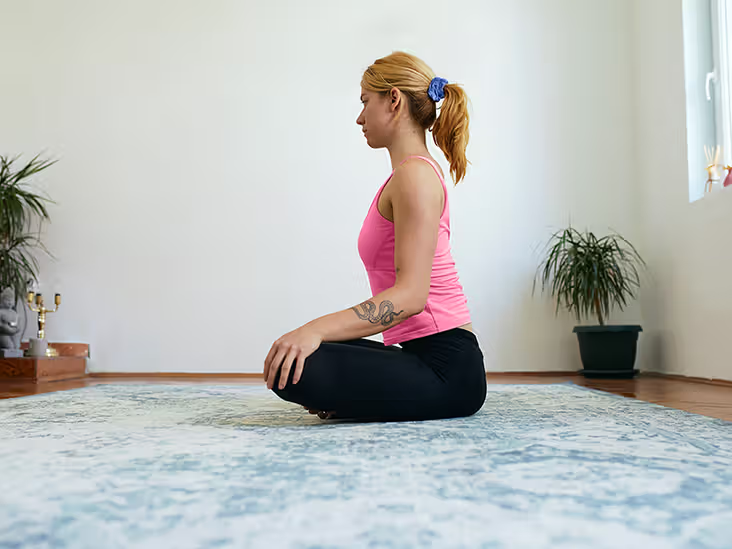
This is a combination of belly breathing, chest breathing, and clavicular (collarbone) breathing. Sit comfortably with a straight spine.
- Breathe into your belly, allowing it to expand like a balloon.
- Continue the inhale, filling your chest and rib cage.
- Finally, sip in a little more air to fill the very top of your lungs around the collarbones.
- Exhale slowly in reverse: from the collarbones, then the chest, and finally contracting the belly.
10. Corpse Pose (Savasana)
Always spare 5-20 minutes for relaxation after your asana practice. This resting pose prepares the nervous system to absorb the effects of all the yoga postures performed.
How to do it:
- Lie down flat on your back with your legs slightly apart and your arms resting alongside your body, palms facing up.
- Close your eyes and allow your body to feel heavy on the mat.
- Bring your attention to your breath, but don’t try to control it. Simply observe.
- Relax every part of your body, from your toes to the crown of your head. Stay here for at least 5 minutes.