Exercise Guide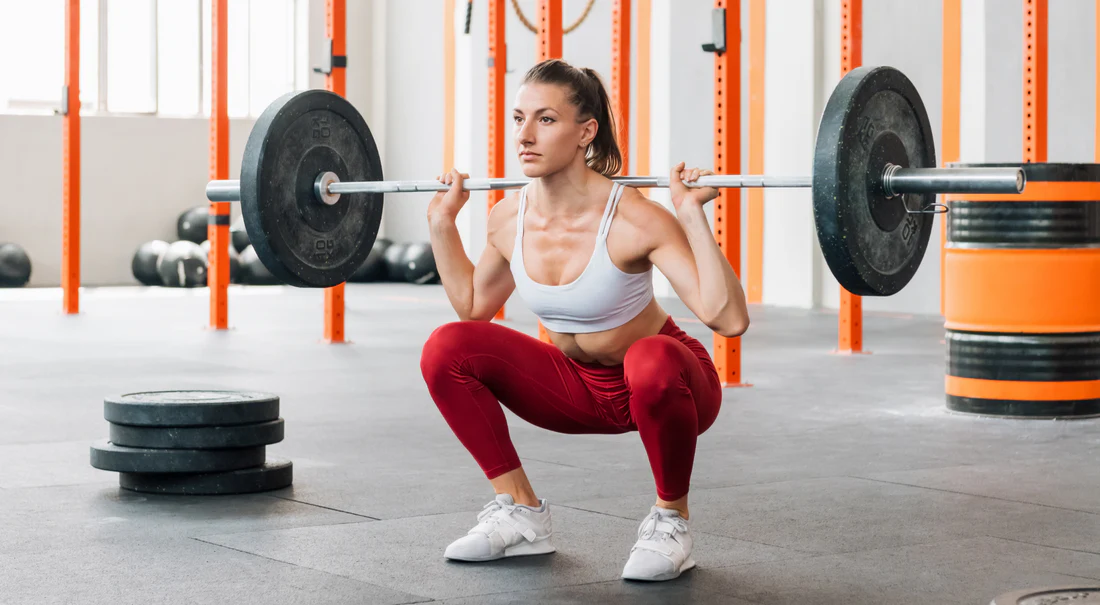
Ready to elevate your workout routine? Meet the overhead press — a classic move that works the deltoids, triceps, upper pecs, and core. (This text seems to be from a different article, so I will start with the squat-related intro.)
A gym session would hardly be complete without some squats. With so many variations, today you’ll learn to master one of the most effective: the front squat. This guide covers proper form, benefits, variations, and safety tips to maximize gains and minimize injury risks.
What is a Front Squat?
The front squat is a compound exercise that, like all squat variations, primarily targets the lower body. However, its defining feature is the placement of the weight. Instead of resting the barbell on your upper back (as in a back squat), the bar rests across the front of your shoulders (anterior deltoids). This forward load forces your torso to remain much more upright, which dramatically increases the demand on your core and quadriceps.

Benefits of Front Squats
The front squat is a cornerstone exercise with a roster of rewards:
- Builds Serious Quadriceps: The upright torso places a greater emphasis on the quads, making it one of the best exercises for building thigh muscle (hypertrophy).
- Strengthens the Core: To keep from falling forward, your entire core (abs, obliques, and spinal erectors) must fire intensely to keep your spine straight.
- Improves Posture: This exercise actively trains the upper back muscles (traps and rhomboids) to stay extended and strong, which directly translates to better posture in daily life.
- Boosts Bone Health: As a heavy, repetitive resistance exercise, it helps increase bone density.
- Develops Glute Strength: While quads are the star, the glutes are still heavily involved in extending the hips from the bottom of the squat.

What Muscles Are Worked?
Although most squats are a lower-body move, the front squat recruits a significant amount of the upper body for stabilization.
[Image of an anatomical diagram showing the muscles worked in a front squat]
- Primary Movers: Quadriceps (quads), Gluteus Maximus (glutes).
- Stabilizers & Synergists: Core (Rectus Abdominis, Obliques), Spinal Erectors (lower back), Upper Back (Rhomboids, Trapezius), Shoulders (Deltoids).
How to Do a Front Squat
Mastering the front squat begins with the setup, especially the grip, which can be tricky for beginners. Here is a step-by-step guide.
Step 1: Choose Your Grip
There are two main ways to hold the barbell. Choose the one that works best for your wrist and shoulder mobility.
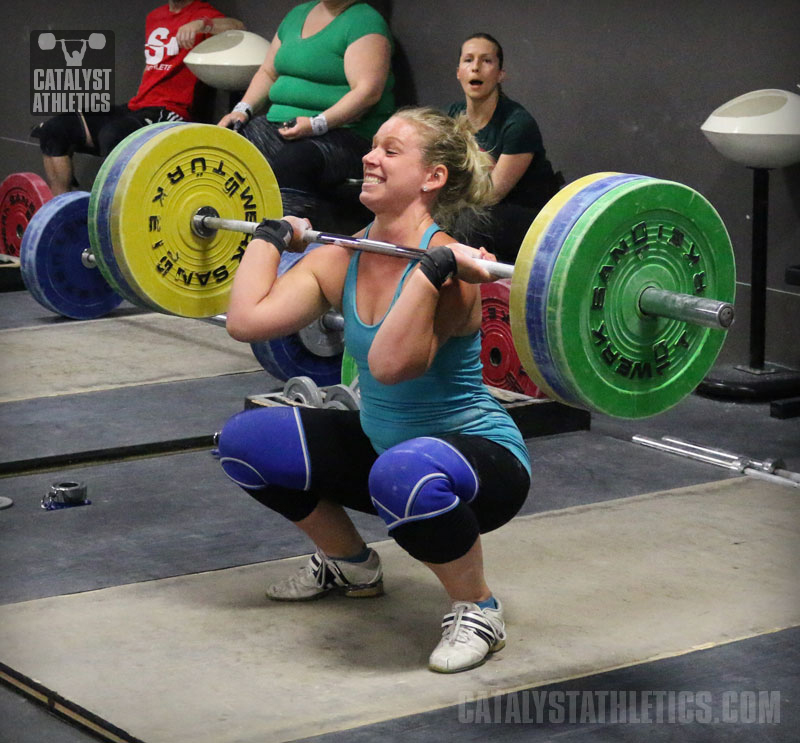
Option 1: The Clean Grip (Olympic Grip)
This is the standard, most stable grip, but it requires good wrist, shoulder, and lat flexibility.
- Approach the bar in the squat rack (set at shoulder height).
- Place your hands just outside shoulder-width on the barbell.
- Drive your elbows forward and up, rotating them *under* the bar.
- The bar should roll back so it rests comfortably in the groove of your front shoulders, lightly touching your clavicles and neck.
- Keep your elbows high (parallel to the floor). The bar is held in place by your shoulders; your fingertips are just there to balance it.
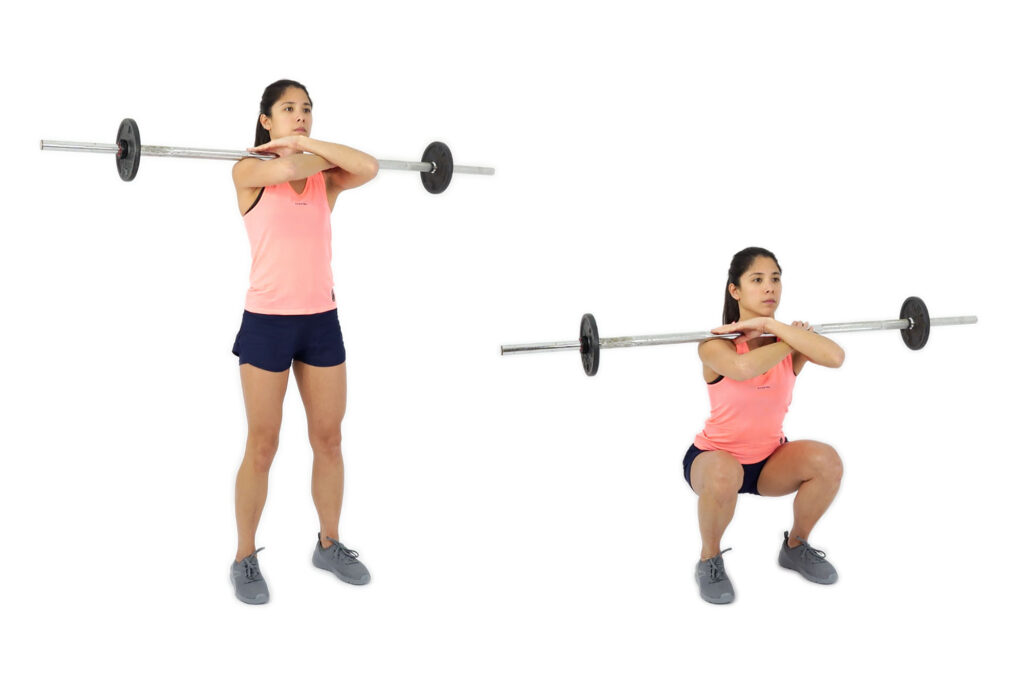
Option 2: The Cross-Arm Grip (Bodybuilder Grip)
This is a great modification for those with limited wrist or shoulder mobility.
- Approach the bar and cross your arms in an “X” shape.
- Place your hands on the opposite shoulders.
- Step under the bar so it rests in the groove of your shoulders, behind your hands.
- Lift your elbows up high to create a stable “shelf” for the bar.
Step 2: The Execution (The Squat)
- The Set-Up: Once the bar is secure on your shoulders, lift it off the rack. Take 2-3 steps back and set your feet about hip-width apart, toes pointed slightly out.
- Brace Your Core: Before you descend, take a deep breath in and brace your core as if you’re about to be punched in the stomach. Keep your chest up and elbows high.
- The Descent: Push your hips back slightly and bend at the knees, lowering your body as if sitting down between your heels. Keep your torso as upright as possible.
- Hit Depth: Go down until your thighs are at least parallel to the floor, or as low as your mobility allows while maintaining a straight spine.
- The Ascent: Drive forcefully through your heels to return to the starting position. Exhale as you push up. Squeeze your glutes at the top to complete the rep.
Common Front Squat Mistakes (and How to Fix Them)
Mistake: Dropping Your Elbows
The Problem: As you get tired, your elbows will start to drop. This causes the bar to roll forward, rounds your upper back, and puts you in a position to fail the lift or get injured.
The Fix: Actively think “elbows up” throughout the entire lift. This keeps your chest high and your upper back tight, providing a solid shelf for the bar.
Mistake: Leaning Too Far Forward
The Problem: Your hips shoot up faster than your chest, turning the movement into a “good morning” squat. This puts excessive strain on your lower back.
The Fix: Keep your core braced and focus on leading with your chest, not your hips. Gazing straight ahead (not down) can help you maintain an upright posture.
Mistake: Letting Your Knees Cave In
The Problem: Your knees drift inward as you push up from the bottom. This (known as knee valgus) puts dangerous stress on your knee ligaments.
The Fix: Actively think about “pushing your knees out” or “spreading the floor” with your feet. This engages your hip abductors and glutes, keeping your knees safely aligned over your toes.
Mistake: Putting Weight on Your Toes
The Problem: Your heels lift off the floor as you squat down, putting all the pressure on your toes and knees. This is often due to poor ankle mobility.
The Fix: Focus on keeping your weight evenly distributed across your whole foot. Think about “pushing through your heels.” You can temporarily place small weight plates under your heels to help, but you should also work on ankle flexibility.
Reps, Sets, and Weights
It’s best to start with lighter weights (or even just the empty barbell) to master the form, as the front squat is technically demanding. Working with a personal trainer or spotter is smart when starting out.
- For Beginners: Aim for 3-4 sets of 8-12 repetitions. Focus entirely on form.
- For Strength: Work in a lower rep range, such as 3-5 sets of 5 reps, with a heavier weight.
- For Muscle Growth (Hypertrophy): Aim for 3-4 sets of 8-12 reps, feeling challenged on the last 1-2 reps of each set.
Takeaway
The front squat is a fantastic compound exercise that builds serious strength in your quads and core, all while improving posture. It’s a challenging move, but mastering it pays huge dividends. Since it can be tricky for newbies, start light, focus on your form, and consider working with a professional to get started.