Exercise Guide
Most people focus on visible muscles like abs or arms, often overlooking the vital pelvic floor. Kegel exercises, simple contractions of these deep core muscles, offer significant benefits for both men and women, impacting bladder control, core stability, and even sexual health. This guide covers everything you need to know to perform Kegels correctly and reap their powerful rewards.
What Are Kegel Exercises?
Kegel exercises involve repeatedly contracting and relaxing the pelvic floor muscles – the hammock-like muscles supporting your bladder, bowel, and sexual organs. Strengthening this area improves muscle control, stability, and overall function.

Weak pelvic floor muscles, caused by factors like aging, pregnancy, childbirth, surgery, or chronic sitting, can lead to issues like urinary incontinence, reduced sexual satisfaction, or pelvic organ prolapse (in women). Kegels offer a safe, non-invasive way to prevent or address these problems.
The best part? Kegels require no equipment and can be done discreetly anytime, anywhere.
Kegel Exercises for Males
Kegels offer significant benefits for men by targeting the muscles supporting the bladder, bowel, and sexual organs.
Benefits for Men:
- Improved Bladder Control: Helps prevent urinary leakage, especially after prostate surgery or due to aging.
- Enhanced Sexual Performance: Strengthens muscles involved in erection and ejaculation. This can lead to:
- Stronger, firmer erections due to improved blood flow.
- Better control over ejaculation, potentially helping with premature ejaculation.
- More intense orgasms.
- Increased Core Stability: Contributes to overall core strength and can help alleviate lower back pain.
Do Male Kegels Increase Size? No, Kegels do not physically increase penis size. However, by improving erection quality and firmness, they can enhance perceived size and sexual function.
Kegel Exercises for Females
Kegels are particularly important for women, strengthening the muscles that support the bladder, uterus, and rectum.

Benefits for Women:
- Improved Bladder Control: Reduces or prevents stress incontinence (leakage when coughing, sneezing, or laughing) and urge incontinence.
- Support During and After Pregnancy: Helps prepare for labor, reduces risk of tearing, speeds postpartum recovery, and prevents pelvic organ prolapse.
- Enhanced Sexual Health:
- Increases vaginal tightness and muscle tone.
- Improves natural lubrication.
- Leads to stronger, more intense orgasms.
- Increases sensation during intercourse.
- Core Stability: Supports the lower back and pelvis.

How to Do Kegel Exercises Correctly (For Men & Women)
Step 1: Identify the Right Muscles
- The easiest way is to try stopping the flow of urine midstream. The muscles you use are your pelvic floor muscles. Important: Do this only once to identify the muscles; don’t make it a regular practice during urination as it can potentially lead to urinary issues.
- Alternatively, imagine trying to stop yourself from passing gas. The muscles you tighten are the correct ones.
Step 2: Get Comfortable
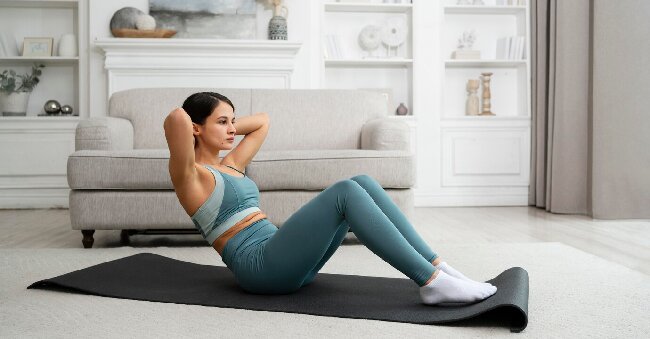
- You can do Kegels lying down, sitting, or standing. Beginners often find it easiest lying down with knees bent and feet flat on the floor.
- Ensure your bladder is empty before starting.
- Relax your abdomen, thighs, and buttocks. Focus only on the pelvic floor.
Step 3: Contract and Hold
- Tighten (squeeze and lift) your pelvic floor muscles.
- Hold the contraction for 3-5 seconds initially. Breathe normally during the hold – don’t hold your breath.
Step 4: Relax Completely
- Slowly release the contraction and relax the muscles completely for 3-5 seconds (or for the same duration as your hold). Full relaxation is crucial for muscle recovery.

Step 5: Repeat and Progress
- Aim for 10-15 repetitions per set.
- Perform 2-3 sets per day.
- As you get stronger, gradually increase the hold time (up to 10 seconds) and relaxation time accordingly.
Common Mistakes to Avoid:
- Tightening your abs, thighs, or buttocks instead of the pelvic floor.
- Holding your breath during the contraction.
- Doing too many reps too soon, leading to muscle fatigue.
- Not relaxing fully between contractions.
Kegels During Pregnancy
Kegels are highly recommended during pregnancy and postpartum.
- Benefits: Strengthens muscles to support the growing uterus, prepares for labor, reduces risk of incontinence during and after pregnancy, promotes healing postpartum.
- How to do: Perform gentle contractions while seated or lying down. Focus on relaxation between reps and avoid holding your breath. Pelvic tilts combined with Kegels can also be beneficial in the third trimester.
- Important: Always consult your doctor or midwife before starting any new exercise routine during pregnancy.

Frequently Asked Questions (FAQs)
How long does it take to see results from Kegels?
Most people notice improvements in bladder control or muscle strength within 4-6 weeks of consistent daily practice. Significant changes may take up to 3 months.
Can I overdo Kegel exercises?
Yes, overtraining can cause muscle fatigue or tension. Stick to the recommended sets and reps, and ensure you relax fully between contractions. Quality over quantity is key.

What’s the best time of day to do Kegels?
Anytime! The convenience is a major benefit. Integrate them into your routine – while commuting, sitting at your desk, watching TV, or before bed.
Do Kegel devices or weights help?
They can. Devices like Kegel weights or biofeedback trainers can help ensure you’re using the correct muscles, provide resistance for faster strengthening, and help track progress. However, they are not necessary to get results.
Kegel exercises are a simple yet profoundly effective tool for improving pelvic floor health, bladder control, core stability, and sexual function for both men and women. By incorporating this discreet exercise into your daily routine and practicing consistently with proper technique, you can achieve significant long-term benefits for your health and confidence.