Exercise Guide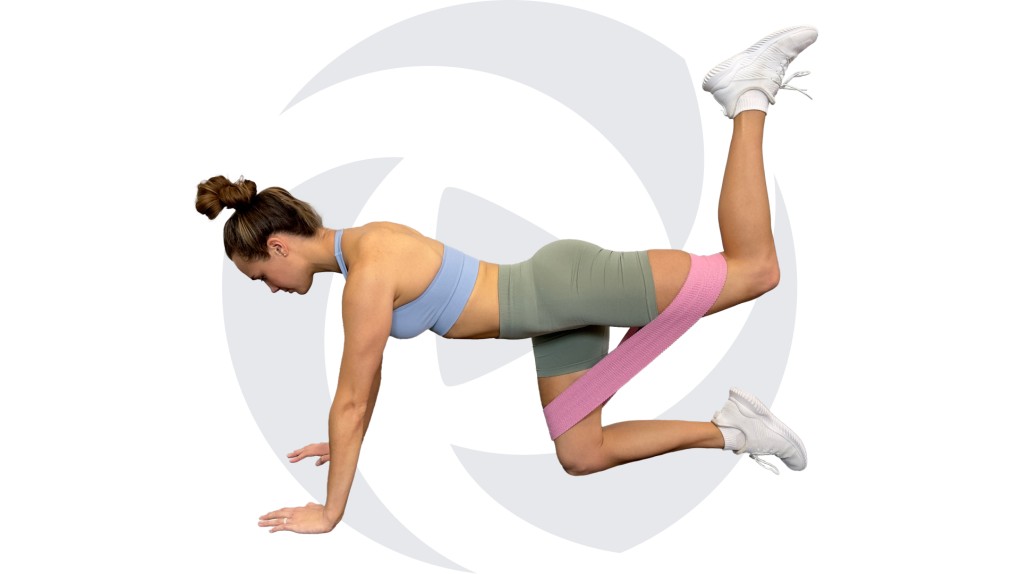
I’m excited to share one of my low-impact glutes workout. Despite my piriformis syndrome and hip pain history, I love training glutes. If you have piriformis syndrome or suffer from hip and lower back pain and struggle to get a good leg or glutes workout, I’m sure you can appreciate a workout you can actually do that doesn’t trigger intense pain.
The exercises will focus on the glutes and hamstrings. And of course, the core will be working throughout.
1 – Tips To Avoid Piriformis & Lower Back Compensation
- To avoid piriformis and lower back compensation, make sure your feet always point forward. During the bridge and the lunge exercise specifically.
- The piriformis loves to kick in to compensate for weak glutes. And when we lose focus, we start to rush through the repetitions. Think about your form and keeping things tight while you’re working.
- During the deadlift exercise, pull your lats down, and brace your core.
- Bend over by pushing your hips back as you bend at the knees. Feel the tightness in the hamstrings and keep your back straight. Don’t keep bending more if you can’t push your hips backward more, as it’ll just make your back round.
- Whether lifting light or heavy weights, you always want to brace your core and follow good form, especially the deadlift exercise.

2 – Low-Impact Glute Workout Tips
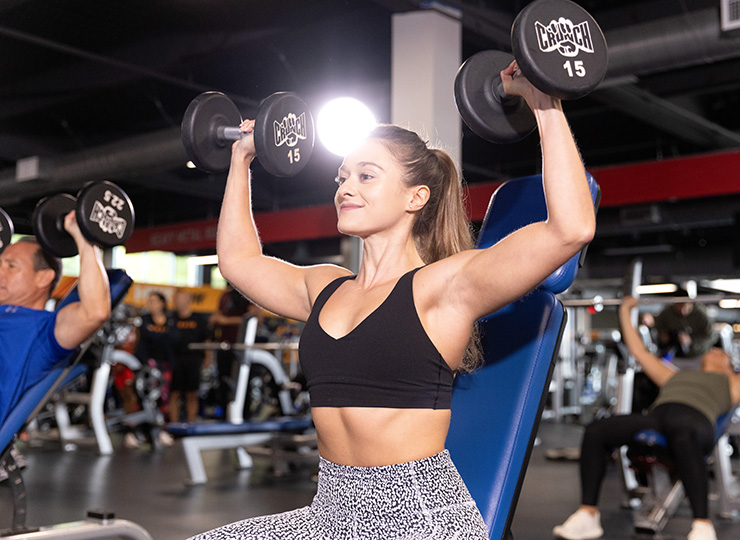
- Use weights that feel light to you. If you are up for a challenge, increase by 5-10 lbs but be careful not to trigger pain.
- Drop the weights at any time and continue with your body weight if you feel any nerve pain or muscle spasms in the glutes area. It’s always a good idea to stop early before things get worse.
- The lunge to reach exercise will demand some balance—core tight. Don’t focus on the back leg going higher or lower. Focus on the front leg and getting that hamstring stretch.
- We’ll be doing 40 seconds of work and taking a 30-second break.
- Please pause if you need extra rest. It’s essential to modify the workout to where you’re at. If you easily trigger piriformis pain, take longer rests and do slower repetitions.
The Workout Exercises
Bodyweight Lunges (L/R)

- Complete bodyweight stationary lunges.
- Ensure your knee doesn’t rotate inward or travel past your foot.
- Keep your core engaged, think about the working leg, and keep the glute fully engaged. If you feel that going too low is challenging for the piriformis, lower as far as you can.
Weighted Lunges (L/R)

- Follow the same instructions as the bodyweight lunges.
- Choose light-medium weights.
- Drop the weights and continue with your body weight whenever you feel that you’re sacrificing form.
Romanian Deadlifts x 3 Sets

- Start with your feet shoulder-width apart.
- Engage your core.
- Keep your back straight and your knees pointing straight.
- Breathe deeply and hinge at the hips.
- Focus on bringing your hips backward.
- You should feel your glute, hamstrings, and core working.
Bridges – Banded

- Place a band around your thighs to activate the glute med.
- Slightly rotate your feet out to engage the piriformis with the glute max.
- Slowly lift your hips while maintaining core engagement.
- Slowly lower your hips. Focus on the full contraction and pause there for a second.
Bridges – Weighted

- Place a dumbbell on your hips. Secure it with your hands, so it doesn’t roll back.
- Perform the bridge exercise. Focus on the full contraction. Make sure you keep your core engaged for support and protect your lower back.
Bodyweight 1/2 Rep Bridges

- Repeat the dumbbell bridge exercise. Only this time, lower halfway and push back up again.
- This is a great finisher exercise. Of course, take a break and drop down at any time.
Lunge Reach
- Complete a bodyweight lunge.
- Lift the back leg. Focus on hinging at the hips and reaching with your hands towards the floor.
- You should feel a nice hamstring stretch and your quads working extra.
- Don’t focus a lot on the back leg. It’s not meant to be working much here.
- Stay low when you reach down and start to come out of the exercise. Transition from the lunge to the reach and back to the lunge. This will put your muscles under more tension.

Calf Raises – Bodyweight
- Keep your feet pointing forward.
- Keep your core and glutes tight here for balance.

Calf Raises – Weights
Grab the weights and complete another set of calf raises.

3 – Self-Myofascial Release & Gentle Stretches
Grab your foam roller and roll your hip flexors to release any psoas, quad tightness, and hamstrings. If you feel a tight tender spot, put pressure on it for 10-20 seconds. After you foam roll your hip flexors, calves, and hamstrings, you can do some gentle piriformis stretches at the end.