Exercise Guide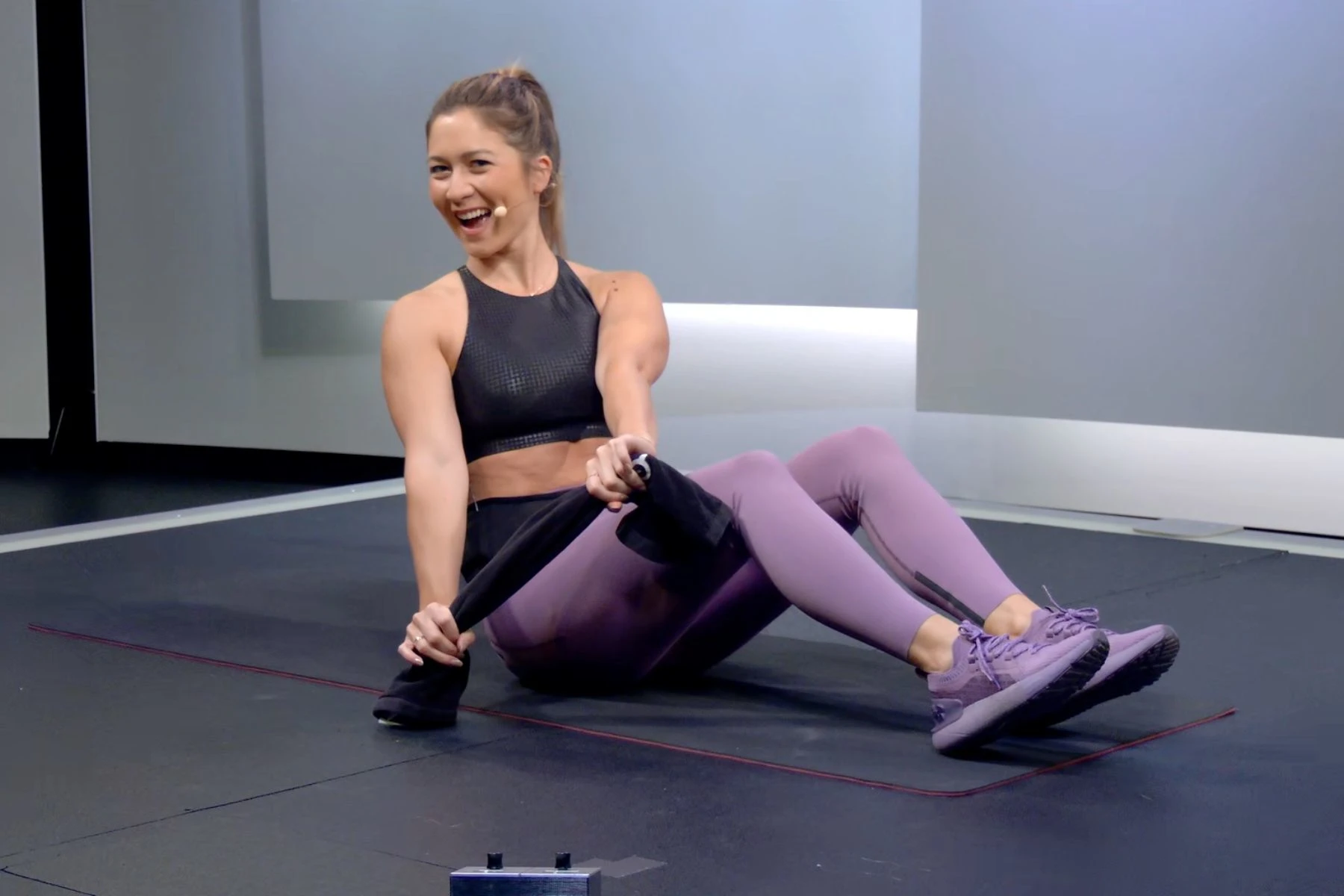
Discover the benefits of the Russian twist, a versatile core exercise that targets your abs and obliques. Learn how to perform it safely, avoid common mistakes, and explore variations to keep your workouts fresh and effective.
Why Add the Russian Twist to Your Routine?
For those who understand the importance of core muscles in daily life, classic old planks and sit-ups can quickly get stale. The Russian twist targets the same muscles (and more!) while leaving wiggle room for plenty of variants and further progressions. It’s an excellent move for building rotational strength and defining the obliques (the muscles on the sides of your abs).
How to Do a Russian Twist (Standard)
Doing the standard Russian twist safely demands control and focus. Take it slow, concentrate on the form of each move, and work through every step at a steady pace.
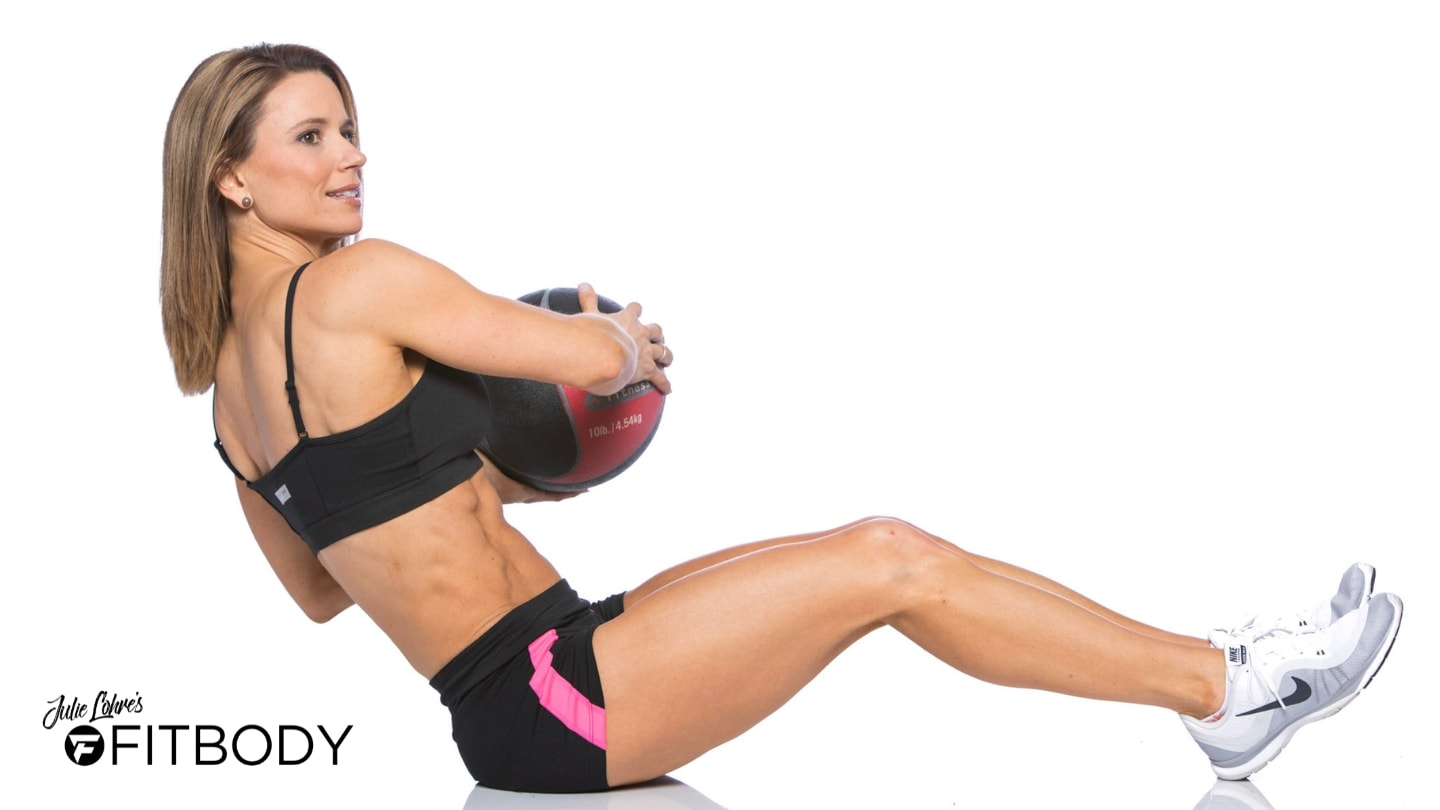
- Start Position: Begin sitting on the floor (use a mat for cushioning). Bend your knees and plant your feet flat on the floor.
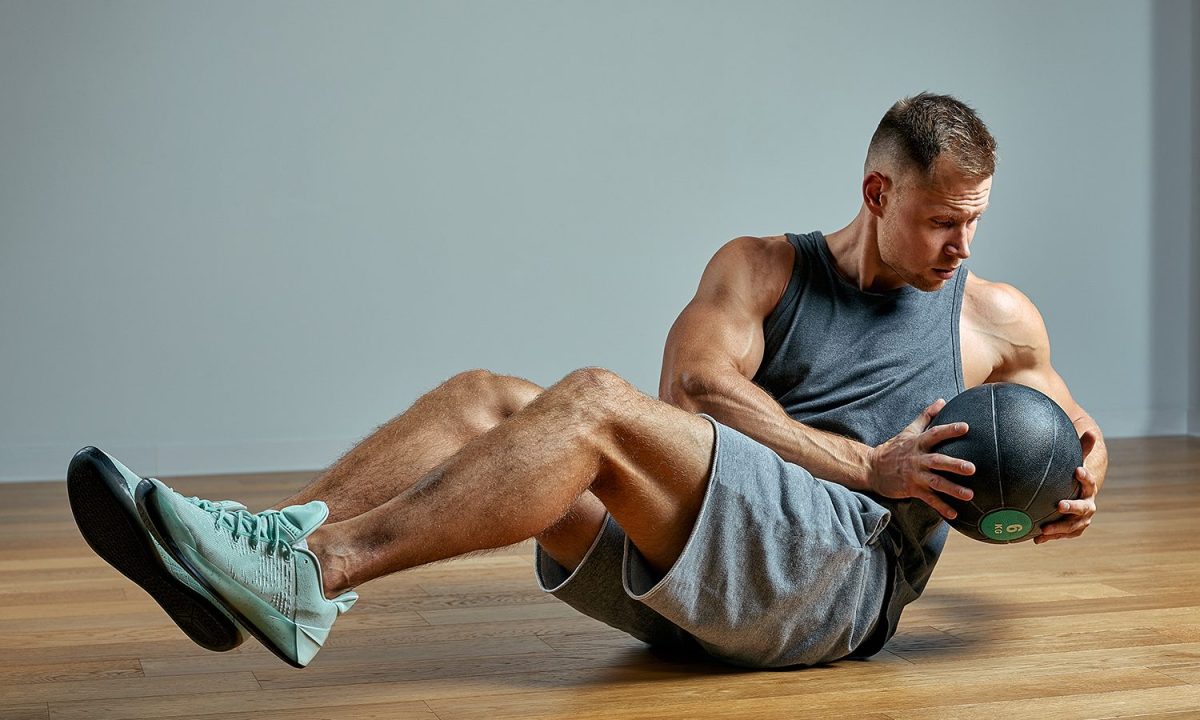
- Create the “V-Shape”: Lean your torso back to about a 45-degree angle. Lift your feet off the ground, keeping your knees bent. Your thighs and torso should form a V-shape. Engage your glutes to stabilize.
- Arm Position: Clasp your hands together and raise your arms out in front of you.
- The Twist: Moving slowly, rotate your entire torso (not just your arms) fully to the left. Hold for a beat.
- Rotate Back: Return to the center and then repeat the movement fully to the right. Hold for a beat.
- Repeat: Returning to the center completes one rep. Aim for 2–3 sets of 8–16 total reps (e.g., 4-8 reps per side).
Common Mistakes & How to Fix Them
Such a simple move hides a bunch of potential pitfalls. Some only cheat you out of the benefits, but others put you at greater risk of injury. Here’s how to dodge them:
Mistake: Slouching or Rounding Your Spine
The Problem: This puts a lot of dangerous strain on your lower back (lumbar spine).
The Fix: Keep your spine straight and long. Think “chest up, shoulders back.” If you can’t hold this position, keep your feet on the floor as a modification.
Mistake: Moving Too Fast (Using Momentum)
The Problem: You’re just swinging your arms, not using your core. This cheats the obliques and upper back out of doing any work.
The Fix: Move slowly and steadily. The rotation must come from your torso (your shoulders and rib cage should move), not just your arms.
Mistake: Not Breathing Correctly
The Problem: Holding your breath increases internal pressure and makes the move less stable.
The Fix: Regulate your breathing. Exhale as you twist to one side, and inhale as you return to the start position.
Mistake: Tucking Your Chin
The Problem: This can strain your neck.
The Fix: Keep your gaze fixed on your hands as they move. This helps your head and spine stay aligned, ensuring you rotate properly.
Russian Twist Variations
:upscale()/2015/08/24/876/n/1922729/9550fdc8_Seated-Russian-Twist.jpg)
Once you’ve perfected the basic move, you can try these variations to make it easier, harder, or just different.
Easier Variations / Alternatives
- Feet-Down Russian Twist: Perform the standard twist but keep your heels resting on the floor for extra stability.
- Kneeling Russian Twists: A great option if the standard move is too much for your back or hips. Kneel on a mat, lean your torso back to about 60 degrees, and twist from side to side.
- Heel Touches: Lie on your back with knees bent and feet flat on the floor. Lift your head and shoulders slightly. Reach your right hand to your right heel, then your left hand to your left heel. This works the obliques with less strain.
- Bird Dog: A yoga-based move. Start on all fours, then extend your left arm forward and your right leg back, holding for a beat. This builds foundational core strength.
Harder Variations
- Weighted Russian Twists: Hold a weight, medicine ball, or dumbbell at your chest. As you twist, tap the weight on the ground beside your hip.
- Cross-Leg Russian Twists: Perform the standard twist with your legs crossed, which can add a stability challenge. For extra complexity, alternate which leg is on top with each twist, without letting your feet touch the floor.
- Punching Russian Twists: Hold your hands at your chest in a “guard” position. As you twist to the left, exhale and “punch” your right arm across your body. Inhale back to center, then exhale and punch your left arm to the right.
- Decline Bench Russian Twists: Use a decline bench at the gym. Hook your feet under the pads, lean back, and twist. This secures your lower body and allows for a deep, controlled rotation.
Health Benefits of the Russian Twist
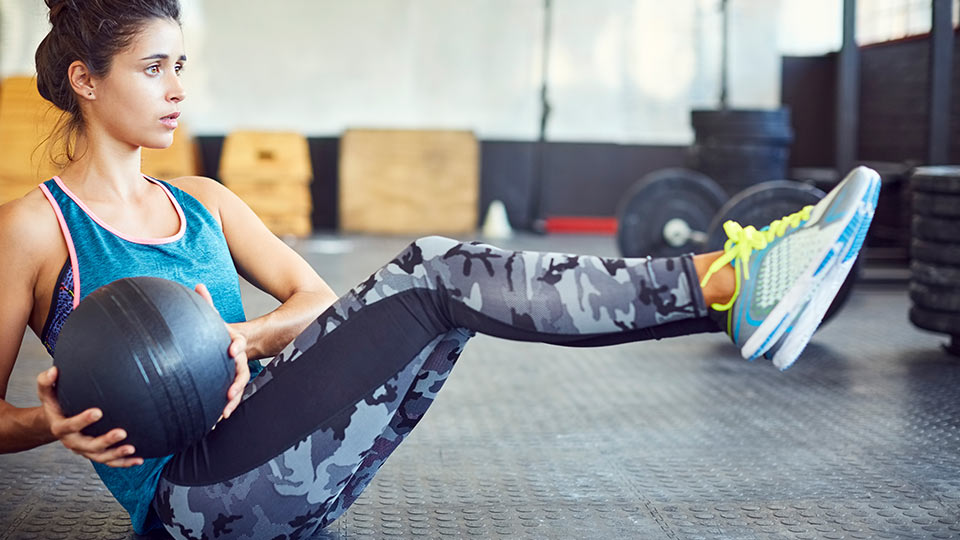
When done with perfect form, the Russian twist is a comprehensive core exercise that works multiple muscle groups:
- Obliques (Side-front muscles): These are the primary target, responsible for the twisting motion.
- Rectus Abdominis (Core muscles): Your “six-pack” muscles work to keep you stable in the V-shape.
- Transverse Abdominis (Deep core muscles): This deep muscle acts like a corset, protecting your spine.
- Hip Flexors: Engaged to help you hold your legs up.
- Erector Spinae & Lats (Mid-back muscles): These muscles work to keep your spine straight and stable.
Beyond just ab work, Russian twists improve rotational strength (essential for sports like golf or tennis) and promote good posture, helping to counteract the effects of a sedentary lifestyle.
How to Add Russian Twists to Your Routine
Russian twists require a decent amount of core strength to hold the “V” position. Beginners might want to start with the alternatives (like Heel Touches or Bird Dog) to build strength first.
If you’re adding twists into a standard workout, doing so two or three times weekly is a good start. If you regularly engage in activities that require rotational strength, you can aim for four times weekly.