Exercise Guide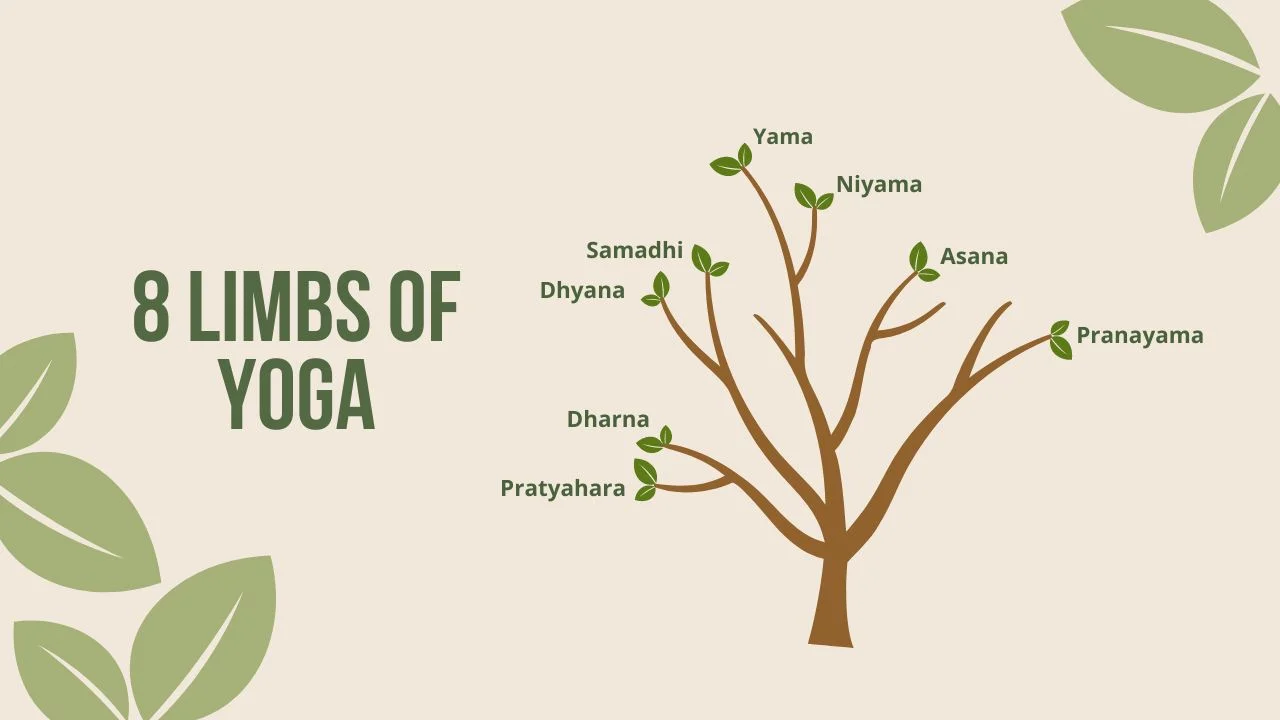
Yoga can be a solid physical and mental workout. But this ancient practice was designed to deliver even more goodness to the world than just yoga pants. The eight limbs of yoga first appeared around 250 BC in the book The Yoga Sutras of Patanjali. They were outlined as directives on how to live a meaningful life. Curious to dig into that wisdom? Here’s what you need to know.
What are the 8 Limbs of Yoga?
The eight limbs of yoga (also known as Raja Yoga) are a philosophical set of guidelines on how to live a meaningful and purposeful life. They include:
- Yama (Ethical Principles)
- Niyama (Self-Discipline)
- Asana (Poses)
- Pranayama (Breath Control)
- Pratyahara (Withdrawal of the Senses)
- Dharana (Concentration)
- Dhyana (Meditation)
- Samadhi (Bliss or Enlightenment)
An In-Depth Look at Each Limb
1 – Yama (Ethics / Moral Restraints)
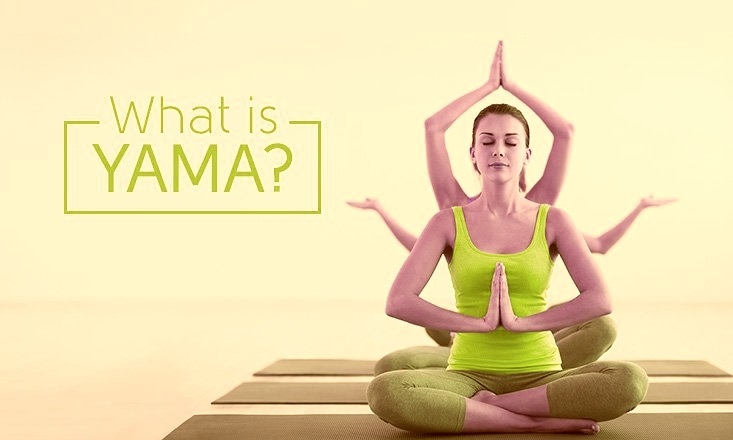
The first limb, Yama, refers to ethical principles and how we behave toward others and the world around us. These are the restraints.
-
- Ahimsa (Non-violence): Not just physical non-harm, but also non-harm in thought, word, and deed toward any living being.
- Satya (Truthfulness): Living truthfully in speech and action, communicating honestly but also kindly (linking to Ahimsa).
- Asteya (Non-stealing): Not taking anything that is not voluntarily given, including not stealing others’ time or ideas.
- Brahmacharya (Moderation / Right Use of Energy): Often translated as “celibacy,” but more broadly understood as moderation in all things, not misusing one’s energy, especially sexual energy.
- Aparigraha (Non-greed / Non-hoarding): Not coveting, not accumulating unnecessary possessions, and letting go of attachment to material things.
2 – Niyama (Self-Discipline / Personal Observances)

While Yamas focus on how we treat others, Niyamas focus on the rules of conduct toward ourselves. These are the principles of self-discipline.
-
- Saucha (Cleanliness): Maintaining cleanliness of the body (external) and mind (internal). This also includes eating clean and keeping one’s surroundings tidy.
- Santosa (Contentment): Cultivating contentment and acceptance of one’s current circumstances, finding happiness in what one has.
- Tapas (Discipline / Austerity): The “fire” of self-discipline. It is the persistence needed to burn away bad habits and build strength (both physical and mental).
- Svadhyaya (Self-study / Self-reflection): Self-reflection, self-questioning, and the study of sacred texts to better understand oneself and one’s place in the universe.
- Isvara Pranidhana (Surrender): Letting go of the ego and surrendering to a higher power, the universe, or a divine ideal.
3 – Asana (Poses)

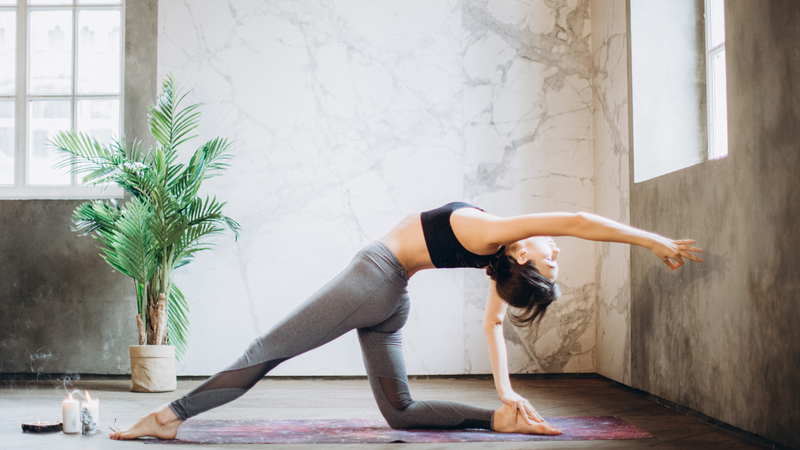
This is the most familiar limb for most Western yoga practitioners. Asana is the practice of physical yoga postures. In the Yoga Sutras, the original goal of asana was to prepare the body to be able to sit still comfortably for long periods of meditation. The poses help purify the body and build focus and endurance.
4 – Pranayama (Breath Control)
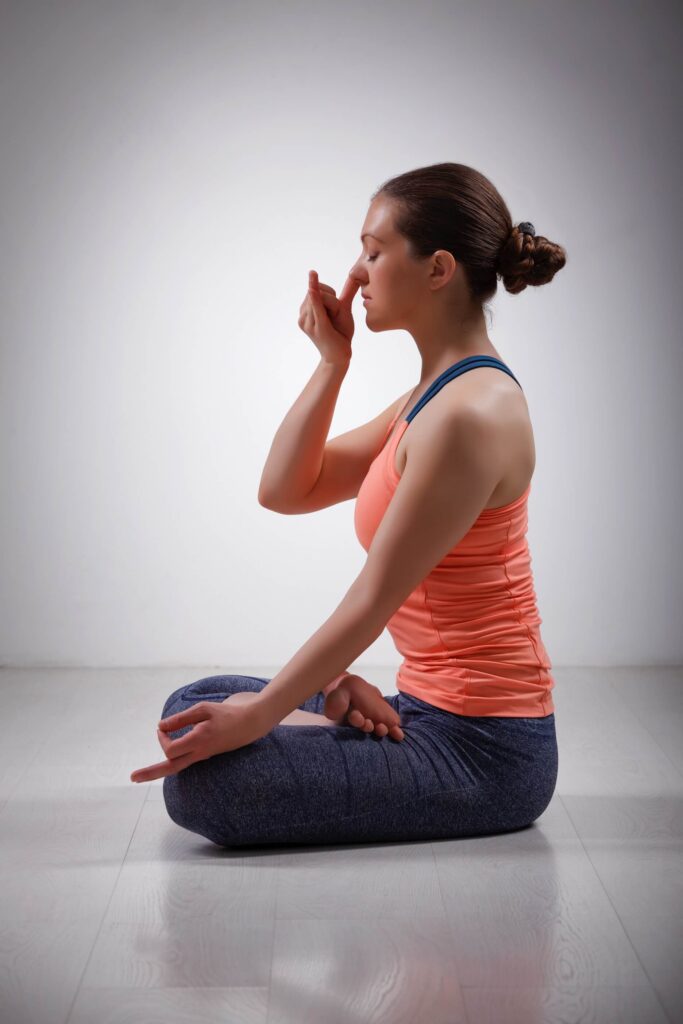
Pranayama translates to “life force extension” (prana means “life force” or “breath”). This limb is the practice of conscious breathing exercises to control the flow of prana in the body. Patanjali believed that by controlling the breath, we could calm the nervous system, quiet the mind, and prepare for the next stages of meditation. This is the bridge between the external limbs (like Asana) and the internal limbs (like Dharana).
5 – Pratyahara (Awareness / Withdrawal of Senses)
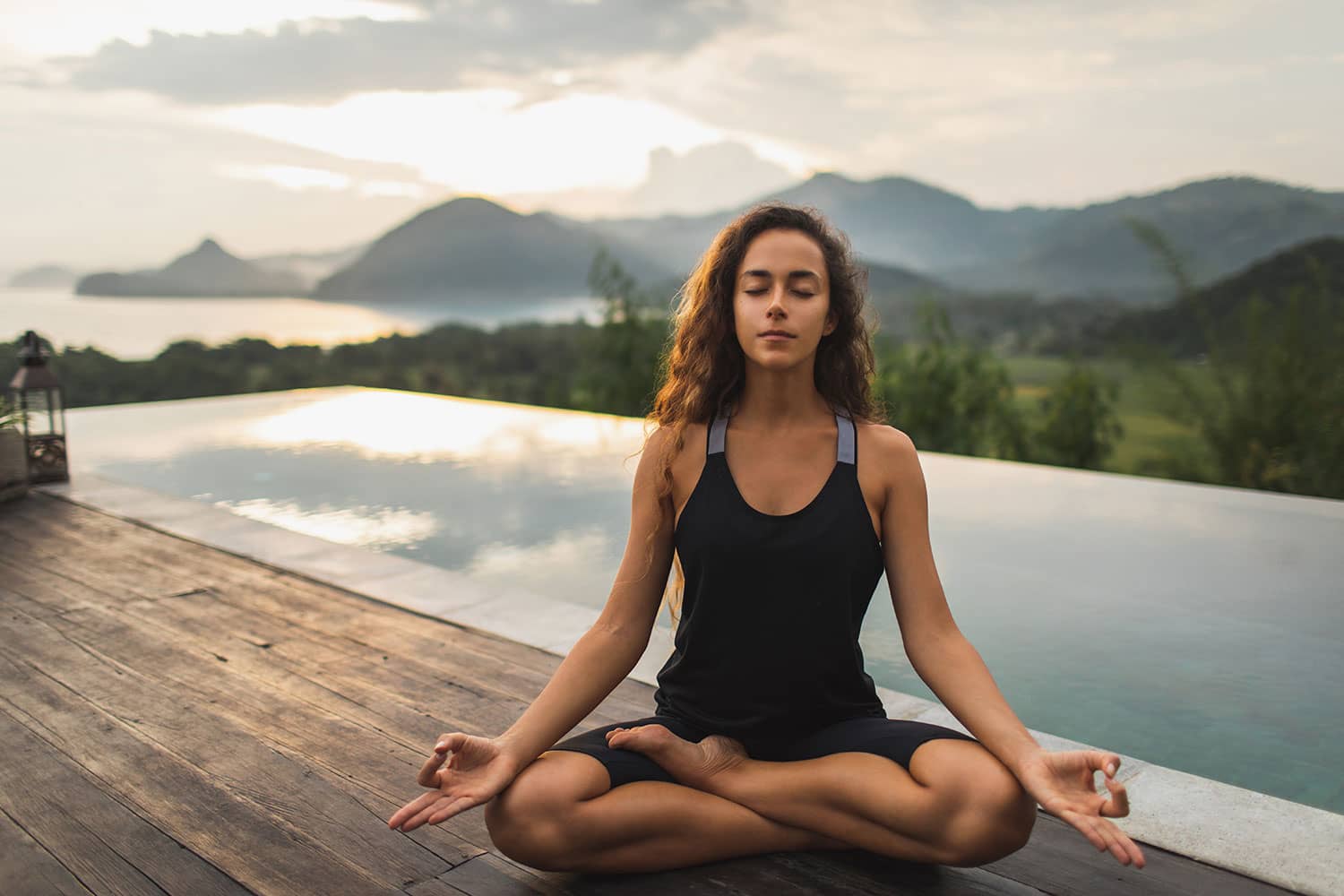
Pratyahara is the fifth limb, focusing on the withdrawal of the senses. It is a conscious effort to draw your attention away from the external world (sounds, sights, smells) and direct that focus inward. It doesn’t mean to stop hearing or seeing, but to not let external stimuli disturb your mental state. This is an important stepping stone to deep meditation.
6 – Dharana (Focus / Concentration)
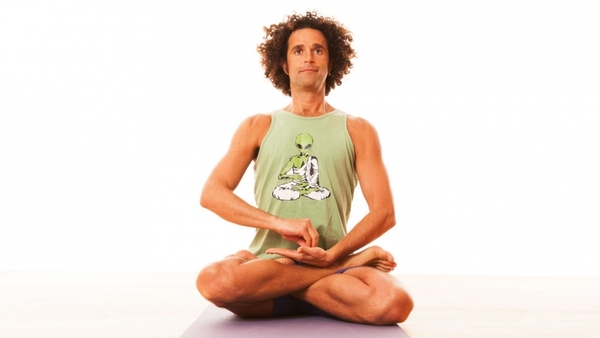
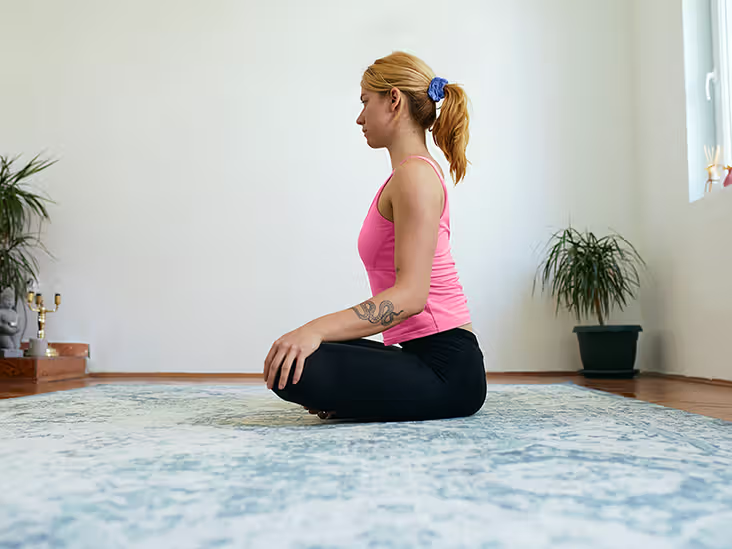
After withdrawing the senses, Dharana is the practice of concentration. This is the training of the mind to focus on a single object (a point, a mantra, or the breath itself) without distraction. The goal is to slow down the stream of thoughts, preparing for the state of meditation.
7 – Dhyana (Meditation)
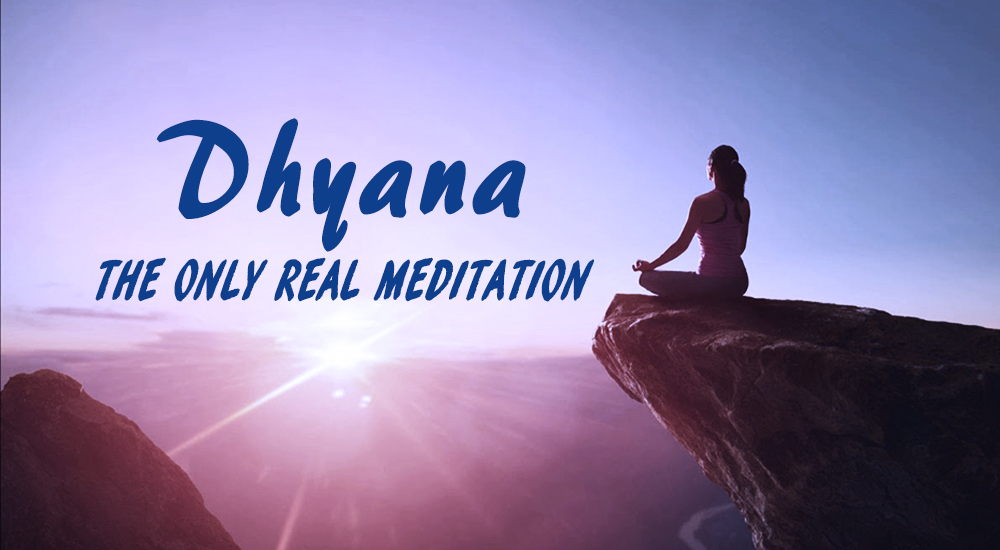
While Dharana is the *practice* of concentration, Dhyana is the *state* of meditation. This is an uninterrupted flow of concentration, where the mind becomes completely still and you achieve a state of peaceful awareness. There is no longer an effort to focus (as in Dharana); instead, you are simply “there”—aware without an object.
8 – Samadhi (Bliss / Enlightenment)

The final limb of yoga is Samadhi, or bliss. This is the ultimate goal of the yogic path, where individual consciousness merges with the universal. It is a transcendent state where you realize your connection to all things, bringing a feeling of absolute peace and happiness. This is the state of total union.
Conclusion
As you can see, the eight limbs of yoga provide a comprehensive path to living a purposeful and meaningful life. They show that yoga is not just about physical postures, but also a profound philosophy for training the mind and spirit, leading to peace and union from within.