Exercise Guide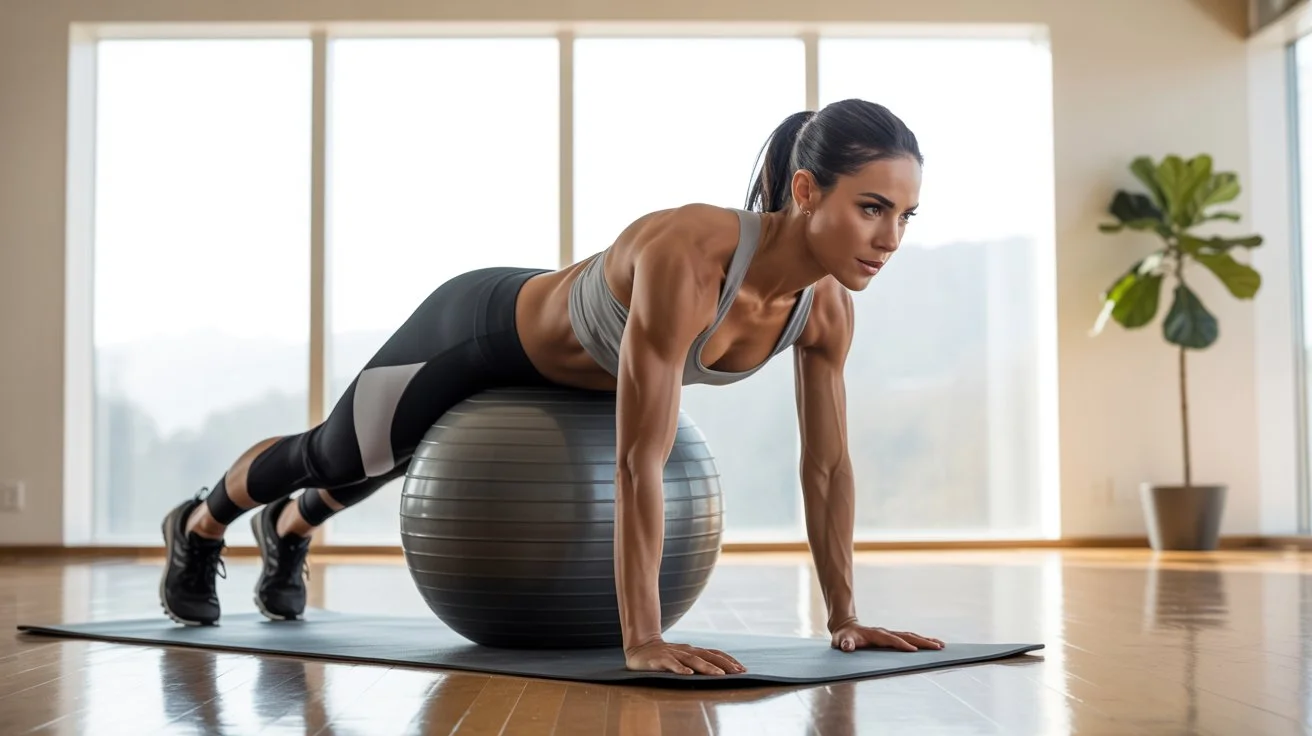
If you’ve felt lower back tightness, shoulder stiffness, or balance struggles, your posture and core likely need attention. In a world of long sitting hours and phone scrolling, poor posture is common. The good news? With the right exercises, you can reduce discomfort and build a stronger, more stable body.
Why Good Posture is Essential

Good posture is vital for overall health and fitness. It refers to how you hold your body while standing, sitting, or moving. Correct alignment reduces strain and prevents long-term problems.
- Improves Breathing: Opens the chest for better lung expansion and oxygen flow, boosting stamina.
- Prevents Pain and Injuries: Reduces stress on the spine, joints, and muscles, lowering the risk of back, shoulder, and neck pain.
- Enhances Exercise Performance: Allows efficient movement, better muscle engagement, and improved endurance.
- Supports Better Digestion and Circulation: Prevents compression of abdominal organs.
- Boosts Confidence and Mental Health: Standing tall projects confidence and can improve mood and focus.
Core Strength: The Secret to Better Posture

Your core (abs, lower back, pelvis, hips) is your body’s central support system. A strong core stabilizes your spine, supports alignment, and prevents other muscles from overcompensating, which leads to slouching and pain.
Think of your core as the pillar holding your body upright. Core exercises like Planks, Dead Bugs, and Bird Dogs teach your body to maintain a neutral spine, improving posture naturally.
8 Best Posture and Core Exercises at Home
You don’t need a gym to work on your posture and core. These bodyweight moves are highly effective and can be done anywhere.
1. Plank

How to do it:
- Start in a push-up position, either on your hands (high plank) or forearms (forearm plank).
- Keep your body in a straight line from head to heels.
- Engage your core by pulling your belly button towards your spine and squeeze your glutes.
- Hold the position without letting your hips sag or rise too high.
Muscles worked: Deep core muscles (transverse abdominis), shoulders, glutes.
Why it helps: Teaches core stabilization and proper body alignment.
Hold: 20–60 seconds. Beginners can modify by dropping knees to the floor.
2. Dead Bug
How to do it:
- Lie on your back with arms extended towards the ceiling and knees bent at 90 degrees (tabletop position).
- Keep your lower back pressed firmly into the floor.
- Slowly lower your right arm backward towards the floor and simultaneously extend your left leg straight out.
- Go only as far as you can without your lower back arching.
- Return to the starting position with control and repeat on the opposite side (left arm, right leg).
Muscles worked: Core stabilizers (transverse abdominis), hip flexors, lower back.
Why it helps: Improves coordination and teaches spinal stability during limb movement.
Reps: 10–12 reps each side.
3. Bird-Dog
How to do it:
- Begin on all fours (tabletop position), with hands under shoulders and knees under hips.
- Engage your core to keep your back flat and hips level.
- Extend your right arm straight forward and your left leg straight back simultaneously.
- Imagine balancing a glass of water on your lower back – don’t let it spill.
- Hold for 2-3 seconds, then return to the starting position. Repeat on the other side.
Muscles worked: Lower back (erector spinae), glutes, abs, shoulders.
Why it helps: Builds balance, coordination, and strength in the muscles that support the spine.
Reps: 10–12 reps each side.

4. Glute Bridge
How to do it:
- Lie on your back with knees bent, feet flat on the floor hip-width apart, and arms by your sides.
- Press through your heels to lift your hips off the floor until your body forms a straight line from shoulders to knees.
- Squeeze your glutes firmly at the top.
- Lower your hips back down with control.
Muscles worked: Glutes, hamstrings, lower back, core.
Why it helps: Strengthens the posterior chain, counteracting the effects of prolonged sitting (like tight hip flexors and weak glutes).
Reps: 12–15 reps. Add a resistance band around thighs for extra challenge.
5. Superman
How to do it:
- Lie face-down on a mat with arms and legs extended.
- Keeping your neck neutral (look down at the mat), lift your arms, chest, and legs off the ground simultaneously.
- Focus on using your back and glute muscles to lift.
- Hold briefly at the top, then lower slowly.
Muscles worked: Spinal erectors, glutes, upper back.
Why it helps: Strengthens the muscles that keep your spine extended, fighting against slouching and rounded shoulders.
Reps: 10–15 reps. Modify by lifting opposite arm and leg if needed.

6. Wall Angels
How to do it:
- Stand with your back flat against a wall, feet a few inches away. Try to press your lower back gently into the wall.
- Bend your elbows to 90 degrees (like a goalpost) and press your arms, wrists, and the back of your hands against the wall.
- Slowly slide your arms up the wall as high as you can while maintaining contact.
- Slowly slide them back down.
Muscles worked: Upper back (rhomboids, traps), shoulders, rotator cuff muscles.
Why it helps: Stretches tight chest muscles while strengthening the upper back, opening up posture.
Reps: 10–12 reps. Go only as far as your mobility allows without losing wall contact.
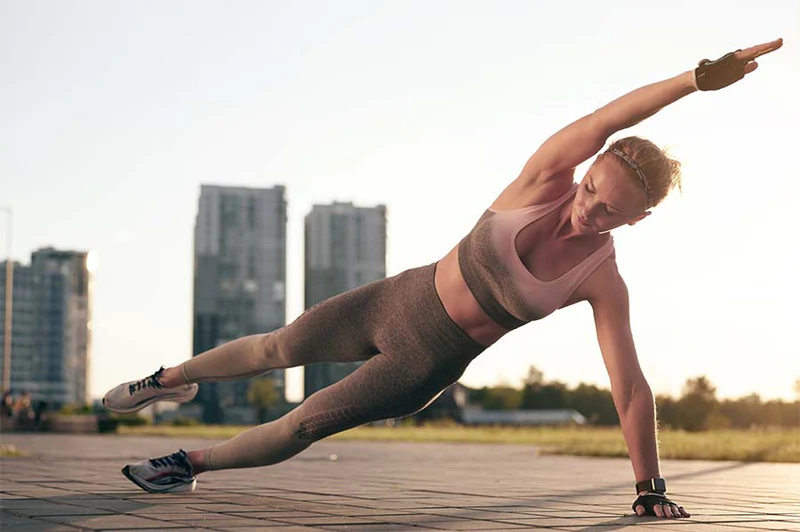
7. Side Plank
How to do it:
- Lie on your side with your elbow directly under your shoulder and forearm flat on the floor.
- Stack your feet or place one foot slightly in front of the other for more stability.
- Lift your hips off the floor, creating a straight line from head to feet.
- Engage your obliques (side abs) and hold the position.
Muscles worked: Obliques, deep core stabilizers, shoulders.
Why it helps: Builds lateral core strength, preventing the spine from collapsing sideways or forward.
Hold: 15–45 seconds each side. Beginners can modify by keeping their bottom knee on the ground.
8. Chin Tucks
How to do it:
- Sit or stand tall with your shoulders relaxed.
- Look straight ahead and gently draw your chin straight back, as if making a double chin (without tilting your head down).
- You should feel a stretch at the back of your neck.
- Hold for 2–3 seconds, then release.
Muscles worked: Deep neck flexors, upper spine stabilizers.
Why it helps: Corrects forward head posture (“tech neck”) common from phone and computer use.
Reps: 10–15 reps. Do this throughout the day as a quick posture reset.

Simple Lifestyle Changes for Better Posture
Improving posture involves more than just exercise; daily habits matter significantly.
- Adjust Your Workstation: Keep your monitor at eye level, use a supportive chair, and keep your feet flat on the floor. Consider a standing desk.
- Be Mindful of Phone Use: Hold your phone closer to eye level instead of looking down. Take breaks.
- Sit with Support: Use a lumbar cushion if needed and avoid sitting for more than an hour without moving.
- Sleep Smarter: Use a supportive mattress and pillows. Avoid sleeping on your stomach.
- Move More Throughout the Day: Stand up, stretch, and walk around frequently.