Exercise Guide
Getting lean isn’t just about dropping a few pounds — it’s about lowering body fat to the point where muscle definition shows and your physique looks sharp, strong, and athletic. It requires discipline, strategy, and a set of proven rules that keep you on track without burning out. This guide gives you the blueprint to achieve it.
I – The Core Principles for a Lean Physique
1. Create a Calorie Deficit—Smartly

This is the fundamental law of fat loss. You must burn more calories than you consume. However, a massive cut can lead to muscle loss and energy crashes. Aim for a moderate, sustainable deficit of about 15-25% below your maintenance calories (around 300-500 calories for most people). This encourages your body to burn fat for fuel while preserving precious muscle mass.
2. Prioritize Protein Intake

Protein is your best friend when getting lean. It helps preserve muscle mass during a calorie deficit, which is crucial for maintaining a high metabolism. It also boosts satiety, keeping you feeling full and reducing cravings. Aim for around 1 gram of protein per pound of your target body weight daily.
3. Lift Weights Consistently

Resistance training is non-negotiable. It signals your body to hold onto muscle while you’re in a calorie deficit, ensuring you look defined and strong, not just “skinny.” Focus on compound lifts like squats, deadlifts, bench presses, and rows, as they engage multiple muscle groups and burn more calories than isolation exercises.
4. Don’t Skip Cardio (But Don’t Overdo It)

Use cardio as a tool to increase your calorie deficit, not as your only method for fat loss. A mix of High-Intensity Interval Training (HIIT) and steady-state cardio is ideal. HIIT is time-efficient and boosts your metabolism for hours after, while steady-state is great for recovery and burning calories without too much stress. Aim for 3–5 sessions per week.
5. Control Your Carbs (Don’t Eliminate Them)

Carbohydrates are your body’s primary energy source. While lowering them can help reduce water retention and body fat, eliminating them entirely can kill your performance and energy levels. A smart approach is to cycle your carbs: eat more on training days to fuel your workouts and recovery, and fewer on rest days. Stick to complex carbs like oats, brown rice, and sweet potatoes.
6. Track Your Progress Religiously

What gets measured gets managed. Use weekly check-ins to track your progress with body measurements, weight, and progress photos. Don’t panic over day-to-day weight fluctuations caused by water and food—focus on the weekly and monthly trends. This data will allow you to make smart adjustments to your diet and training plan.
7. Manage Stress & Sleep

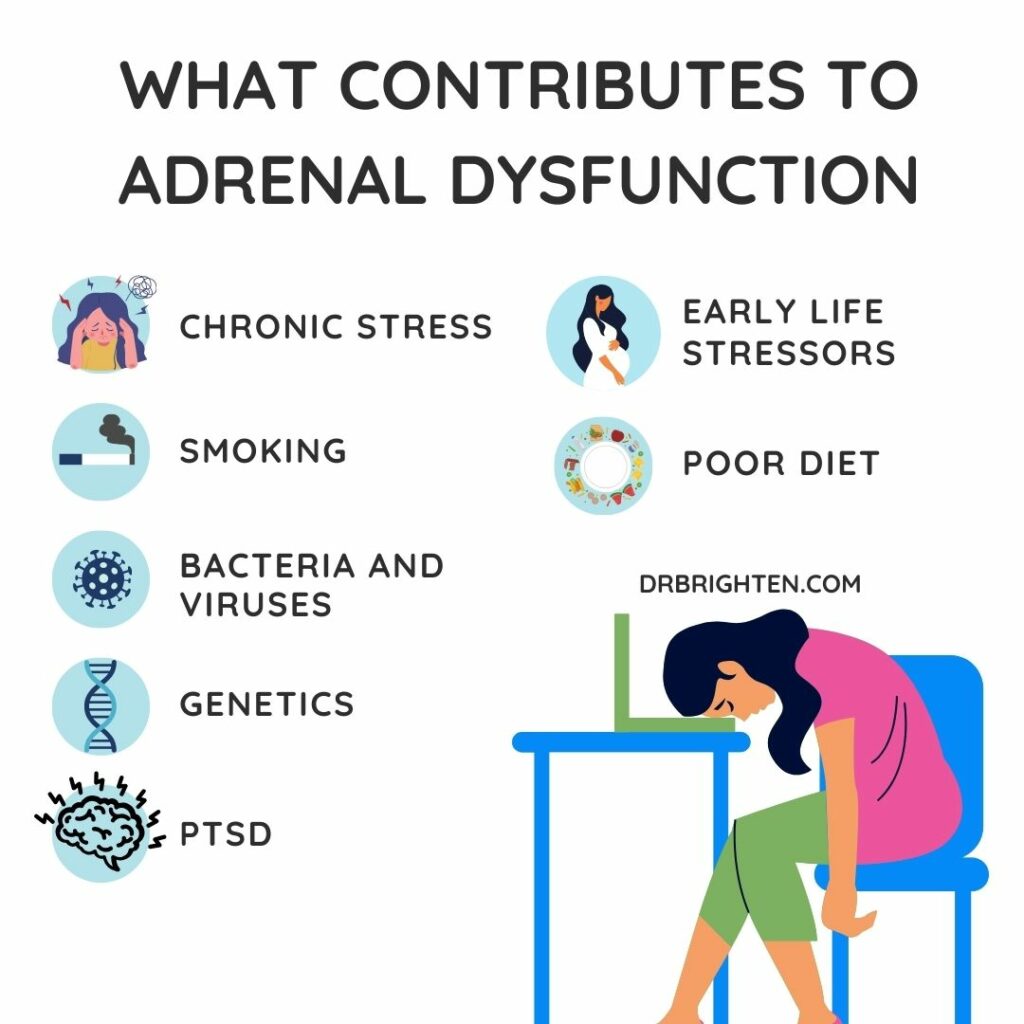
This is the secret weapon of getting lean. Poor sleep and high stress raise cortisol, a hormone that can lead to fat storage (especially around the belly) and muscle breakdown. Aim for 7–9 hours of quality sleep per night and incorporate stress-management techniques like meditation, deep breathing, or simply taking a walk in nature.
8. Stay Hydrated

Dehydration can impair workout performance, slow down your metabolism, and even be mistaken for hunger. Drinking enough water is crucial for optimal fat loss. Aim for at least 3–4 liters (about a gallon) of water per day. It also helps control hunger and improves digestion.
9. Be Patient and Ruthlessly Consistent
Getting super lean doesn’t happen overnight. It takes time, precision, and unwavering consistency. There will be days when motivation is low, but discipline is what will carry you through. Trust the process, stick to the plan, and understand that small daily wins accumulate into massive long-term results.

II – Frequently Asked Questions (FAQs)
Q1: How long does it take to get super lean?
This depends heavily on your starting body fat percentage. For someone already in decent shape, it might take 8–16 weeks of consistent effort. For others, it could be a longer journey. Patience is key.
Q2: Should I do fasted cardio to burn more fat?
Fasted cardio (doing cardio on an empty stomach) may offer a slight advantage in burning stored fat, but the overall calorie deficit at the end of the day is what truly matters. Do it if you enjoy it, but don’t feel it’s a requirement.
Q3: Can I still have cheat meals?
Yes, strategic and controlled “refeed” or cheat meals can be beneficial, both psychologically and hormonally. However, they must be planned and should not derail your weekly calorie deficit. An occasional, controlled indulgence is fine; frequent, uncontrolled binges are not.
Getting super lean isn’t about hacks or shortcuts—it’s about mastering the fundamentals and sticking to them with discipline. Follow these 9 rules, and you’ll not only achieve a lean physique but also build sustainable habits to maintain it.