Exercise Guide
If you want to build capped shoulders that show and go, presses alone won’t be enough. While overhead presses develop size and strength, shoulder raises are what create the shape and definition that make your delts pop. This guide provides 10 must-do shoulder raise variations to help you build bigger, stronger, and more resilient delts.
Benefits of Shoulder Raise Variations
Pressing movements develop muscle and strength, but these variations are where you sculpt size, symmetry, and enhanced stability.
- Target all three heads of the deltoid: This lineup ensures your front, lateral (side), and rear delts all receive the attention they deserve for a well-rounded look.
- Introduce various angles and resistance: Moves like the lean-away lateral raise and cable variations increase time under tension, a key factor for muscle growth.
- Utilize a combination of equipment: Using cables, dumbbells, and machines keeps your training fresh and stimulates your shoulders with different types of resistance.
The 10 Best Shoulder Raise Variations
1. Stability Bent-Over Reverse Fly
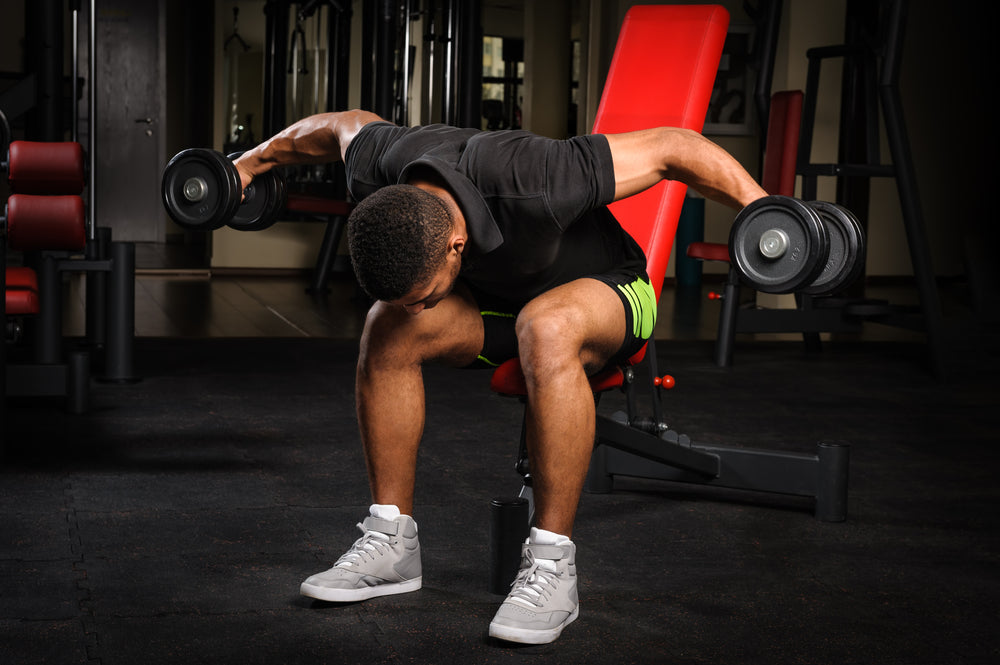
Why it works: Keeping one hand on a stable surface (like a squat rack) locks you into position, eliminates momentum, and allows you to lift heavier weights safely, leading to superior rear-delt gains.
How to do it:
- Stand next to a squat rack or sturdy pole and hold onto it with one hand.
- Hinge at your hips, keeping your back flat, and hold a dumbbell in your free hand.
- Raise the dumbbell out to the side in a wide arc, focusing on squeezing your rear delt and upper back.
- Avoid shrugging your upper traps. Lower the weight with control.
Sets & Reps: 3–4 sets of 10–15 reps per side.
2. Cable Lateral Raise

Why it works: Unlike dumbbells, cables provide constant resistance throughout the entire range of motion, making this the king of tension for building wider shoulders.
How to do it:
- Set a D-handle to the lowest pulley setting on a cable machine.
- Stand sideways to the machine and grab the handle with your outside hand.
- With a slight forward lean and a soft bend in your elbow, raise your arm out to the side until it reaches shoulder height.
- Pause for a moment at the top, then lower with control.
Sets & Reps: 2–4 sets of 12–16 reps per side.
3. Lean-Away Lateral Raise
https://www.mensfitness.com/.image/w_3840,q_auto:good,c_limit/MTk2MTM2NTc4NzU0NzQ5NTg1/4-leaning-away-dumbbell-lateral-raise.jpg
Why it works: By leaning away from an anchor point, you increase the range of motion and make the beginning of the movement more challenging, which creates more time under tension for the lateral delts.
How to do it:
- Hold onto a squat rack or sturdy pole with one hand and lean your body away from it.
- Hold a dumbbell in your free hand.
- Raise the dumbbell out to the side up to shoulder height.
- Lower the dumbbell slowly and with control, feeling the stretch in your delt.
Sets & Reps: 2–3 sets of 8–16 reps per side.
4. 3-Way Lateral Raise
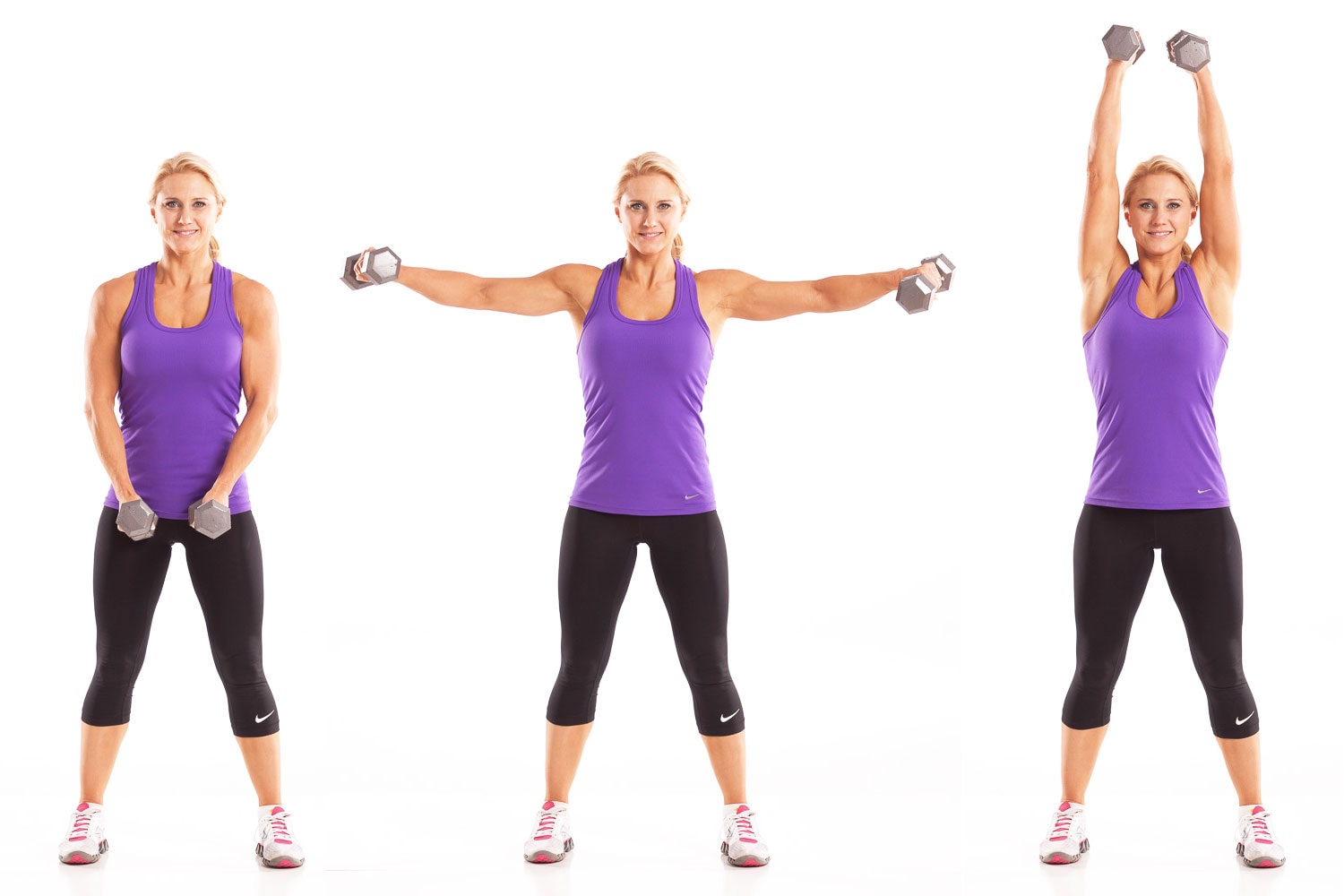
Why it works: This variation challenges your delts through three different angles in one set (forward, side, and back), hitting more muscle fibers across the lateral deltoid for more complete development.
How to do it:
- Hold a pair of light dumbbells.
- Perform a lateral raise with your arms slightly in front of your body.
- Perform a traditional lateral raise directly out to your sides.
- Perform a lateral raise with your arms angled slightly behind your body. That’s one rep.
Sets & Reps: 2–3 sets of 6–8 reps per direction (18-24 total raises per set).
5. Seated Plate Front Raise

Why it works: Using a weight plate allows for a neutral grip, and the seated position prevents you from using momentum. This isolates the anterior (front) delts and allows for a longer time under tension.
How to do it:
- Sit on a bench with your back straight.
- Hold a weight plate on its sides with both hands.
- Raise the plate in front of you up to shoulder height with control.
- Avoid leaning backward. Lower the plate slowly.
Sets & Reps: 2 sets of 15-25 reps.
6. Cable Rope Front Raise
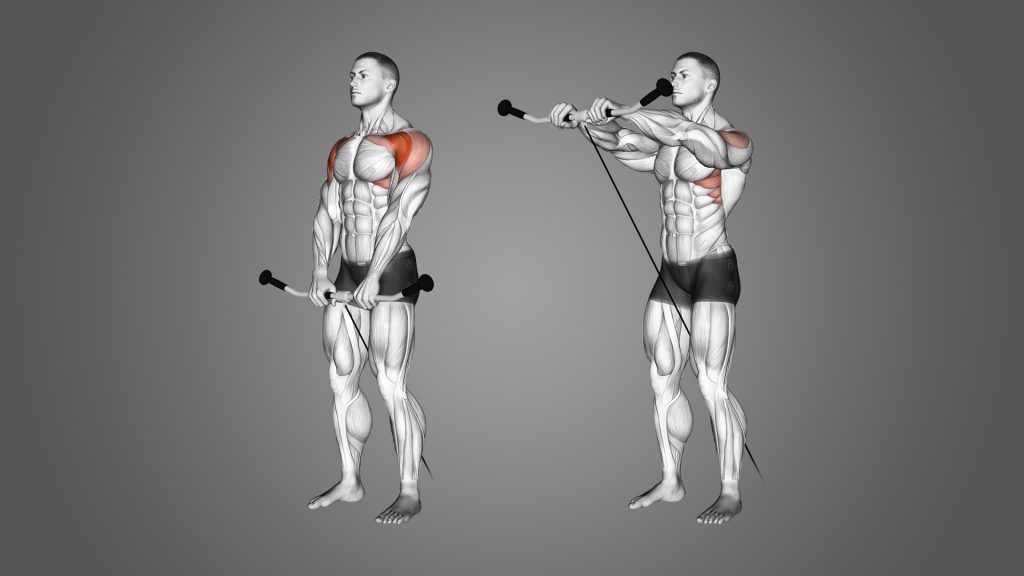
Why it works: The cable provides constant tension, and using a rope handle allows for a natural wrist position, reducing joint stress. Pulling the rope apart at the top adds an extra contraction for the front delts.
How to do it:
- Attach a rope handle to a low pulley.
- Stand facing away from the machine and hold the rope with a neutral grip.
- Raise the rope in front of you, pulling the ends slightly apart as you reach shoulder height.
- Keep your chest up and shoulders down to avoid arching your lower back.
Sets & Reps: 2 sets of 12–15 reps.
7. Reverse Pec-Deck Fly
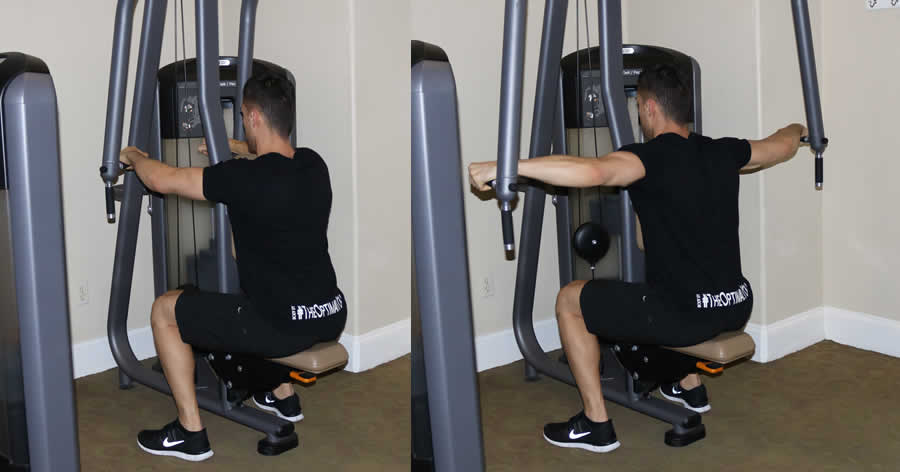
Why it works: This machine-based exercise adds stability and removes balance from the equation, allowing you to focus purely on activating and isolating the rear deltoids. It’s ideal for lifters who struggle to “feel” their rear delts working.
How to do it:
- Sit facing the machine with your chest against the pad.
- Grab the handles with a slight bend in your elbows.
- Squeeze your shoulder blades together to push the handles back in a wide arc.
- Return to the starting position with control.
Sets & Reps: 3–4 sets of 12–15 reps.
8. Dumbbell Chest-Supported Rear-Delt Fly
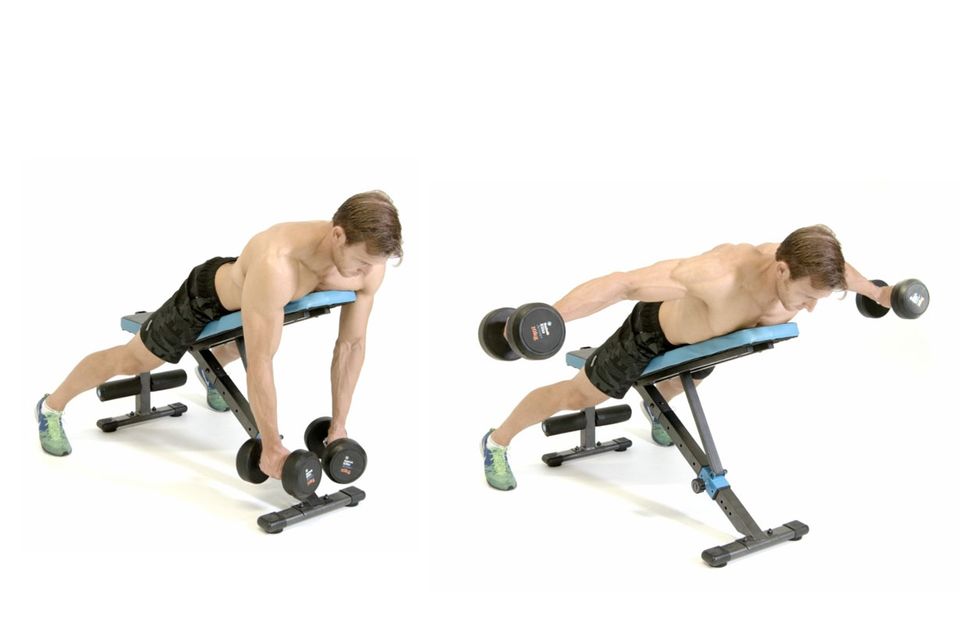
Why it works: This combines the isolation of the machine with the stability benefits of being chest-supported. It trains the rear delts while minimizing the involvement of the upper traps.
How to do it:
- Set an adjustable bench to a 45-degree incline and lie face down with your chest on the pad.
- Hold a pair of dumbbells with your arms hanging down.
- Raise the dumbbells out to the sides in a wide arc, keeping your thumbs facing down.
- Squeeze your rear delts at the top and lower slowly.
Sets & Reps: 3–4 sets of 10–12 reps.
9. McLean Lateral Raise

Why it works: This unique variation increases tension in both lateral deltoids at once. By pressing one hand into a wall (isometric contraction), you create an irradiation effect that intensifies the contraction in the working arm.
How to do it:
- Stand next to a wall or squat rack. Lean slightly into it and press the back of your inside hand as hard as possible against the surface.
- With your outside hand, perform a standard lateral raise with a dumbbell.
- You should feel tension in both shoulders simultaneously.
Sets & Reps: 2-3 sets of 12–16 reps per side.
10. 6-Way Shoulder Raise

Why it works: The ultimate deltoid finisher. This one complex movement hits all three heads of the shoulder while requiring immense control and time under tension.
How to do it:
One repetition consists of six movements:
- Perform a lateral raise out to your sides.
- Bring your arms forward to the front.
- Raise your arms overhead.
- Lower your arms back to the front.
- Open your arms back out to the sides.
- Lower your arms back down to the starting position.
Sets & Reps: 2–3 sets of 5–6 reps. Use very light weights and a slow, controlled tempo.
How to Use These Variations

These raises don’t replace overhead pressing; they complement it. They are best used as accessory work to isolate each delt head.
- After Your Big Lifts: Perform pressing moves first while you’re fresh. Use these raise variations afterward to pump the delts with blood and add volume.
- As a Shoulder Finisher: Combine two or more variations in a superset at the end of a workout to completely burn out your delts.
- On Push or Upper-Body Days: Don’t save raises just for a dedicated shoulder day. They fit well into push days to add more volume and tension.