Exercise Guide
The Upper/Lower Split is recognized as one of the most effective training styles for maximizing hypertrophy (muscle growth) in natural lifters. This routine capitalizes on all three key factors required for muscle gain:
- **Mechanical Tension:** Achieved via heavy compound lifts (6–12 reps).
- **Muscle Damage:** Enhanced drastically by the **3-Second Eccentric Negative** technique.
- **Metabolic Stress:** Generated through volume distribution and short rest periods.
By splitting the body, you can stimulate each muscle group more frequently (twice a week) while providing ample recovery time, setting the stage for consistent growth over 10 weeks.

📊 Program Summary & Logistics
| Main Goal | Build Muscle (Hypertrophy) |
|---|---|
| Key Technique | 3-Second Eccentric (Negative) Overload |
| Training Level | Beginner (Highly adaptable for Intermediate) |
| Program Duration | 10 Weeks |
| Days Per Week | 4 Strength Sessions |
| Time Per Workout | 45–60 minutes |
| Equipment Required | Full Gym Access (Barbell, Cables, Machines, Dumbbells) |

🧠 The Core Technique: 3-Second Eccentric Overload
The **Eccentric Phase** is the lowering or lengthening portion of a lift (e.g., lowering the bar to your chest during a Bench Press). Applying a **3-second negative** means forcing this lowering phase to take a full three seconds. This is critical because:
- It maximizes **Time Under Tension (TUT)**, forcing the muscle to work harder.
- It causes greater microscopic muscle damage, which is a powerful signal for the body to repair and build larger fibers.
- It improves control and form, especially valuable for beginners.
Volume and Intensity Scheme
Each training day follows a balanced volume scheme:
- **Compound/Heavy Lifts:** 3 sets (6–12 reps, focusing on Mechanical Tension).
- **Isolation/Accessory Lifts:** 2–3 sets (10–15 reps, often incorporating the 3-second negative for Muscle Damage/TUT).
Rest Periods: Rest as needed, typically **60–90 seconds**. Take longer rest for heavy compound sets (up to 90s) and shorter rest for isolation work (60s).

📅 4-Day Upper/Lower Workout Schedule
| Day | Focus | Schedule Example |
|---|---|---|
| Monday | Upper Body A (Horizontal Push/Pull) | Monday |
| Tuesday | Lower Body A (Squat/RDL Focus) | Tuesday |
| Wednesday | Rest / Cardio | Wednesday |
| Thursday | Upper Body B (Incline/Rack Pull Focus) | Thursday |
| Friday | Lower Body B (Leg Press/Glute Focus) | Friday |
| Saturday | Rest / Active Recovery | Saturday |
| Sunday | Rest | Sunday |

🏋️ The 10-Week Workout Protocol
Monday: Upper Body Workout A
| Exercise | Sets | Reps | Technique Focus |
|---|---|---|---|
| Bench Press | 3 | 6–12 | Heavy Compound |
| Barbell Row | 3 | 6–12 | Heavy Compound |
| Seated Overhead Dumbbell Press | 3 | 8–12 | Compound |
| Pec Dec Fly | 2 | 10–12 | 3 SEC NEGATIVE |
| V-Bar Lat Pull Down | 2 | 10–12 | 3 SEC NEGATIVE |
| Side Lateral Raise | 2 | 10–15 | Isolation Volume |
| Cable Tricep Extensions | 3 | 8–12 | 3 SEC NEGATIVE |
| Cable Curls | 3 | 8–12 | 3 SEC NEGATIVE |
Tuesday: Lower Body Workout A
| Exercise | Sets | Reps | Technique Focus |
|---|---|---|---|
| Squats (Barbell) | 3 | 6–12 | Heavy Compound |
| Stiff Leg Deadlifts (SLDL) | 3 | 8–12 | Heavy Hinge/Hamstring Stretch |
| Standing Calf Raise | 3 | 10–15 | Heavy Compound |
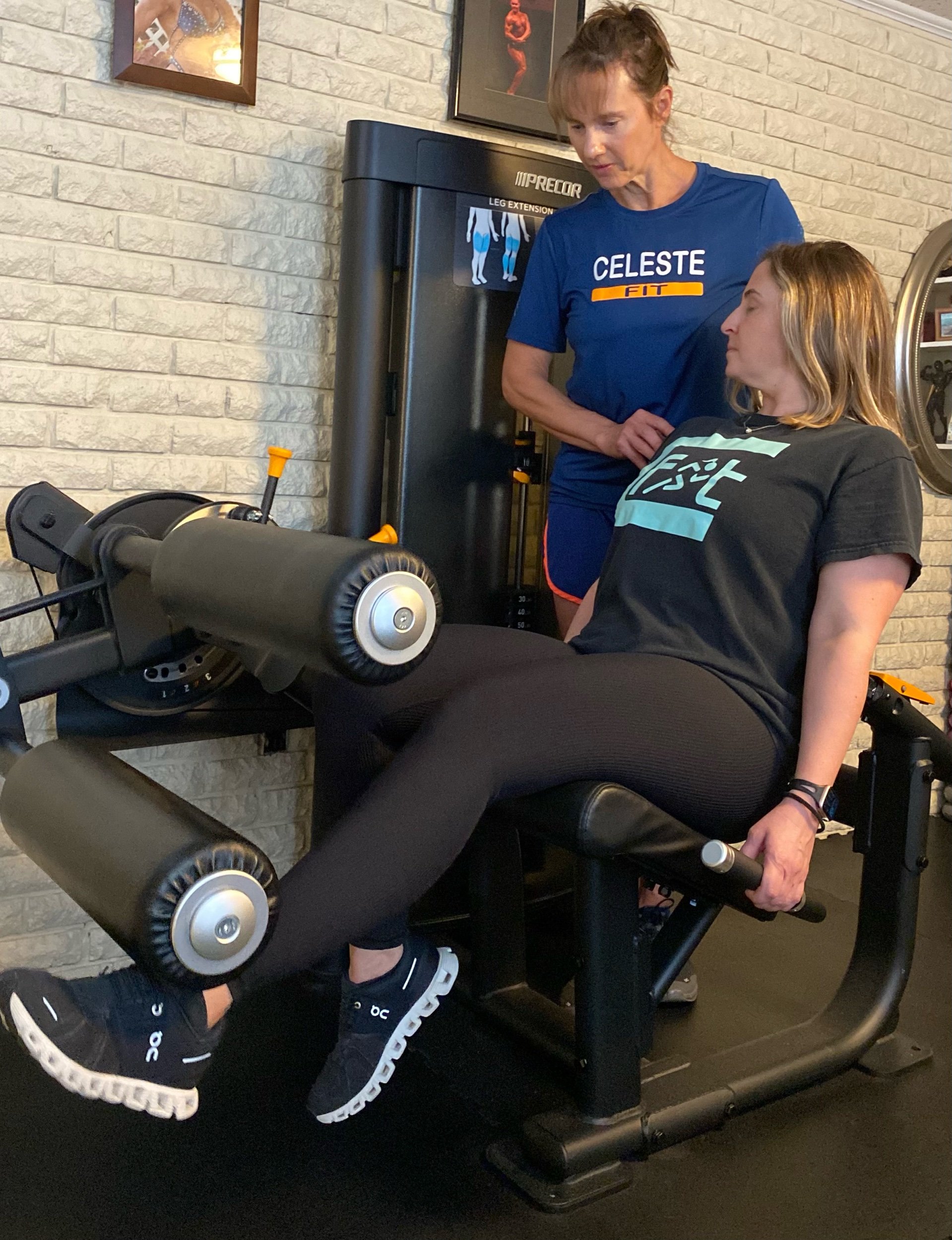
| Leg Extensions | 2 | 10–12 | 3 SEC NEGATIVE |
| Leg Curl | 2 | 10–12 | 3 SEC NEGATIVE |
| Seated Calf Raise | 2 | 10–12 | 3 SEC NEGATIVE |
| Cable Crunch | 3 | 10–12 | 3 SEC NEGATIVE |
| Cable Pull Through w/ Rope | 3 | 10–12 | Glute Focus |

Thursday: Upper Body Workout B
| Exercise | Sets | Reps | Technique Focus |
|---|---|---|---|
| Incline Dumbbell Bench Press | 3 | 8–12 | Heavy Compound |
| Rack Deadlifts (3″ to 5″ off ground) | 3 | 5–8 | Heavy Compound (Upper Back/Traps Focus) |
| Military Press (Standing or Seated) | 3 | 8–12 | Compound |
| Machine Chest Press | 2 | 8–12 | 3 SEC NEGATIVE |
| Pull Ups or Machine Rows | 2 | 8–12 | 3 SEC NEGATIVE |
| Machine Shoulder Press | 2 | 8–12 | 3 SEC NEGATIVE |
| Dumbbell Curls | 3 | 8–12 | 3 SEC NEGATIVE |
| Machine Tricep Dip | 3 | 8–12 | 3 SEC NEGATIVE |
Friday: Lower Body Workout B
| Exercise | Sets | Reps | Technique Focus |
|---|---|---|---|
| Leg Press | 3 | 10–20 | Heavy Compound (Volume) |
| Dumbbell Stiff Leg Deadlifts (SLDL) | 3 | 8–12 | Heavy Hinge/Hamstring Stretch |
| Leg Press Calf Raise | 3 | 10–15 | Heavy Compound |
| Hack Squat | 2 | 8–12 | Isolation/Volume |
| Seated Leg Curl | 2 | 10–12 | 3 SEC NEGATIVE |
| Seated Calf Raise | 2 | 10–12 | 3 SEC NEGATIVE |
| Planks | 3 | 60 sec | Core Stability |
| Hyperextension | 3 | 10–12 | Glute Focus |

❓ Advanced Programming Notes (FAQ Integration)
1. Rationale for Deadlift Variations (Hinge Focus)
The program utilizes multiple hip hinge variations (SLDL, Rack Pull, Hyperextension) because the deadlift is the ultimate mass builder, and each variant shifts the emphasis:
- **Stiff Leg Deadlift (SLDL):** Focuses tension on the **hamstrings and glutes** through a deep stretch.
- **Rack Deadlift / Rack Pull:** Elevates the bar, emphasizing the **upper back and traps**.
- **Hyperextension:** When performed correctly (posterior pelvic tilt), targets the **glutes** with minimal lower back strain.
If uncomfortable with the volume, substitute one hinge movement for another that better suits your mobility.
2. Progression and Adaptation
- **Beginner Volume:** The volume is appropriate for beginners, but those new to the gym can initially reduce the 3-set exercises to 2 sets before scaling up.
- **Progressive Overload:** The key to results is increasing the weight used over time. Track your lifts and aim to use heavier weight whenever you successfully complete the prescribed reps.
- **For Women:** This routine is highly effective for women. The heavy emphasis on glutes and hamstrings via the deadlift variations already aligns well with common aesthetic goals, though glute isolation exercises can be substituted if desired.
3. Diet and Conditioning
- **Diet:** This program can be run with any diet (Keto, High Carb, etc.), but **optimal muscle growth** requires sufficient carbohydrates to fuel performance. Success is dependent on your nutritional alignment with your ultimate goal (surplus for bulk, deficit for fat loss).
- **Cardio:** Cardio is beneficial. Add **HIIT** (high-intensity interval training) after weight sessions if time is limited, or use **steady-state cardio** on rest days for active recovery.