Exercise Guide
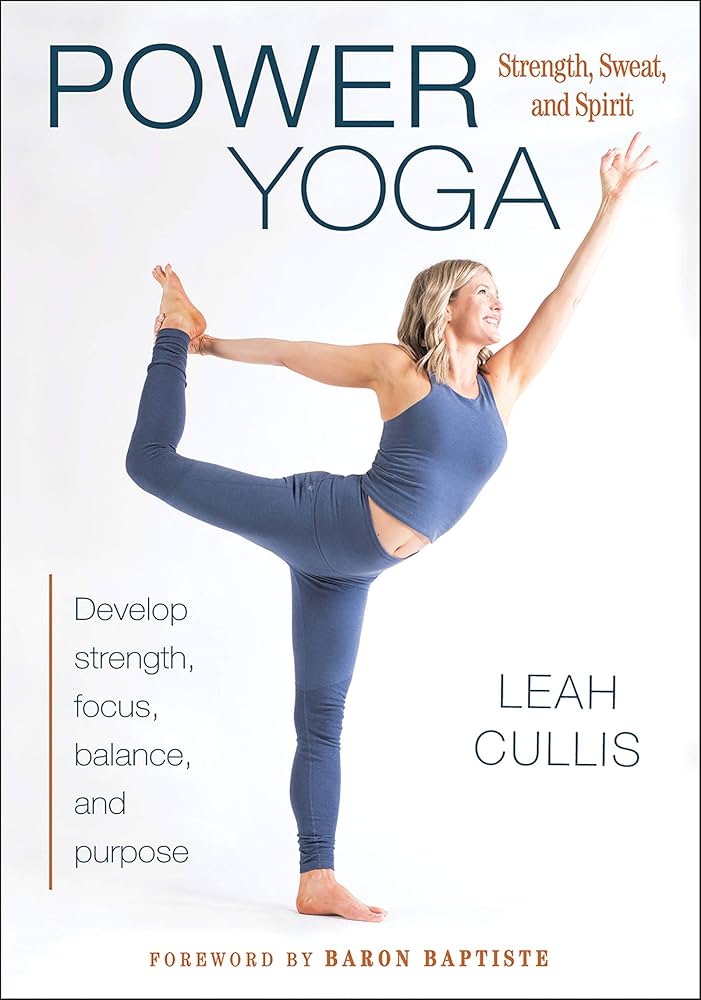
Yoga has become one of the most popular ways to exercise. But some people need a little more burn from their exercise routines, and that’s where power yoga comes in.
Power Yoga 101
- What is power yoga? It’s a hybrid form of yoga that focuses on building strength and endurance, developed from Ashtanga yoga.
- Is it different than other types of yoga? Power yoga places less emphasis on spiritual aspects like meditation and breathing, focusing more on a full-body workout.
- Does it burn calories? Yes! A 155-pound person burns around 144 calories in 30 minutes of Hatha yoga. Power yoga will likely burn even more due to its higher intensity.
- Benefits: Supports weight loss, improves heart health, builds strength, enhances motor control, and reduces stress.
1 – Basic Power Yoga Poses to Try
Here are some common power poses to try:
Chaturanga (Low Plank)
Chaturanga is like a punishing half press-up that you hold low to the ground, working your triceps, chest, and abdominal muscles.
How to do it:
- Start in a press-up position with your hands on the floor shoulder-width apart.
- Lower halfway down so your elbows align with your shoulders.
- Make sure to keep your butt down, core engaged, and body in a straight line.
- Hold for 10–15 seconds, or for extra burn, try Chaturanga push-ups in sets of 3.
High Plank
The high plank strengthens your core and activates your entire body.
How to do it:
- Start at the top of a press-up position.
- Extend your legs behind and push out through your heels.
- Activate your core by squeezing your butt and tucking in your tummy.
- Look down toward the floor to keep your neck in line with your back.
- Hold this position (don’t forget to breathe and squeeze!) for 10 to 15 seconds.
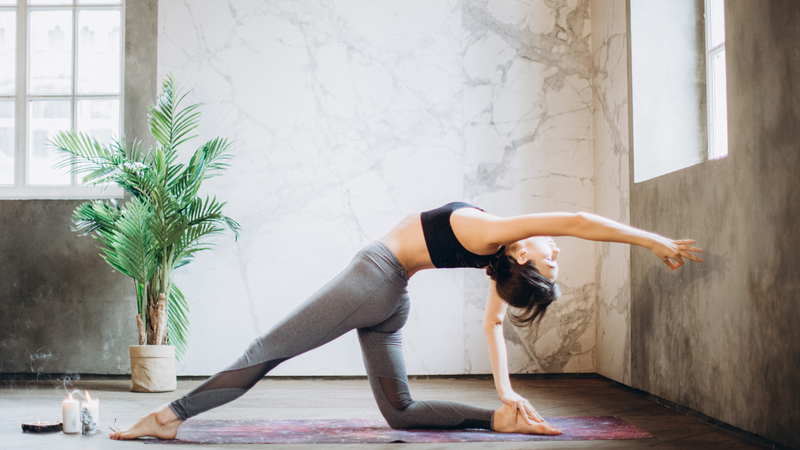
Crescent Lunge
A variation on Warrior I that works the thigh and calf muscles while maintaining a strong core. It’s also a good pose for working on your balance.
- Stretch your right leg out straight behind you and bend your front knee at 90 degrees.
- Keeping your hips forward, lift onto the ball of your back foot and bend your back knee so it gets close to the ground.
- Sweep your arms overhead so that your palms are touching. Gently tilt your head and gaze toward your thumbs.
- Ensure your front shin stays vertical. Widen your stance as needed to make sure that your knee does not move forward past your ankle.
- Engage the muscles of your abdomen and activate your core.
- Hold for up to 1 minute. Repeat on alternate side.
One-Legged Dog
A twist on a popular classic. This works the abdominal muscles and increases leg strength, while also promoting flexibility.
How to do it:
- Start on all fours in tabletop position.
- Press your hips up and back, keeping your legs and arms straight (Downward Dog).
- Raise your left leg upward as much as you can. (Don’t worry if you can’t get it completely straight).
- Hold for 10–15 seconds before coming back to Downward Dog.
- Repeat on the alternate side.
Cobra Pose
This is a strong floor pose that can really be felt in the lower back, neck, and butt.
- Lie facedown on the floor, with your hands flat by your shoulders.
- Press the tops of your feet and the palms of your hands firmly into the mat.
- Lift your chest off the floor, keeping your lower body tight and pressed firmly down.
- Push your hands up and back, stretching out your neck and gazing upward.
- Hold for 15 to 30 seconds. Release back to the floor.

A Sample Power Yoga Sequence (10-15 Minutes)
Time to throw all these poses into a sequence and see power yoga in action. Remember, it’s your workout! You can tailor this to your needs.
- Child’s Pose: Hold for 5 breaths.
- Downward-Facing Dog: 5 to 6 breaths.
- One-Legged Dog: 15 to 20 seconds each leg.
- High Plank: 10 to 15 seconds.
- Chaturanga: 10 to 15 seconds (or 3 push-ups).
- Upward-Facing Dog: 1 breath.
- Cobra Pose: 10 to 15 seconds.
- Downward-Facing Dog: 5 to 6 breaths.
- Ragdoll: 10 to 15 seconds.
- Tadasana (Mountain Pose): 10 to 15 seconds.
- Crescent Lunge: 20 to 30 seconds on each leg.
- Downward-Facing Dog: 5 to 6 breaths.
- Child’s Pose: Hold for 10 breaths.
- Savasana (Corpse Pose): 30 seconds to 2 minutes.
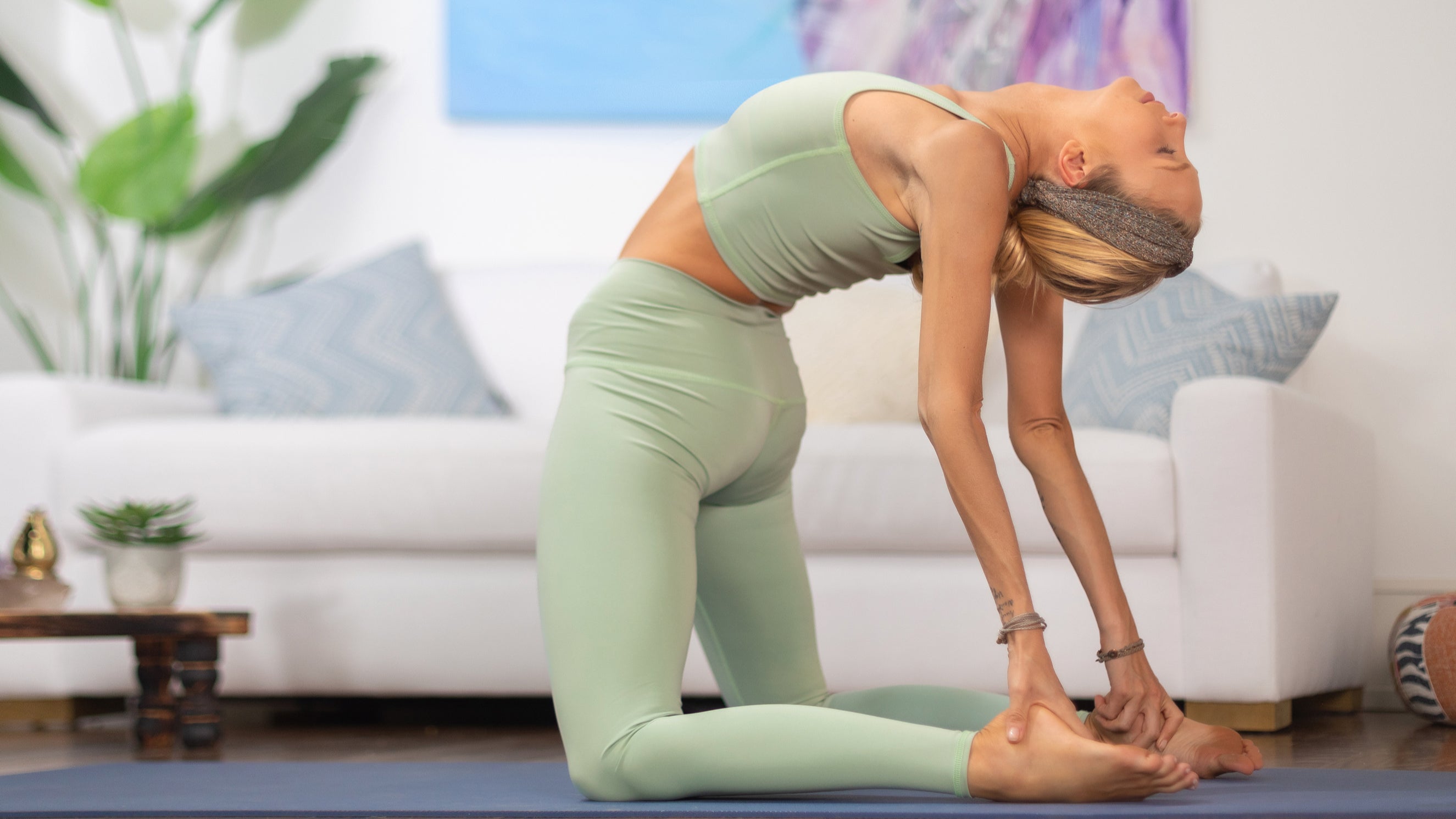
2 – Getting Started with Power Yoga
For Beginners
If you’re just getting started, it’s a good idea to familiarize yourself with some basic poses before jumping into a power yoga class. You can use YouTube or yoga apps as a guide. Consider taking a few Hatha or Vinyasa classes to pick up the basics first.
Finding a Class
Once you’re ready to dive into power yoga, a quick online search can help you find a local class. If you don’t see a “power yoga” class specifically, it might be labeled as “Vinyasa” or “Vinyasa flow.” It’s best to speak with your doctor if you’re recovering from an injury or have any underlying health conditions.
Power yoga is a hybrid yoga exercise developed with high-level fitness in mind. It’s great if you want more of the workout and less of the breathing exercises. Whether you find a nearby yoga studio or just stick with YouTube at home, getting power yoga into your weekly routine is a sure-fire way to stay in shape.