Exercise Guide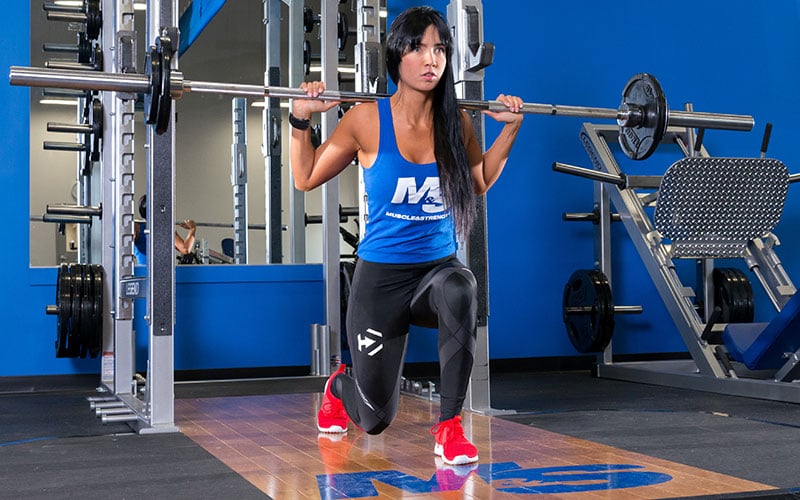
The age-old dilemma—training for maximal strength (low reps, high intensity) versus maximizing size (high volume, moderate intensity)—often forces lifters into a difficult choice. This **Concurrent Training** program resolves that conflict by utilizing a strategic 3-day full-body split designed to stimulate both neurological adaptation for strength and metabolic stress for hypertrophy in a single week.
This routine is the total package: targeting **Central Nervous System (CNS) adaptation** via heavy compound lifts, immediately followed by high-volume work designed to maximize **Muscle Protein Synthesis (MPS)**. If you want to build up your squat without sacrificing your shoulder striations, this is the blueprint.

📊 Program Summary & Methodology
| Main Goal | Concurrent Training (Strength & Hypertrophy) |
|---|---|
| Workout Type | Full Body Split |
| Training Level | Intermediate |
| Program Duration | 8 Weeks |
| Days Per Week | 3 Strength/Hypertrophy Sessions + 4 Active Recovery Days |
| Time Per Workout | 75–90 minutes (Due to Dual Focus) |
| Core Components | 5×5 Strength Block + Hypertrophy Volume Block |

🧠 The Science of Concurrent Training
Success in this program relies on separating the physiological goals within each workout:
1. The Strength Component: CNS Adaptation
- **Protocol:** 5 sets of 5 repetitions (5×5).
- **Purpose:** To increase the nervous system’s efficiency in recruiting muscle fibers (motor units), leading to higher **force output** and maximal strength gains.
- **Placement:** Always performed **first** when the lifter is fresh, maximizing load and neurological focus.
2. The Hypertrophy Component: Volume & Metabolic Stress
- **Protocol:** 4×10 (Large muscle groups) and 3×10 (Small muscle groups).
- **Purpose:** To induce muscle damage and **metabolic stress** through high volume, which triggers the pathways necessary for muscle growth (hypertrophy).
- **Focus:** Maintain strict form, focus on the **Time Under Tension (TUT)**, and achieve a muscle “pump.”
- **5×5 Strength Sets:** Rest **2–3 minutes** to allow for near-full CNS recovery to lift heavy.
- **Hypertrophy Sets:** Rest **45–60 seconds** to keep metabolic stress high and maximize training density.

🗓️ The 3-Day Full Body Protocol
The program separates the “Big Three” lifts (Squat, Bench, Deadlift) across three non-consecutive days, hitting every muscle group with targeted hypertrophy work after the main strength lift. This frequency maximizes overall Muscle Protein Synthesis (MPS) for natural lifters.
| Day 1: Squat Focus (Legs, Chest, Back) | |||
|---|---|---|---|
| Component | Exercise | Sets | Reps |
| STRENGTH | 1. Squat (Barbell) | 5 | 5 |
| Hypertrophy | 2. Dumbbell Bench Press | 4 | 10 |
| Hypertrophy | 3. Dumbbell Row | 4 | 10 |
| Hypertrophy | 4. Seated Dumbbell Press | 4 | 10 |
| Hypertrophy | 5. Lunge (Dumbbell or Bodyweight) | 4 | 10 (per leg) |
| Isolation | 6. Dumbbell Curl | 3 | 10 |
| Isolation | 7. Standing Barbell Tricep Extension | 3 | 10 |
| Isolation | 8. Calf Raise | 3 | 12 |
| Core | 9. Plank | 5 | 20 secs |
| Day 2: Bench Press Focus (Chest, Quads, Back) | |||
|---|---|---|---|
| Component | Exercise | Sets | Reps |
| STRENGTH | 1. Bench Press (Barbell) | 5 | 5 |
| Hypertrophy | 2. Machine Pec Deck (or Dumbbell Fly) | 3 | 12 |
| Hypertrophy | 3. Leg Extension | 4 | 10 |
| Hypertrophy | 4. Leg Curl | 4 | 10 |
| Hypertrophy | 5. Pullup (or Lat Pulldown) | 4 | 10 |
| Hypertrophy | 6. Seated Lateral Raise | 4 | 10 |
| Isolation | 7. Dumbbell Hammer Curls | 3 | 10 |
| Isolation | 8. Rope Extension (Triceps) | 3 | 10 |
| Core | 9. Plank | 5 | 20 secs |

| Day 3: Deadlift Focus (Full Posterior Chain) | |||
|---|---|---|---|
| Component | Exercise | Sets | Reps |
| STRENGTH | 1. Deadlift (Barbell) | 5 | 5 |
| Hypertrophy | 2. Incline Dumbbell Press | 4 | 10 |
| Hypertrophy | 3. Lateral Raise | 4 | 10 |
| Hypertrophy | 4. Pulldown (Lat Focus) | 4 | 10 |
| Hypertrophy | 5. Leg Press | 4 | 10 |
| Isolation | 6. EZ Bar Curl | 3 | 10 |
| Isolation | 7. Skullcrushers (Triceps) | 3 | 10 |
| Isolation | 8. Dumbbell Shrugs | 3 | 12 |
| Core | 9. Plank | 5 | 20 secs |

✅ Programming and Active Recovery
1. Off-Day Protocol (Active Recovery)
On your four rest days, strictly refrain from resistance training. Instead, engage in **active recovery** to aid repair and minimize soreness:
- **Low-Intensity Steady State (LISS) Cardio:** Perform a light jog or brisk walk for **30–45 minutes**. Keep the pace slow to ensure recovery.
- **Mobility & SMR:** Follow cardio with foam rolling (Self-Myofascial Release) and stretching to further promote blood flow and recovery.
2. Progression Strategies
To ensure continuous adaptation over the 8 weeks, apply Progressive Overload differently across the two components:
- **Strength (5×5):** Focus on increasing the load. A common method is adding **5 lbs** to the bar each week, restarting the cycle when the load stalls.
- **Hypertrophy (Volume Sets):** When you hit the prescribed reps easily, prioritize increasing **Time Under Tension (TUT)** by slowing the eccentric (lowering) phase, or increase the weight by 5 lbs for the following week.

3. Substitution Guidelines
Do not swap the main 5×5 lifts unless medically necessary. For all hypertrophy and isolation exercises:
- You may substitute with a different exercise that targets the same body part (e.g., swapping a Dumbbell Row for a Seated Cable Row).
- Ensure the substitute exercise is **different** each day to provide balanced stimulus and aid tracking (e.g., using Dumbbell Bench Press on Day 1 and Incline Dumbbell Press on Day 3).